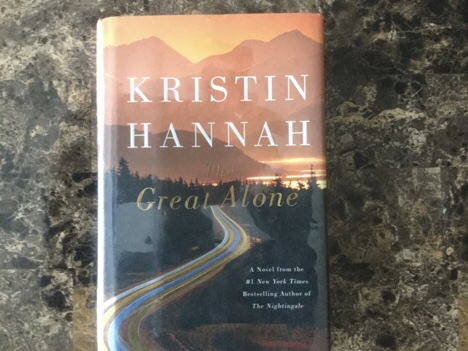
The title of this new novel from the writer of the acclaimed The Nightingale comes from Robert Service’s name for Alaska. Set largely in the 1970s and 80s, with the pioneering families escaping the turmoil of the lower states, like the author’s family, the wild beauty, but also the formidable challenges, of living in the last frontier are on full display. Intertwined with the outer challenges of survival in the harsh unforgiving environment are inner challenges of overcoming nightmares of the Vietnam War, poverty, domestic violence, tragic premature deaths, and adapting to the quirky personalities of their fellow frontiersmen.
The complex plot has many ingenious, unpredictable twists, and some of the characters are realistic, charming, and lovable eccentrics like Large Marge, the black exNew York cop who owns the general store. Others are detestable paranoid recluses preparing for the apocalypse, who cannot adapt to any change in their primitive way of life. The struggle to escape from the abusive violent Vietnam War POW veteran with what would now be called PTSD reminded me of the numerous books, some novels and some biographies, about escape from restrictive religious cults e.g. Tara Westover’s Educated.
Like some of Hannah’s earlier novels (by reputation-I have not read them), the romance between Leni and Matthew descends into Harlequinesque sappiness, that was not a feature at all in The Nightingale. There is also far too much melodramatic emotional self-analysis and introspective pathos here for my taste. At the risk of being accused of gender stereotyping, I note that all the gender-identifiable reviewers who rave about this book on the jacket are female. This is no The Nightingale, a novel that I loved. I prefer the Alaska as portrayed by James Michener in his epic classic by that name.

 The Passionate Reader