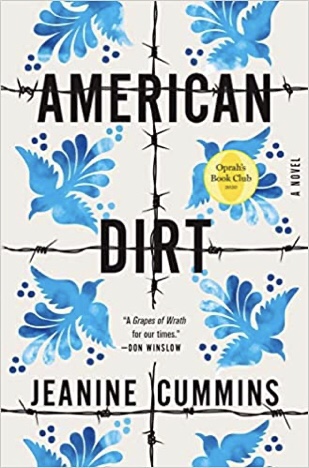
This very modern, much lauded novel details the perilous flight of a mother and her eight year old son from the powerful criminal gang in Acapulco to freedom in Arizona. In the first chapter they just narrowly escape being shot dead at an extended family barbecue, as sixteen members of their family are, all because her journalist husband has dared to expose the gang leader. Griefs, disloyalties, betrayals, cruelties, and untimely deaths abound, but there are also heroic inspired acts of selfless kindness. Profound questions about the ways to follow universal moral imperatives are raised that no armchair philosopher could provide answers to.
The narration is entirely in the third person present tense, rendering a sense of urgency to the main characters’ desperate attempts to survive and reach some kind of security, however precarious. The plot is complex and beautifully integrated yet most readers will have no difficulty keeping the many characters straight. Cummins’ portrayal of the fictional Janeiro, the despicably cruel gang leader and would-be poet reminded me of Hannah Arendt’s depiction of the very real Adolf Eichmann in The Banality of Evil. Frequent Spanish phrases interspersed in the conversations left this linguistically-challenged reader confused at times, but I got accustomed to guessing their meaning from the context.
There are many foreign-born individuals in our midst and until I read this story, I naively seldom thought about how they got here or what hardships they endured along the way. For example, I worked closely with a very talented Mexican liver transplant surgeon in London, Ontario, who now works in Rochester, New York. I never even thought to ask about what challenges he may have faced in getting from Mexico City to Canada and then to the U.S., and can only hope that his journey was nothing like that depicted in this book.
The cruel U.S. treatment of would-be Central American asylum seekers at the southern border, with callous separation of children from their parents, is exposed for what it is- an inhumane violation of basic human rights.
This is not a fun read, but it is an important stark reminder of the plight of those fleeing injustices and cruelty anywhere in the world. The book has been criticized for stereotyping Central American asylum-sealers and the U.S. Border Patrol and Immigration and Customs Enforcement agencies, but, in my opinion, the cruel practices of the latter deserve criticism far more than the book does.

 The Passionate Reader