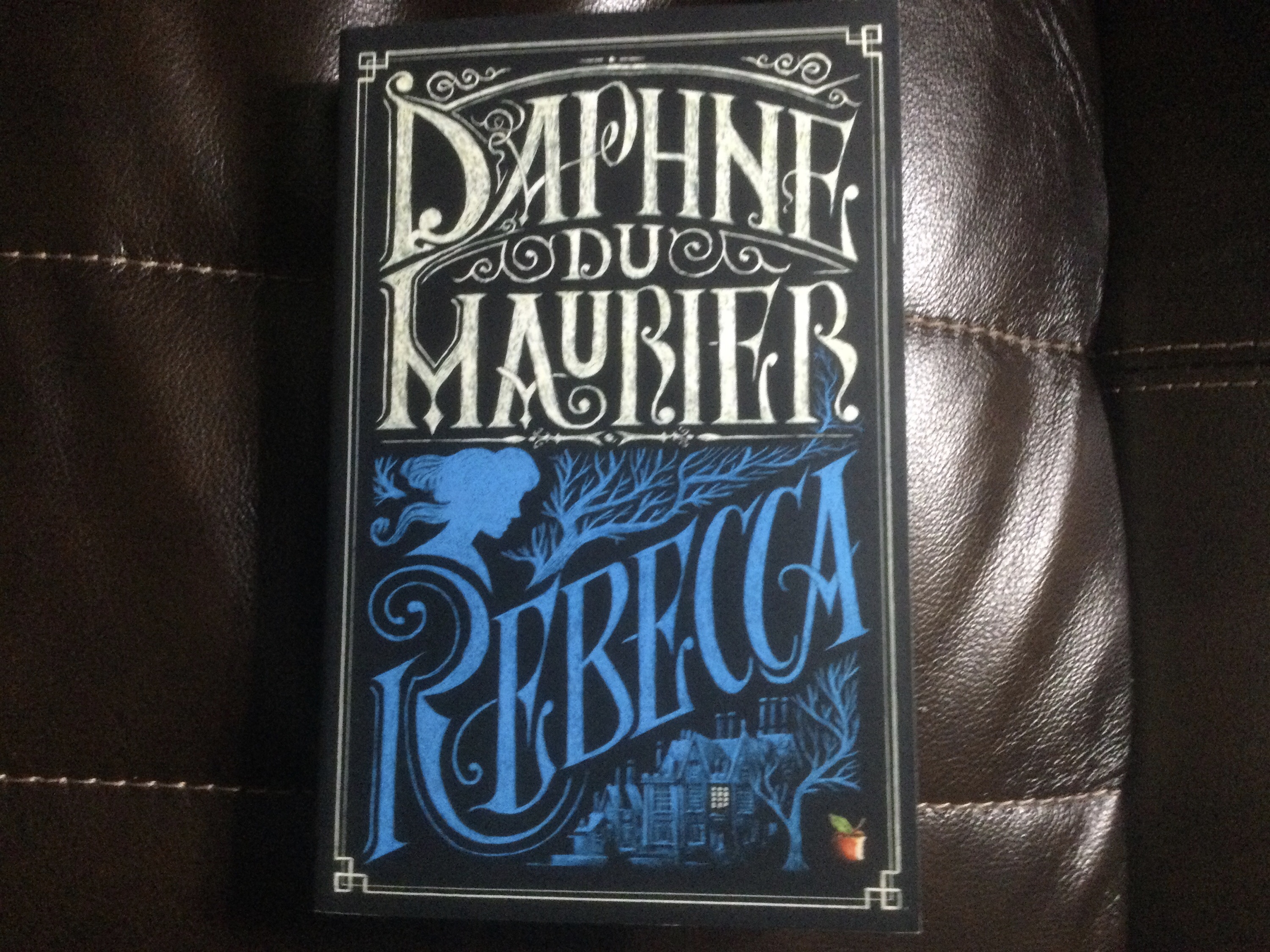
This old classic is on the list for our book club discussion next week, my wife having already discussed it in her book club. It seems everyone except me was intimately familiar with it. It is set largely in western England in the 1920s or 30s and narrated entirely in the first person singular by the insecure, young, shy, second wife of Maxim, who becomes the matron in the rigid hierarchal British aristocrat’s mansion, Manderlay. The detailed character development of the diverse aristocrats and the servants, including the very bossy stern hateful Mrs. Danvers and the no-filter embarrassing sister Beatrice is bound to remind readers of someone they know. The overriding memories of the drowned too-good-to-be-true first wife, Rebecca, pervade every aspect of the daily routine of the mansion. The strict class distinctions, the proscribed gender roles, and the superficiality of the British aristocracy that the author belonged to is subtly mocked in the first half of the story. The narrator who feels like someone with the latter-described imposter syndrome coming from a lower class, struggles to adjust to the expectations, with many challenges from those loyal to and zealously protecting memory of the first wife. There are small hints that the past was not as idyllic as presented and by the halfway mark, the story quite suddenly twists into a mystery with reality intruding into the presentation of what had seemed like a tragic drowning in an otherwise idyllic existence in the Garden of Eden. Suddenly, nothing is as it seemed to be on the surface. I will not give away more of the plot that becomes a complex who-dun-it mystery.
The writing is very British with no explicit description of sexual activities and very Victorian sensibilities, but the sensuality of the characters is a pervading undercurrent. There is little overt humour, but the depiction of the conversation with a demented old lady in the person of Maxim’s grandmother is so timelessly accurate that anyone who has tired to converse with an elderly demented relative will be able to relate to it.
As the second half develops, the plot thickens appreciably and nothing presented in the first half survives unscathed. The tensions between the truth and the fiction are heightened and the interpersonal relations deteriorate as the powers that be come close to disclosing the true story of Rebecca’s death and her continuing influence on the lives of the living.
This is a gem of a story with a vivid depiction of the era in the lives of British aristocrats and a timeless reminder that nothing is as it seems to be on first glance. Although it seemed to drag in places, I enjoyed it immensely.
Thanks, Beth and Vera.

 The Passionate Reader