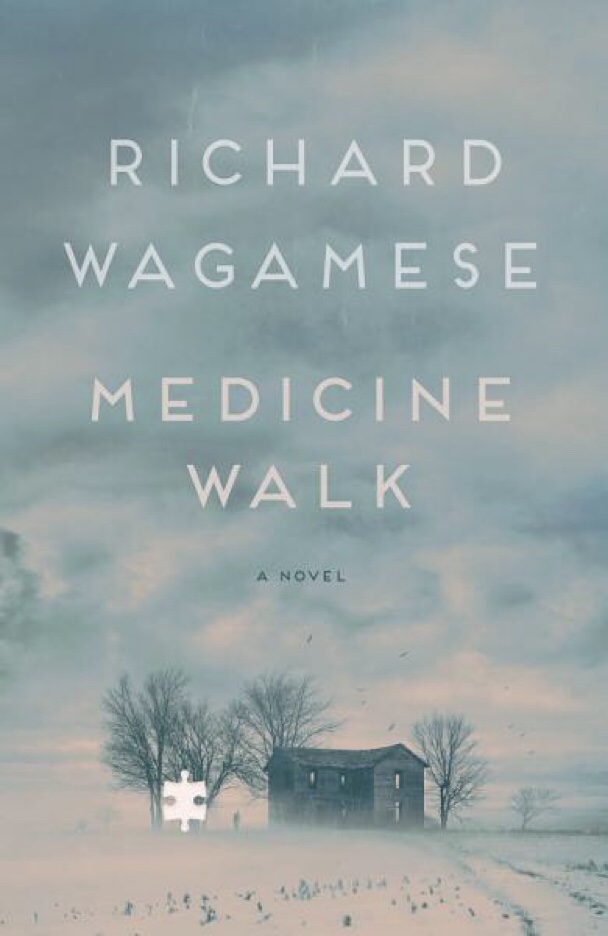
The late Kamloops Native novelist and poet tells a grim story of a Native teen orphan as he attempts to learn about and come to grips with the tragedies of his family’s past, first in bits and pieces from the old farmer who became his surrogate father and later as he reconnects with his dying alcoholic itinerant biological father.
The description of the hard lives of manual labourers in mines, mills and lumber camps and hardscrabble farmers are vivid, and the legendary native skills acquired by living off the land, hunting and fishing, are described in great details that will be hard for urbanites to believe (even though the details of fly casting are a bit off). The ravages of prevalent alcoholism in the mining and logging camps and the pulp-and-paper town’s boarding houses are described in realistic and horrid detail, as are the horrors of the front line action in the Korean War. The extensive dialogue and repartee in the clipped street slang of the illiterate is delightful.
As the youth takes his dying father out into the mountainous B.C.wilderness with the express purpose of reestablishing a father-son relationship before burying him there, the details of the father’s tragic past gradually come out. Nostalgic sentimentality becomes cloying and a vague but nonspecific typically Native spirituality pervades the whole story. The reader is asked to believe that a man who is rapidly deteriorating and intermittently comatose is nevertheless able to recall and relate his past history in hours-long narrative But the author got the details of dying of cirrhosis largely right with intermittent confusion, extreme anorexia and wasting, jaundice, vomiting of blood, and a pervasive disgusting odour (fetor hepaticus), even though it is usually less predictable in timing than as portrayed here. It is not clear how much of the tragic details in this story are based on the author’s first-hand experience, but in the Acknowledgements, he writes of an “ inward journey”, “braving darkness and shadows”, and “long nights of soul searching.”
The end is largely predictable far in advance, and the characters are mostly likeable realistic rogues, but the morbid details become a bit depressing. Enough of sentimental self-examination and guilt- I am looking for something lighter and uplifting as we enter the start of the second year of living with Covid-19.
Thanks, Michèle

 The Passionate Reader