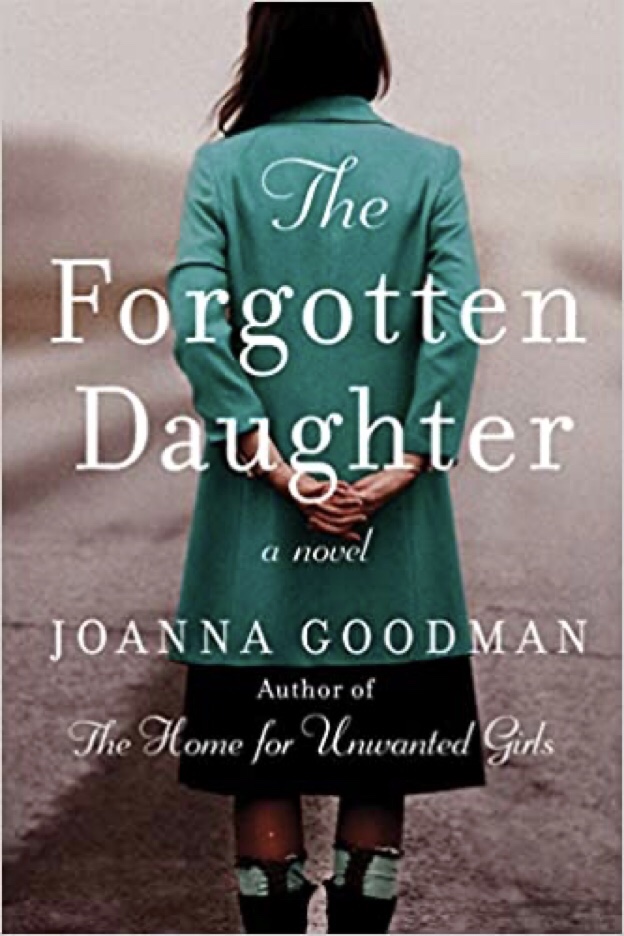
It may be a bit of a stretch to call this novel accurate historical fiction, but there Is a lot of dark Quebec history from the 1950s to 2001, including the October Crisis of 1970 and the sad plight of the “Duplessis orphans.”
The plot is complex, with deeply flawed characters and interesting geographic and cultural details of the Montreal area of the era. The surprisingly sudden eruption of violent confrontations between separatists and federalists is realistic at least as it was presented in the English Canada media that I followed at the time. Irrational religious fervour combined with historical grudges has, throughout history, led to atrocities.
The writing is fluid and engaging with dynamic dialogue. There are, however, weak points. To make the story work, there are a few very unlikely chance meetings, and portrayal of unrealistic guilt and self-incrimination over what-if situations that never happened. I found the time line of Elodie’s troubled life a bit difficult to follow, having not read the earlier Home For Unwanted Girls, that my wife says features her in detail. The length of time the politically opposite young lovers stayed together seems to be a stretch, based, as it seems to be, entirely on animalistic lust.
The Catholic church’s cruel unapologetic grip on every aspect of Quebec society of that era as presented here may be realistic but will not endear the book to devout Catholics. The physicians and politicians who were complicit in condemning the Duplessis orphans to a cruel childhood in mental institutions do not get off much better. Carlton University is described as “a utopian pit stop on the road to the real world” an apt description for all universities.
To be nit-picky, I found one obvious error-“..Bernard’s neck vein pulsing.” Why can novelists seemingly never understand the difference between veins and arteries?
Goodman portrays all of the separatist zealots as poorly educated, chain-smoking, angry, drunk or high on pot and willing to break
laws by smuggling tobacco, booze and drugs across the border.They express strong opinions about subjects they know nothing about. (My late separatist brother-in-law would mostly fit in with them, although not a criminal.) Many of their federalist opponents are not much better, but they are generally a more law-abiding lot. Her bias as an anglophone Quebecker who escaped to Toronto thus seems obvious.
One great quote among many memorable lines: “Love doesn’t use or discriminate against conflicting opinions or ambitions; it does not divide or bully.” This should have been the last sentence in the book, but there are only two more pages.
This is a powerful portrait of a dark aspect of Quebec and Canadian history in fictional form. We need to be reminded of it lest it be repeated.
Thanks, Vera

 The Passionate Reader