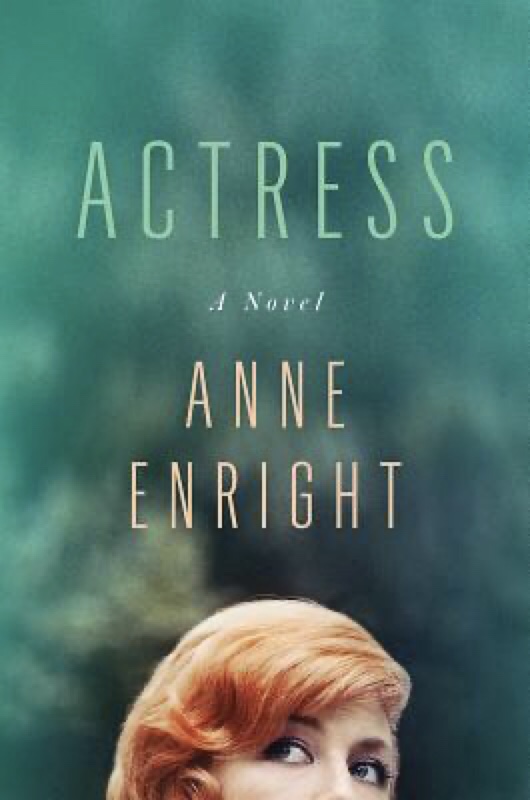
This modern novel by an Irish writer and actress about three generations of English and Irish stars and would-be stars of the stage and screen includes a few real stars and productions. But it’s main strength is the very lyrical description of the lives of people in the peripatetic insecure world of theatre artists all over the world. Set between the 1930s and the1980s, with some reminiscing on the part of the narrator/author from very recently, the yearning for fame, the flexible sexual mores, the superficial nurturing of public images and endorsements, the prevalent, rampant addictions, the recurring episodes of poverty, and the disruption of family and any sense of permanence in the world are described in realistic melodious sentences. The extreme emotional lability, self-doubts, and professional jealousies typical of performing artists are reflected in the flowing prose. The narrator herself illustrates the need for a vivid imagination to work in this field. She imagines long scripts for plays and creates many different images of her unknown father described in magnificent detail.
The life of the Dublin Irish in this era with most conversations conducted in pubs and a population of mostly eccentrics may be stereotyping but makes what little plot there is interesting for the non-Irish reader. The decline of the very eccentric fictional central character who is a vain star of the stage into madness creates a love-hate relationship with the narrator, her bastard daughter. The accommodating local priest, Father Des Folan is colourful. ”He was of course, also a priest, so he was the only shrink in town with absolution on the menu and the clients were queuing out the door.”.
Opposing perspectives of the Bloody Sunday and The Troubles divide the few characters, but are not central to the plot. This is another novel where the plot is overshadowed by the detailed character development. The author addresses a lot of questions directly to the reader or to her fictitious husband as she describes those tumultuous times in Irish history and the ambiguity of many in Dublin as they do or do not take sides.
A good read that will be greatly appreciated by anyone who has ever worked in the field of performing arts. I look forward to the discussion of it in our book club.

 The Passionate Reader