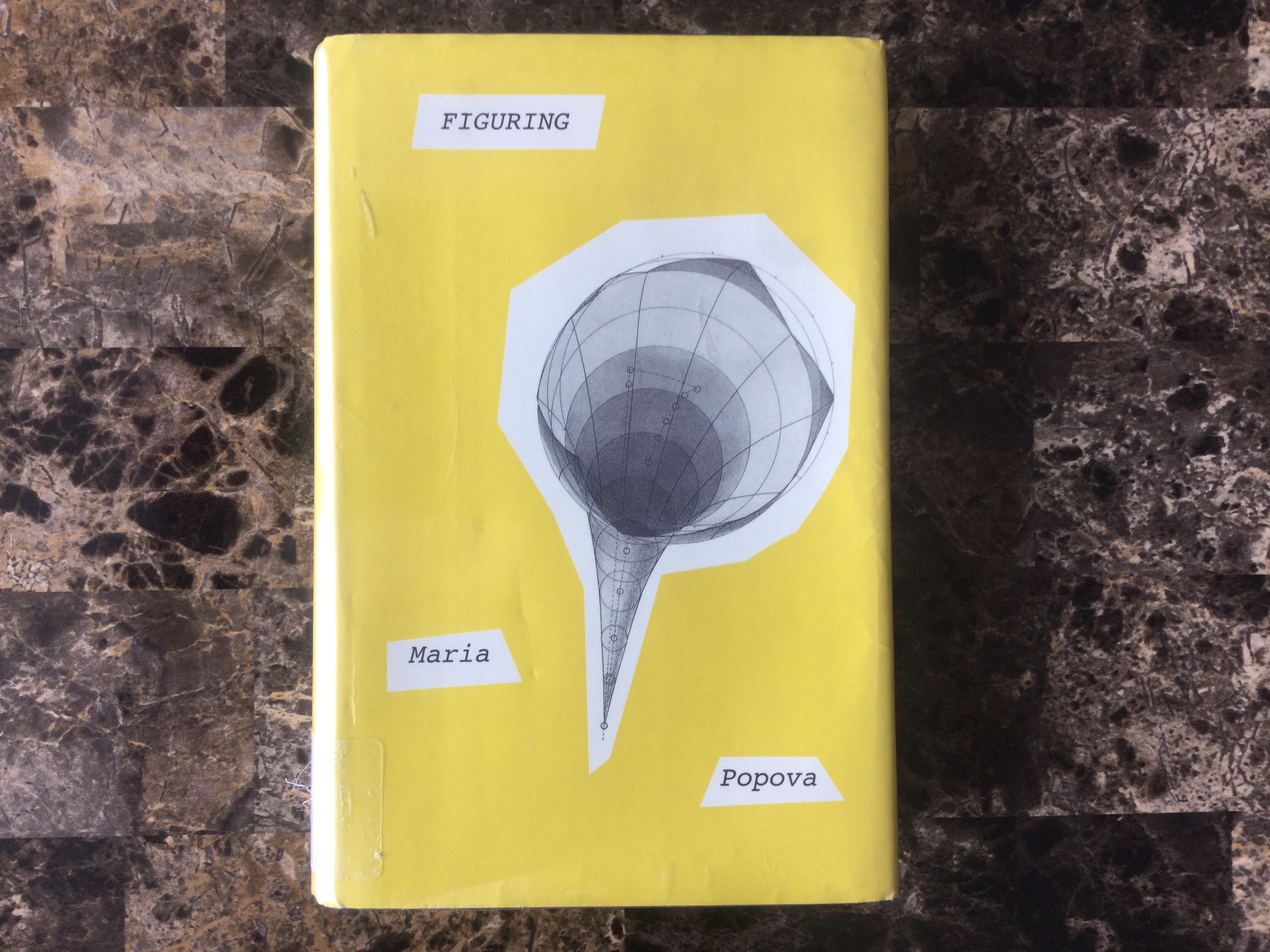
Delineating intimate connections between a great variety of arts and sciences, and the often neglected or forgotten luminaries in diverse fields from poetry to astronomy, the best description of this scholarly book is exquisitely erudite. Cosmic in scale, timelessly relevant information is related from deep research into the lives of lesser known leaders in a great variety of fields, many of them being eccentric misfits not remembered by the mainstream writers of what is considered to be history. “History is not what happened but what survives the shipwrecks of judgment and chance.”
It would help immensely to enjoy this book to be thoroughly familiar with the biographies and works of, in no particular order, Johann Wolfgang Goethe, Lord Byron, Henry David Thoreau, Alexander von Humboldt, Mary Somerville, Elizabeth and Sophia Peabody, Horace Greeley, Elizabeth Barrett Browning, Walt Whitman, George Sands, William Channing, Mary Wollstonecraft, Florence Nightingale, Henry Fox Talbot, John Herschel, Samuel Clements (a.k.a. Mark Twain), Harriet Hosmer, Hans Christian Andersen, Emily Dickinson, Oscar Wilde, Rachael Carson, and Maria Mitchell, she of ‘Battle Hymn Of The Republic’ fame, among others. I suspect that I completely missed much of the buried symbolism, including that of the title.
A question that I cannot answer but someone no doubt can, is why, even allowing for a possible selection bias on the part of the lesbian author, there are a disproportionate number of gay men, bisexuals, and lesbians among the leading lights in all the arts and sciences. At least she spares readers the details of their bodily expression of passions. But the inclusion of dozens of all-consuming gushing poetic love letters between such couples as Nathaniel Hawthorne and Herman Melville, Ralph Waldo Emerson and polyamorous Margaret Fuller, Emily Dickinson and Susan Gilbert and her husband Stan, and Rachael Carson and Dorothy Freeman becomes a bit boring for those of us who are strict heterosexuals. The tangled romantic relationships of the Emile Dickinson household particularly defy and make a mockery of the conventional models of heterosexual monogamy and marriage. It seems that the binary nature of gender was questioned by many long before the modern discussion of it. And it seems to me that there is a little-acknowledged vast difference between limerence, a word coined by Dorothy Tennov to denote the psychological state of being ‘in love’ regardless of the gender of the loved one, often without reciprocal passion, and the purely biologic and selfish innate urge to copulate.
The long-lost habits of keeping diaries, self-directed journals and writing long love letters, extensively quoted here, allow the reader a peek into inner lives of these leaders. “The stories we tell about our own lives, to others but especially to ourselves, we tell in order to make our lives liveable.” The difficulty of truly knowing the inner life of another, related in endless introspective musings by both the author and the subjects, filled with allegories and metaphors is extensively explored.
One needs a broader and deeper education in history, sciences and literature than I ever attained to fully appreciate this tome. And it is not one to read while being distracted by any other activity, such as listening to music; full concentration is needed. But, part history, part science, part art, this is still an enjoyable and educational read.
Thanks, Pat.

 The Passionate Reader