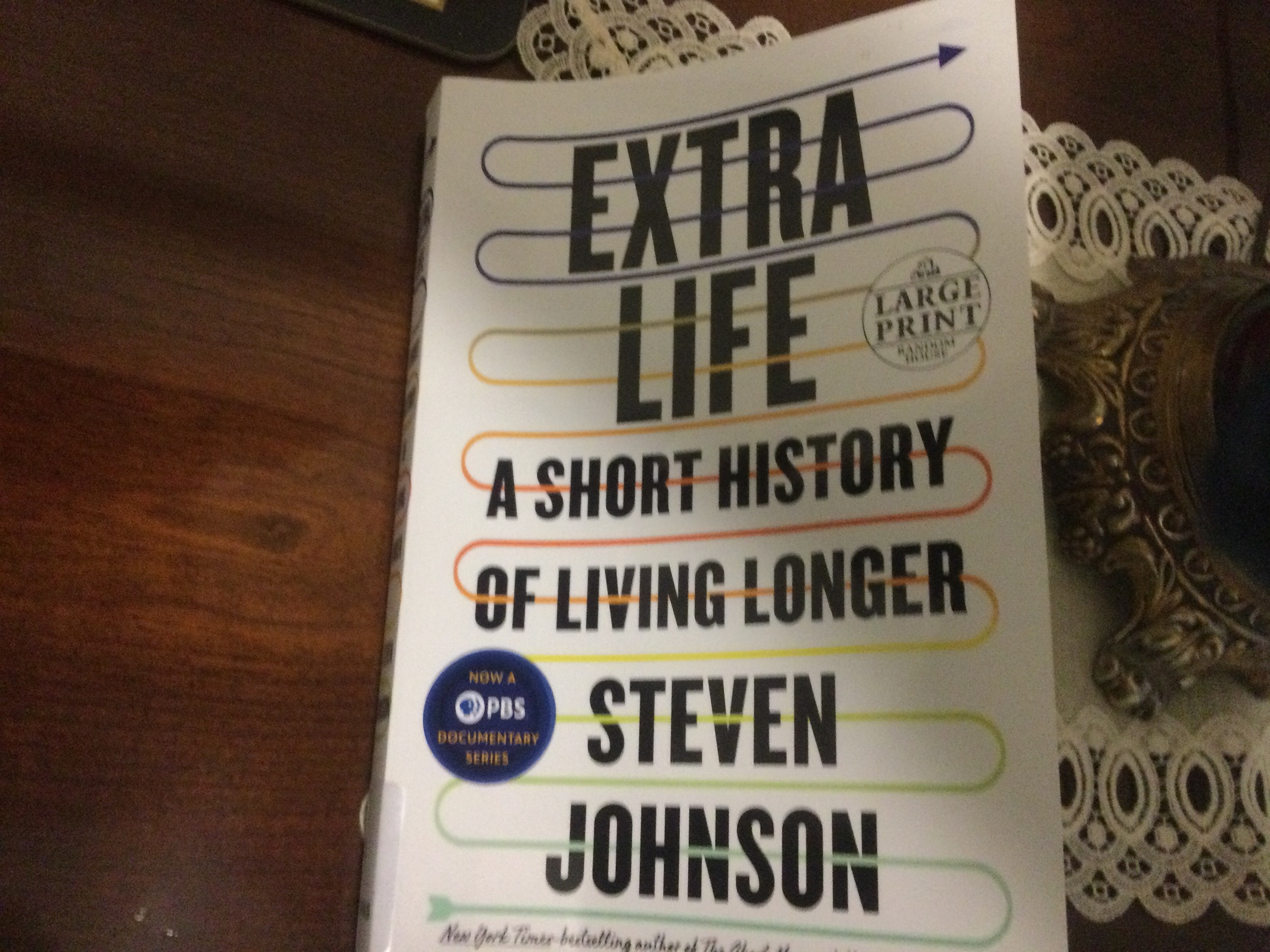
A combination of Demography 101, Epidemiology 101 and a hefty dose of the history of medicine, along with actuarial science, there is a lot of rehashing of historical events and discoveries that will be familiar to most readers. But there are also a lot of insights into the background milieus of those discoveries and the people who seldom made solitary breakthroughs, and a few historical landmarks that I was completely unaware of. Such was the poisonous milk from lower Manhattan cows fed exclusively swill from distilleries in the 1850s, and the adoption of widespread chicken farming for meat rather than for egg production, purely because of a typo in the delivery of 500 rather than 50 chicks to one New Jersey farmer. The unsung heroine Frances Kelsey who first alerted the world to the horrors of thalidomide, the role of penicillin in the European victory in WWII, and the campaigners for seat belts and air bags are all interesting. Such delectable tidbits are what kept me interested.
The 20,000 extra days of life cited over and over are based on changes in actuarial life expectancy at birth over centuries and relate largely to control or elimination of lethal childhood diseases such as polio. The Epilogue is full of wildly speculative predictions about future trends in human longevity that need to be taken with a large dose of skepticism.
An interesting read, but not as good as Johnson’s earlier The Ghost Map, in my estimation.
Thanks,
The NewYorker.

 The Passionate Reader