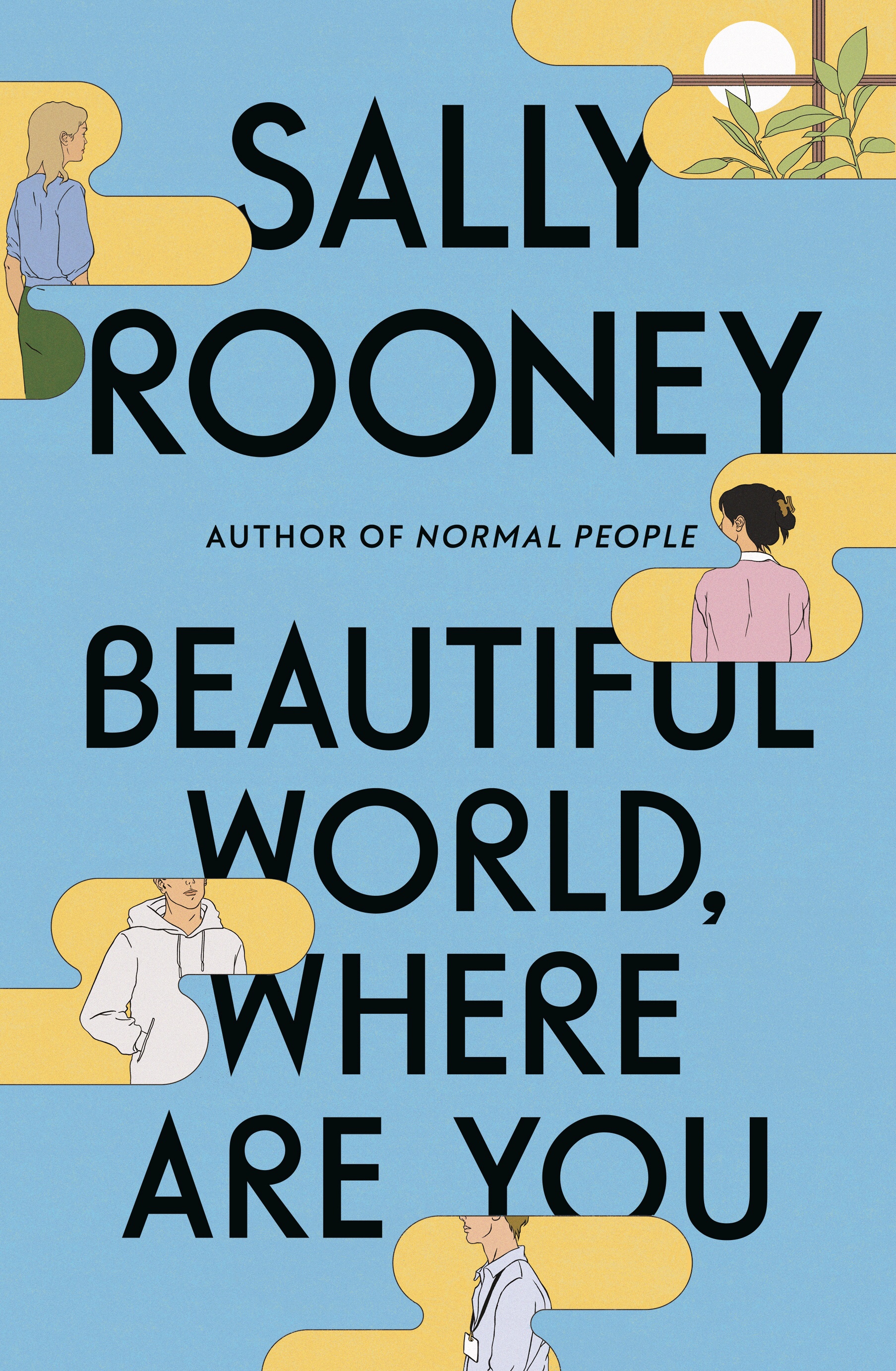
This book is on several online lists of recommended 2021 reads, including The New Yorker, and is the Goodreads fiction choice of the year. In it, the young controversial Marxist Irish novelist’s latest, she seems to enjoy writing about the lives of writers and their relationship to their works. A confusing group of young single Irish characters from various backgrounds, all apparently addicted to cell phone communication, write long email letters to each other musing about their lives and experiences.
In Chapter Six, in a letter to a friend, one novelist muses about the fraught relationship of writers to their writing and to unwanted fame, and about readers delving in to the private lives of authors. The seeking of fame is equated to a form of mental illness as she yearns for anonymity, while obliged to lead a public life to promote her books. This may be the only chapter with any redeeming value.
Other characters include a self-loathing, bisexual, communist novelist who devotes a lot of space in her letters to a childhood friend to an ethereal and ephemeral discourse about the meaning of sex, the polarization of political beliefs, and the absurdity of all forms of religion. The treatment of both politics and religion is superficial and stale.
I seldom start reading a novel without reading to the end, but I made an exception for this one. After reading vivid multi-page descriptions of the pornographic deployment of various combinations of appendages and orifices for the umpteenth time, after twenty of thirty chapters, I gave up and returned this trashy novel to the library. A friend once told me that he never read novels written by women, because they are all obsessed with sex. I am beginning to believe him. And I am becoming less and less trusting of recommendations by literary critics and reviewers.

 The Passionate Reader