First off, I need to express a pet peeve about the design and layout of the hardcover edition which I was gifted for Christmas. Although there are 351 numbered pages, the short stories all start on a recto page, leaving 42 verso pages blank. This may be an effort to make the book seem bigger than it is, but is a waste of paper, likely initiated by the publisher, perhaps with input from Mansbridge. But some trees were killed needlessly to produce this book.
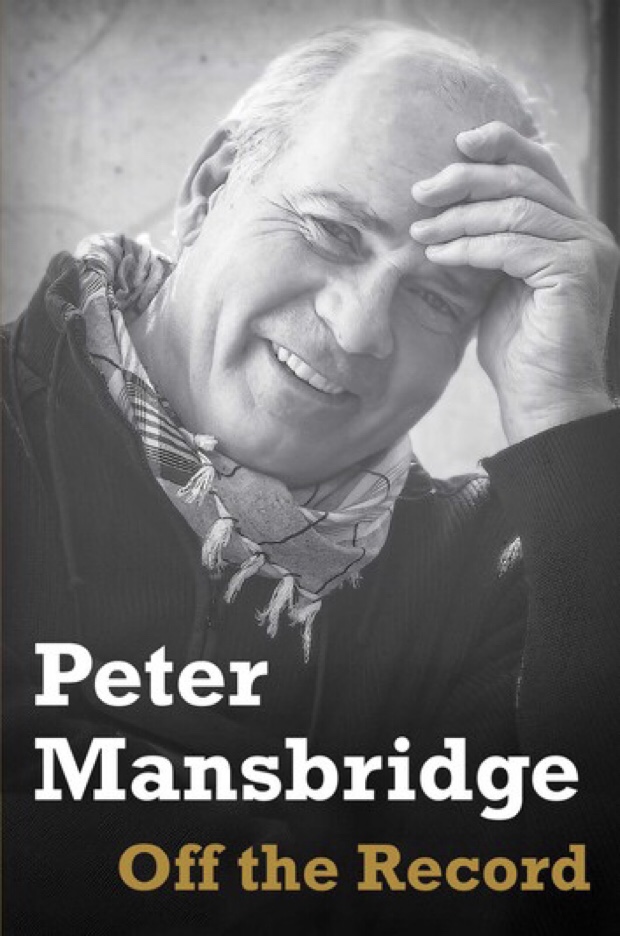
The high school dropout working as a baggage handler for a small regional airline in Churchill, Manitoba, who became the face of Canadian journalism provides rambling accounts of his coverage of major stories for over 30 years, much of it as anchor of the nightly CBC The National from 1988 until 2017.
Dozens of anecdotes provide interesting peeks into the decision-making processes of media organizations, world leaders personalities and social and cultural changes over his long career. Generally balanced in his portrayal of politicians and public figures, he seems to make an exception for Stephen Harper. He leaves little doubt that their relationship was fraught, and he does not hesitate to condemn Donald Trump and his ilk. He praises most of his fellow journalists and discusses the around-the-clock preparedness necessary to do their job well. There a few sprinkles of self-deprecating humour. He glides over the controversies surrounding our nearby Kanata neighbour, Mike Duffy. (You didn’t think he lives in P.E.I., did you?). There is almost nothing about the author’s personal life, other than description of his childhood in Britain and Malaya. His religious beliefs, if he has any, are never mentioned except to state that he is not Catholic, though he is proud of having the pope personally bless his third marriage (to actress Cynthia Dale), the only wife he even mentions.
There is no doubt that Peter Mansbridge is intelligent and conscientious, caring deeply about his adoptive country. He is spirited in his defence of journalistic independence. “Funny what happens when a party comes to power and realizes that the public broadcaster is there to serve the public, not them. ….it really is a public broadcaster, not a state broadcaster.” His deep concerns for the plight of the indigenous people are refreshing.
In spite of weak efforts to project modesty, there is a noticeable odour of egotistical hubris coming out of this book, and a lot of selective name-dropping to impress readers with his contacts with the rich and powerful. He twice mentions that his previous book, Extraordinary Canadians was an instant bestseller.In the latter part of his journalistic career, and in that previous book, I also noted this tendency to play the role of know-it-all commentator rather than interviewer or reporter, often prefacing questions to those he was supposedly interviewing with his own opinions on the subject at hand. But I can’t fault many of his opinions. The small black-and-white photographs scattered throughout the book contributed nothing to this readers enjoyment of it.
I found one factual error. He perpetuates the myth that Jack Layton died of prostate cancer. He died of a cancer of some type, but I vividly recall a skeletal Layton on TV in 2011 emphatically stating that he was cured of prostate cancer and that he had developed a new malignancy of unspecified origin. Where it originated is still a secret ten years later.
Nothing very profound here, but a good read with lots of Canadian and world history, and some interesting stories.
Thanks,
Alana

 The Passionate Reader