First a comment about our William’s Court Book Club 2. We are democratic and ecumenical. We never vote but arrive at a consensus about what books we will discuss, careful to include a variety of genres, and some new as well as some old classics. We do not limit our choices by the length of a book, but we do usually limit them to books available in some library. This one was chosen for us to discuss next month
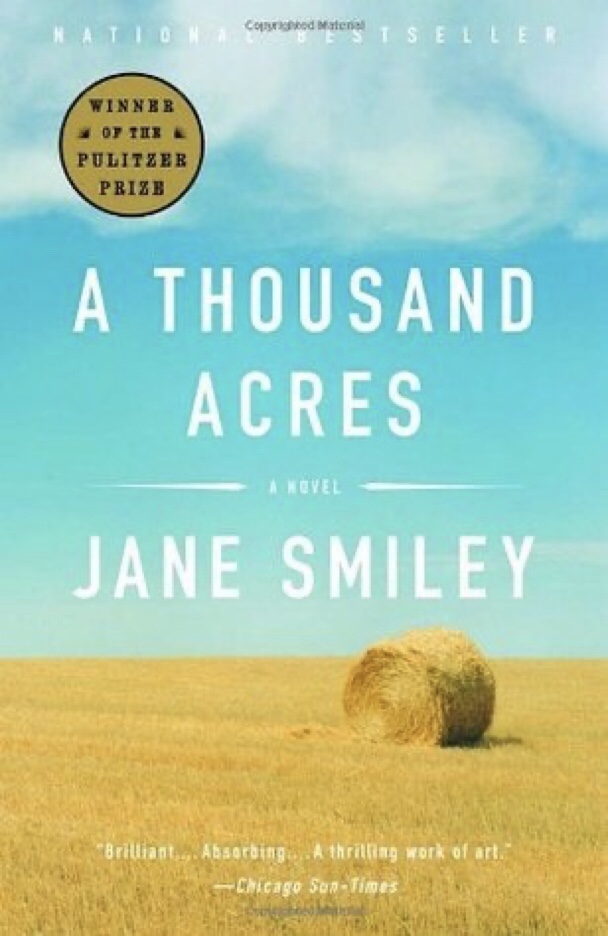
In this early novel from a prodigious Californian, three daughters of a surly demanding and cruel widower farmer are the main characters, along with their husbands, children and a few neighbouring farmers and townsfolk. The habitually miscarrying childless daughter is the narrator. None want to continue the farming business but have no choice as their increasingly demented father bequeaths the farm to them. A restless, hippie pacifist military deserter, the son from an adjacent farm, returns to the community after an extended sojourn in Vancouver as a draft dodger to avoid serving in Vietnam, and stirs up rivalries and discord, serially seducing the unhappy frustrated farm wives. The sex is described tastefully.
The dark side of this story is the extreme hostility that divides the family to the point of plotting murders, and the allegations of sexual abuse. Rosie bitterly recalls repeated incestuous raping of both herself and her sister, Ginny, in their teens, while Ginny has apparently completely suppressed all memories of that trauma. Modern psychology papers are rife with studies of suppressed memories, but also of recall of memories of events that never happened. I suspect these phenomena, at least in their extreme forms, are more often discussed than experienced. Which woman here is to believed? The description of the man involved leaves little doubt about which the author expects the reader to believe.
The plot is imaginative but realistic and unpredictable, echoing some features of a mad King Lear and his three daughters.
The first part of this story, set in rural Iowa in the 1960s and 70s brought back so many memories of my farm childhood in Ontario that I thoroughly enjoyed it, even though some of those memories were not enjoyable. The strict gender role delineations with the women expected to clean house, garden, sew clothes, cook, serve meals on a rigid schedule, (and produce babies). The Farmall, International Harvester and John Deere tractors, plows, manure spreaders. The subtle and sometimes not so subtle competition between neighbouring farmers to outdo each other with better crops, bigger machinery, and larger herds. The competitive late evening Monopoly games at the kitchen table with cousins and siblings. The trips to town to the rented cold storage locker, the Farmer’s Co-op store for feed and seed, and the grocery store. The corporal punishment doled out liberally. The tile drainage of wet fields. (My father decided to put clay tile drains into much of the 200 acre farm in October, 1954, just as the remnants of Hurricane Hazel dumped prodigious amounts of rain on the fields. The hired ditching machine and tractors were mired in the mud for weeks. I was blissfully naive and never was aware of the precarious farm finances, the hushed-up illicit trysts, the resentments, and the sometimes bitter rivalries but they were undoubtedly there, even among close relatives. I never had to deal with alcoholic relatives, and was only vaguely aware of blatant favouritism in parents. The evolution from impoverished family farms to huge corporate factory farms described late in this tale (at a time after had I escaped to city life) is made to seem like a tragic loss of a way of life. Of their cantankerous father, one daughter remarks to another: “He’s a farmer, Caroline. That is a personality structure that supersedes every childhood influence.”
Thanks,
Din.

 The Passionate Reader