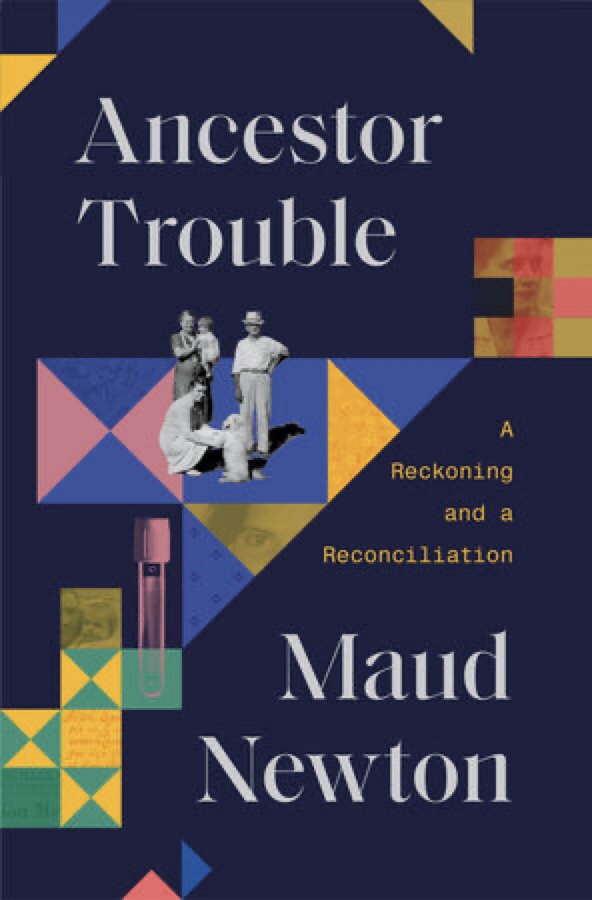
First a note about page numbers in various versions of books. The e book of this one is listed as 1012 pages, but that includes 344 that are not text, and they are really only half pages so I imagine the real number is about 322. The Libby Library says I took 17 hours and 13 minute to read it.(It seemed longer.)
No novelist could ever conjure up a family as dysfunctional as the author alleges her Southern U.S. extensive clan was and still is. This family is replete with rabid racists, religious extremists, people with schizophrenia (in keeping with Weijun Wang’s advice in The Collected Schizophrenia, I’ll avoid using the derogatory word schizophrenic as a noun), criminals, misogynists, eugenicists, sexual predators, pedophiles, and suicidal depressives. No one, including the author, could remotely be considered entirely sane and rational at least by modern psychiatric standards. But then again, could anyone? This leads the author to research and muse extensively about the age-old dilemma of nature vs nurture, from the views of Aristotle to those of current day geneticists and philosophers.
The discussion on epigenetics is up-to-date, detailed and the best exploration of all the uncertainties and controversies surrounding its importance and heritability that I have read. The hazards and false claims of connections between specific genotypes and character traits and disease susceptibility are discussed in detail.
There is a thorough discussion of the very long history of genealogical searches, and their ties to ancestor worship in many ancient and some modern cultures. The very confusing chapter on her searches on such sites as 23andMe and AncestryDNA exposes a thriving industry preying on people’s desire for connection to their remote ancestors and assigning them to dubious arbitrary geographic groupings. Many of us tote around some Neanderthal genes and that is, after all, a compliment as 60,000 years ago they were at least as intelligent as Homo sapiens, and perhaps more so.
In spite of the family history, or perhaps because of it, in 2019 the Brooklyn author built an altar to worship and pray for her long-dead ancestors and has what can only be described as harmless schizophrenic delusions and hallucinations as she connects with ancestors from the first century A.D. At least that is the label modern western psychiatrists with their DSM-V bibles would apply.
The assertion that “In terms of DNA, we are no more related to most of our ancestors than we are to people around us on the train or at a baseball game.” Is seemingly contradicted a few pages later when she acknowledges after discussing some relatives “These are my relatives, Of course, I am crazy.”.
This story is wordy with far too much speculations about the lives of relative she knew only from searches in various archives going back to the 1600s. As you can imagine, the names, activities and relationships of relatives over four centuries are impossible to keep straight and of borderline importance to the story. Her drunken grandfather’s ten short marriages and divorces and many failed enterprises take up more than 30 pages in the paper book or double that in the ebook. And the details of every trinket and piece of jewelry she inherited from distant relatives will interest few readers, although there may be some mystic symbolism in rings.
This is really two books in one: a scholarly overview of modern concepts of genetics and connectedness and a rambling, boring, introspective account of her own troubled family history, (minus any details of her own marriage and offspring.)
I have resisted learning about distant long-dead relatives lest they include, for example, horse thieves, bank robbers, and illegitimate children, perhaps from slave women.
⭐️⭐️
Thanks,
The Economist.

 The Passionate Reader