Born into a family of wealthy, privileged, American doctors, the late author of this autobiography was educated in classics, languages, and philosophy at Cambridge and undergraduate medicine at Yale. He married a fellow Eli, an internist now at UCLA, then pursued a career in academic neurosurgery at Stanford.
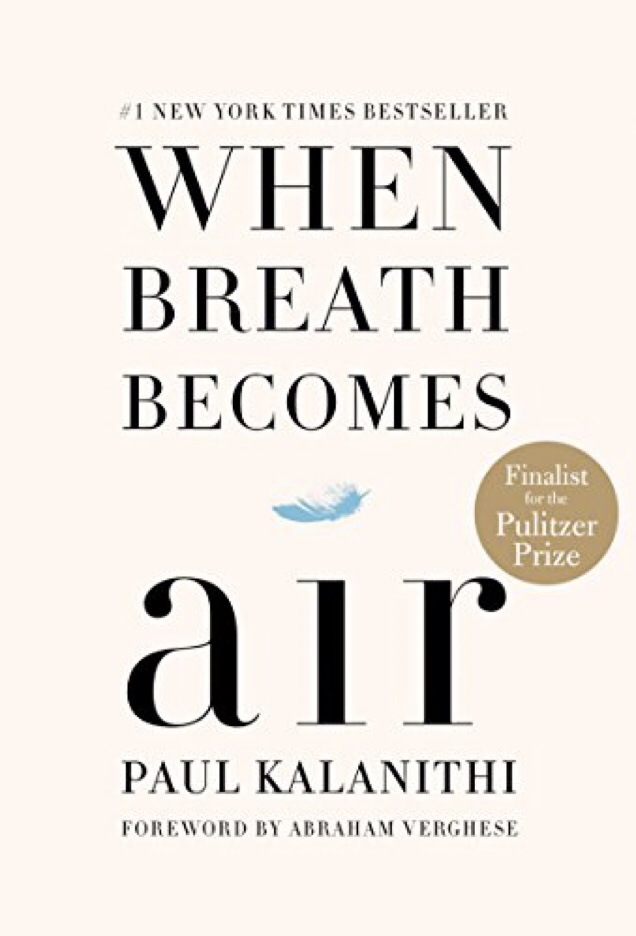
In Part 2 he waxes eloquently philosophical as he contemplates his own imminent death. Quoting poets and philosophers, he rejects determinism and, despite his experience seems to endorse the existence of a mind, or soul separate from the body. Paradoxically, at least from my viewpoint, he abandons scientific atheism and returns to a fervent if ephemeral Christianity in spite of the raw deal any hypothetical deity has dealt him, noting the limitations of what little meaning to life science can impart. However he never expresses any view about an afterlife. Unlike the advice given by fellow neurosurgeon Henry Marsh in Admissions, the author pursued every possible form of treatment even when his quality of life was awful and there was no hope of that improving. It seems his grasping-at-straws approach is more in line with that of Sanjay Gupta in Cheating Death. At one point near the end to his life his well-connected family had doctors from six different specialities caring for him. But it is never easy to know exactly when it is time to give up. Medical literature is rife with discussions of ‘futility’. He died in March, 2015, after writing the main part of this book leaving, one daughter, a toddler.
Before he outlines his privileged early life in Part 1, both a Forward by fellow Stanford physician Abraham Verghese (he of Cutting For Stone fame)and a Prologue by the author disclose that he was diagnosed with incurable metastatic lung cancer at age 36, just as he is finishing his training. There is just a whiff of self- congratulatory arrogance in Part 1 as he makes the case for neurosurgery being the noblest of all professions. He describes some of the life and death decisions he has to make, the intricacies of the operations, and dilemmas faced daily by brain surgeons-and the hard work and long hours required to reach such a pinnacle. But, apart from palliative care and transplant specialists, neurosurgeons do deal with death more often than most docs.
The epilogue written by his devoted wife is pathos personified and profiles him as the pinnacle of perfection. Perhaps that is how she remembers him, in spite of some mention earlier of marital difficulties. I am reminded of a quip from Garrison Keillor: “They say such kind things at one’s funeral that I am sorry I will miss mine by a few days.”
One memorable quote: “Humans are organisms, subject to physical laws, including, alas, the one that says entropy always increases. Diseases are molecules misbehaving…”
The writing is fluid and poetic. Hardly surprisingly, there is little humour and some scenes described are a bit melodramatic, at least for my taste. But this is a quite enjoyable read in spite of the morbid subject matter.
⭐️⭐️⭐️
Thanks, Michele.

 The Passionate Reader