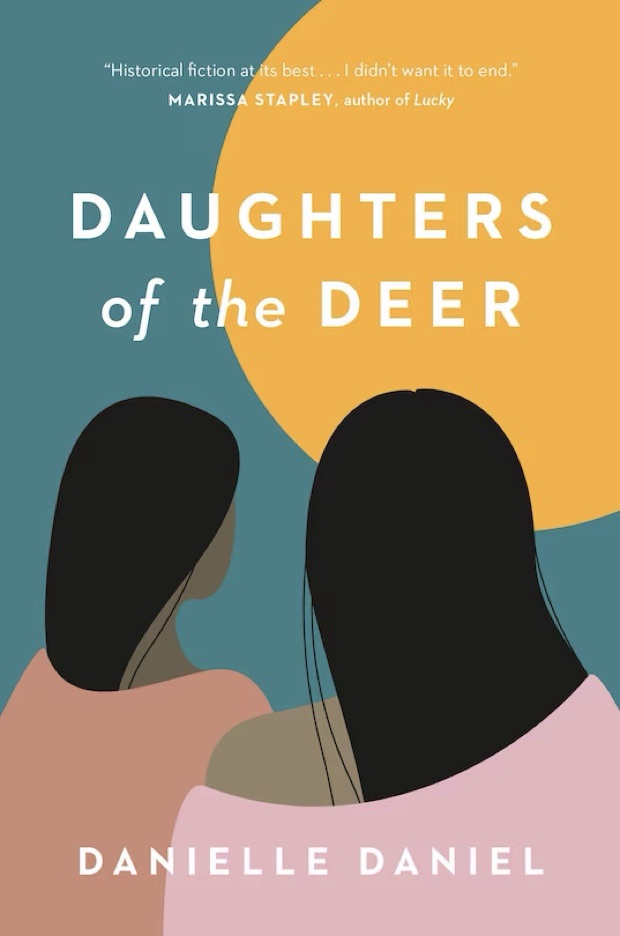
This book is the choice for this month’s Western University Alumni Book Club, with its peculiar format of online discussion in sections.
Maria, a widow of the small Weakanari tribe, a part of the larger Algonkin nation, near Trois Rivière in the late 1600s is the narrator of most of this interesting native tale although some is third person singular prose and some is mixed. At one point, she appears to be the narrator, but then refers to Maria in the third person singular. It is described as historical fiction, but could possibly also be considered as embellished memoir, as the family tree which is included at the end shows that the author is the granddaughter of Maria. Maria is reluctantly remarried to a French soldier for their protection from the raiding Iroquois. The all-encompassing dictates of the Catholic Church and Jesuit priests ensures that the native spiritual practices are eliminated and their babies are baptized. She reflects my thoughts exactly when she states “ I cannot imagine how a god who is all-knowing would allow babies to burn in hell for eternity because they are not baptized.” The white French also brought what I gather was measles, which proved deadly to the natives. After a winter of near-starvation, further encounters with French culture and religion and the death of her beloved Chief, Maria and her family feel isolated, friendless and lonely and reluctantly decide to leave the tribe and resettle on a 12 acre seigneurie farm in southwestern Quebec, near the junction of the Richelieu and the St. Lawrence rivers near Ville Marie. A gay couple and a lesbian couple are readily befriended and welcomed by the natives but shunned and condemned by the French Catholics.
Robin Wall Kimmerer’s advice in Braiding Sweetgrass to take from nature only what you need, to give back what you can to ensure sustainability, and to express gratitude, distinctly native creeds, is repeated here.
Bizarre dreams of talking animals and magical travels mixed with pantheism, belief in an afterlife, and purported cures for various ailments from natural products are the features of this book that I have the most trouble appreciating and understanding. At times, Maria’s daughter appears to be hallucinating, seeing her dead lover who has suicided. There was no recourse for the women if their husband dies or leaves them, as they had no property rights and are deemed to be property of their white husbands. The introduction of alcohol and its effects on the native culture is shown to be devastating.
A politically correct interesting well written tale that I quite enjoyed with some reservations. I await discussion from others of the online book club.
7/10
Thanks, Western Alumni Book Club.

 The Passionate Reader