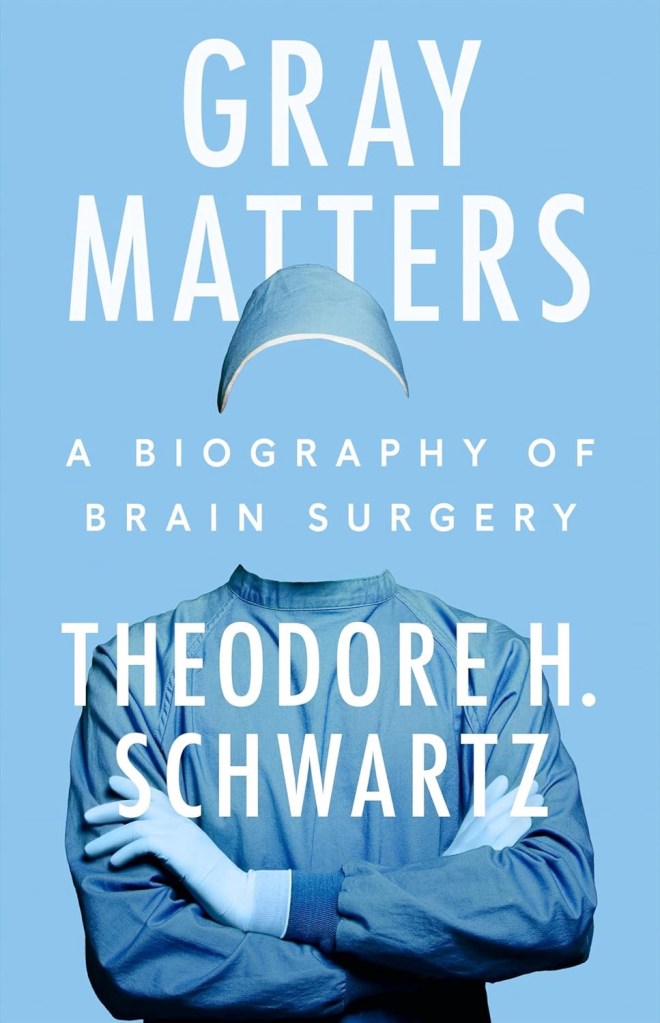
A Cornell Weil professor of Neurosurgery in Manhattan details much of what is known about the working of the human brain and exactly how neurosurgeons try to help when it goes awry, whether from trauma or natural causes.
The neuroanatomy, the surgeon’s instruments and the site of pathology are laid out in helpful diagrahms that are generally readily understandable. The examples of famous people with major problems including JFK, RFK, Eva Peron, Phineas Gage, Rosemary Kennedy, Ted Kennedy, John McCain and a variety of famous neurosurgeons make the stories real. Late in the book, the rapidly developing field of brain computer interfaces is subjected to some rather far-out speculation that may well become a common reality.
Early on the author seems to be quite humble, but by half way through, he cannot resist touting his role in leading innovations and his sacrifices in getting to what he clearly considers to be the pinnacle of the pinnacle of medical professionals. He criticizes some collegues in the luxury world of New York medicine where second a third opinions seems to be the norm. He blatantly interfered with the local hospital routine in dealing with his father’s illness. A humble neurosurgeon may be an oxymoron, but I tire quickly of medical specialists, mostly surgeons, blowing their own horn in books that they write.
He seems to lack some pretty basic knowledge. Sap runs up a tree trunk not down it. The test for shifting dullness is used to to detect free fluid in the abdomen, not for appendicitis.
For the amateur trying to understand something about how the brain works, this is a good read.
3.5/5
Thanks, The Economist.

 The Passionate Reader