A long recent analysis of the book and discussion with McEwan in The Atlantic drew my attention to this, his latest novel.
Poet, talented musician, and restless manual labourer Roland Blaines and his son, Lawrence are principle characters in this British and German tale. It begins in 1986 when Roland’s wife Alissa leaves them to become a famous novelist. (A subtle underling theme throughout concerns the inherent conflict of highly ambitious professionals between achieving fame and advancing in a career and the inevitable sacrifices one has to make to properly raise children.) But the story then reaches back several decades and forwards to mid 2021. In his youth, Roland, like McEwan, is sent by his military family in Tripoli to a strict English boys boarding school in Ipswich, which makes me wonder how much of the rest of the story tale is also autobiographical. Later, Roland also works to free a East German couple and their two girls from the tyrannical punishment of the Stasi for saying something intolerable, and particularly grieves over the punishment of the children.
Roland’s criminal seduction at age 14 by his female piano teacher, Miriam, (hence the title) has lasting long unrecognized psychic effects that make him into a sex-obsessed misfit who can never find satisfaction in other activities or with other women, and she is portrayed as a very manipulative, controlling nymphomaniac.The description of the many sexual encounters is unnecessarily pornographic and the frequency of their gymnastic sex is a also bit unrealistic. Exploitation of children and their vulnerability is a recurring theme in McEwan’s novels and made me wonder if it is also reflects his personal experience. (The Atlantic article refers to this book as his anti-autobiography.)
Roland’s muddled bemused understanding of the modern physics of time, space, light, matter, gravity, quantum mechanics, wave theory, the alternate or multiple universes theory, and the thought experiment known as Shrodinger’s cat reflect my own limited comprehension of such complexities.
The slow painful death from cancer of Roland’s late wife is described with too much sentimentality for my liking but it also constitutes a passionate and compelling plea for legalizing medical assistance in dying. The deathly fight between Roland and her ex over where to scatter her ashes is entertaining and imaginative.
The fluid engaging writing rescues this book from any risk of boring readers. It includes memorable descriptions from the culture, history, and customs of 1950s including the rigid rules of British boarding schools, being at Checkpoint Charlie and the Brandenburg Gate when the Berlin Wall fell, the fear gripping the world during the Cuban missile crisis and the Chernobyl meltdown, Thatcherism, but also overly vivid descriptions of the many sexual encounters of the characters. Some of McEwan known atheistic nihilism appears in Roland’s musings. Roland “….”steps out of ordinary existence to be reminded…that he was an insignificant being on a giant rock rolling eastward at one thousand miles per hour as it hurtled through the emptiness among the remote indifferent stars.” Onhuman existence: “How easy it was to drift through an unchosen life in a succession of reactions to events.” Of the views of children in the 1950’s: “ They were not beings in their own right….transient proto-humans endlessly, year after year in the graceless act of becoming.” Roland is slow to acknowledge his mother’s descent into dementia until he discovers a bar of soap in her refrigerator and the decline thereafter is described in realistic detail. Her surprising activities during WWll is revealed only after her death. Roland’s bleak assessment of the current world situation in the last chapter hints at a future book about dystopian 22nd century.
The convoluted story includes the overused tropes of writing about novelists and novels within novels, and includes discussion of several dozen novels and old music pieces, which seems like a kind attempt of the author to prove that he belongs to the literati and intelligentsia. There is at least one blatant anatomical error: “Her irises were pinpricks.”
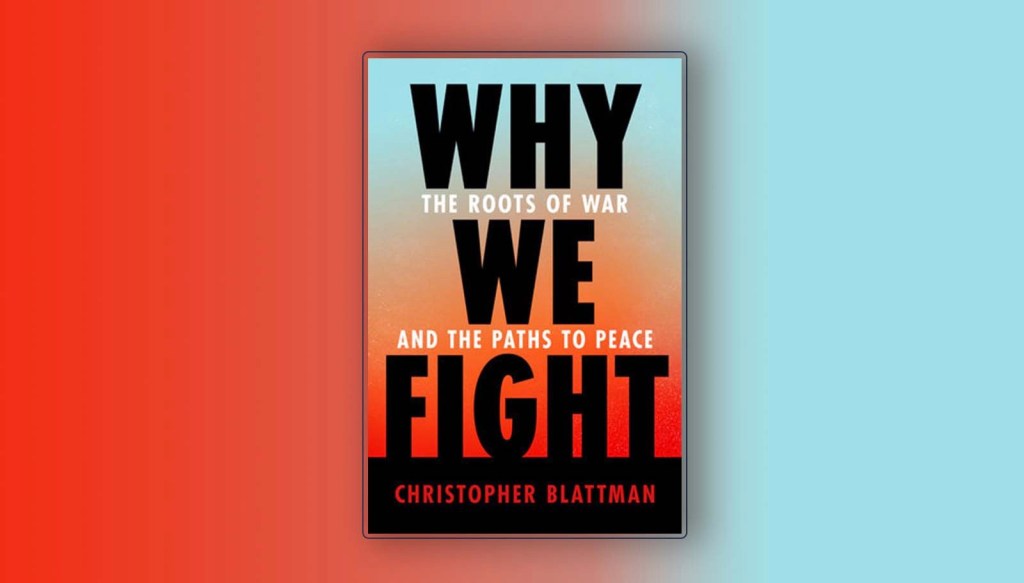
In the Introduction this explanted Canadian professor of Economics and Political Scince at the University of Chicago defines war very differently than does Richard Overy in Blood and Ruins. For him, war is any prolonged, violent, conflict between groups of people whether they be nations, religious sects, or Chicago street drug gangs.
In part I, he lists five factors which he sees as contributing to the likelihood of war- unchecked interests, intangible incentives, uncertainty, commitment problems, and misperceptions. Some of these rather fuzzy concepts are clarified by numerous examples from wars throughout history, by his observations from everyday life experiences, and from social science studies. The latter are often limited by inclusion of only unrepresentative undergraduate university students as subjects. His pie diagrams of two rival groups with a shifting bargaining space between them is used extensively but works best as a concept when there is rivalry only between two groups.
Chapter 5, entitled Committment Problems, purports to explain the reasons for the Peleponesian War (along with a very confusing map), WWI, genocides, the American invasion of Iraq, and the long Columbian civil war. It coveys a lot of factual information but I found it also vague and confusing.
Part II, titled The Paths To Peace, also comprises five chapters, discussing interdependence, checks and balances, rules and enforcement, interventions, and wayward paths to war and peace. In the latter, some myths about both the causes and the supposed benefits of war are exposed. The assertion that “….the solution to world peace is universal cognitive behavioural therapy.” seems like a gross oversimplification.
The concluding chapter titled The Peacemaking Engineer is composed of trite Ten Commandments for everyone on how to contribute in some small way to world peace that reads like common sense, which seems to be an uncommon commodity in the world of politics.
I am ambivalent about recommending this book for the general public but it will be of value to international diplomats and negotiators. There are interesting historical facts from around the world and some fresh concepts and perspectives. But there are also long barely relevant diversions such as the history of Henry VIII’s successors in an attempt to answer the question of whether women leaders are more or less bellicose than men- with the conclusion that we do not know. Almost none of the wars and potential wars he discusses are current such as that in Ukraine and the tension between America and China over Taiwan. And the writing style is unimaginative and bland; it is also much too wordy, and humourless.
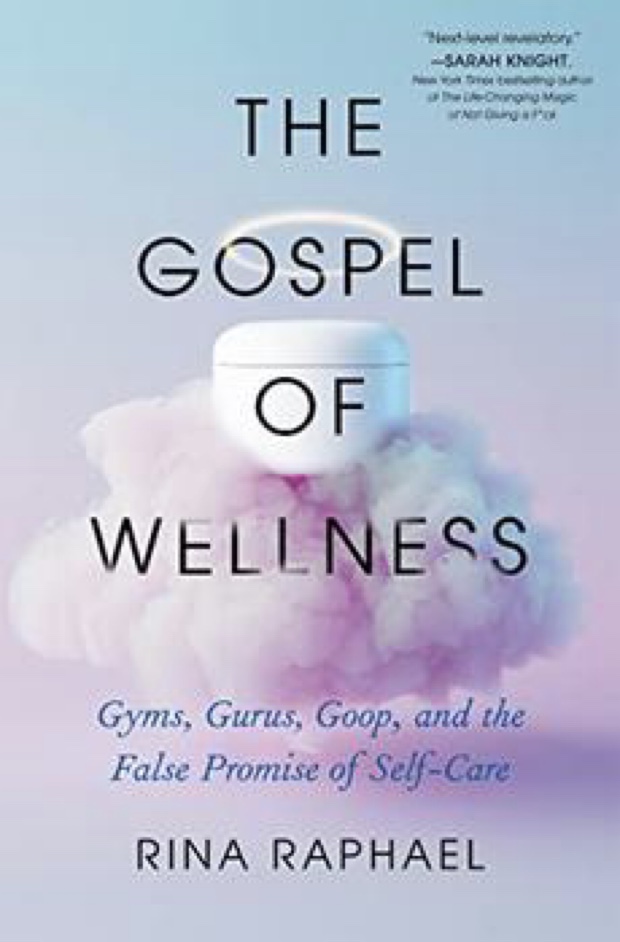
Almost exclusively addressing the part of the huge fitness industry aimed for women, this begins as a negative rant about what the author considers to be the misdirected modern trends in self-care and relieving stress, from yoga in all of its forms to jogging and meditation, not that these are harmful but because they are only partial solutions to underlying deep rooted uniquely American societal problems.
.
Exaggerating the stresses imposed on of modern young American women’s lives, Chapter 1 has a whining personal negative tone with almost no proffered solutions and a distinctly man-blaming undercurrent. It also conveys a anti-capitalist hint about the underlying societal causes of workplace stress.
Chapter 2 delivers an equally negative but more logically argued assessment of the multibillion dollar diet and weight control industry, largely promoted by market specialists with no nutrition expertise or celebrities with expertise limited to self-promotion. The unscientific body mass index comes in for justified scorn, based as it is on limited old data from studies of white adult males.
Chapter 3 focuses first on the huge recent industry devoted to looking after your skin with a huge array of products, then switches to express the many ambiguities and the false dichotomy between natural and chemical products. The author does not doubt the need for almost any skin care products, as does James Hamblyn in Clean.
In Gym as Church, details of the limitations of the entrepreneurial business model of charismatic stars such as Oprah of SoulCycle, pastors of exercise believers, strengthening faith muscles and replacing the older roles of religious communities are exposed. There are limits to how much exercise and meditation clans can relieve the loneliness of modern American society detailed in Robert Putman’s Bowling Alone, filled in the past by faith groups and institutions like the Women’s Institute in rural Canada, Britain, and South Africa (but not the U.S.A.)
Goop conferences, Gwyneth Paltrow and the huge unregulated alternative medicine industry get an uncritical hearing in A Plea to Be Heard, even as some of the practices are shown to be bizarre, ludicrously expensive, and totally unproven or even harmful. Their success is based on clever, but lucrative marketing and dissatisfaction with traditional medicine, more than any scientific evidence,(and on a regulatory failure to restrict false advertising). Voodoo witchcraft of rose quartz crystals under the hardwood floor seems harmless by comparison, even if a waste of money and resources. But the trashing of traditional medicine as a paternalistic, uncaring, misogynistic, male domain seems a little overdone, as now more than 50% of medical school students in the U. S. identify as female as do 37% of their practicing physicians. The vast gap in knowledge, research funding, and standards development between men and women is attributed solely to gender bias in the medical establishment, without acknowledging the unique challenges that potential pregnancy, pregnancy, cyclic hormone fluctuations, birth trauma, and lactation presents to those trying to design proper scientific trials.
The Nutritionmania chapter provides the best, most accurate, balanced information in the whole book, in my opinion. Ancel Keys in the 1950s probably did more than anyone else to throw confusion into the world of nutritional recommendations, and his advice remains influential. The resulting uncertainty opened the door for Big Food’s $14 billion advertising budgets and popular stars such as Vani Hari (Food Babe) with no nutritional science background to further pseudoscientific eating habits such as irrational avoidance of gluten by people without celiac disease and the shunning of GMO foods. For the huge supplements and health food industry, such terms as “clinically proven”, boosts, supports, enhances, renews, rebuilds, revitalizes, rejuvenates, and restores are exposed for what they are- meaningless buzz words but very effective marketing tools that prey on grocery shopper’s anxieties.
The chapter on the burgeoning new spirituality discusses the phenomenon of mostly young well-off white American women who feel unfulfilled indulging themselves from a menu of meditations, astrology, reiki energy cures, Christian Science, alternative medicine, and selective bits and pieces of traditional religions along with visits to psychics, mystics, and “Manifestation experts”. This must lead to fragmentation of societal cohesion and deepening of a selfish inner focus, as the author acknowledges. For me, these practices seem as zany as outhouse flies. But I do not have a magic formula to get people to become less self-centred and to refocus on bigger issues. The same shaming marketing strategies and the same self-focus outcomes apply to the numerous Fitbit-addicted “fitfluencers” providing “fitspirarion” toward deliberately set unattainable goals. Most of these are celebrities with no expertise in exercise physiology, but are expert at doling out a kind of toxic positivity of expectations with simplistic reductionist advice.
Some of the unscientific flashy “bio hacking” trends such as “atmospheric cell training” to “massage your cells from the inside out” seem totally whacky to me, but as Raphael points out, do give people a perception of control which has its own scientifically proven benefits. But do not count on these to delay your encounter with the Grim Reaper, and they potentially can delay or deny use of proven treatments that do just that.
Raphael points out in the closing chapters that scientist have historically done a very poor job of communicating facts about fitness and health and that that deficit leaves the advertisers and self promoting quacks free to fill the gap with nonsense. That needs to change. For my part as a scientist, my advice is accept that life is rife with unfairness and uncertainties, to exercise vigorously, monitor every body function, gobble supplements, restrict your diet, meditate etc, only if it gives you pleasure or is recommended by a knowledgeable health care expert. And don’t bother with the gluten free shampoo. (Yes, it is a real product sold in Walmart.)
It might seem from my negative comments above that I did not like this read, but I really did enjoy it. The writing is laced with humour, personal anecdotes and quirky metaphors as the author, a Los Angeles journalist, indulges in many of the practices she studies and tries to understand. She interviews many of the leaders of these and more scholarly academic experts.
Her approach combines insight into the psychology of the trends she studies with an open mind, although from a limited female American perspective.
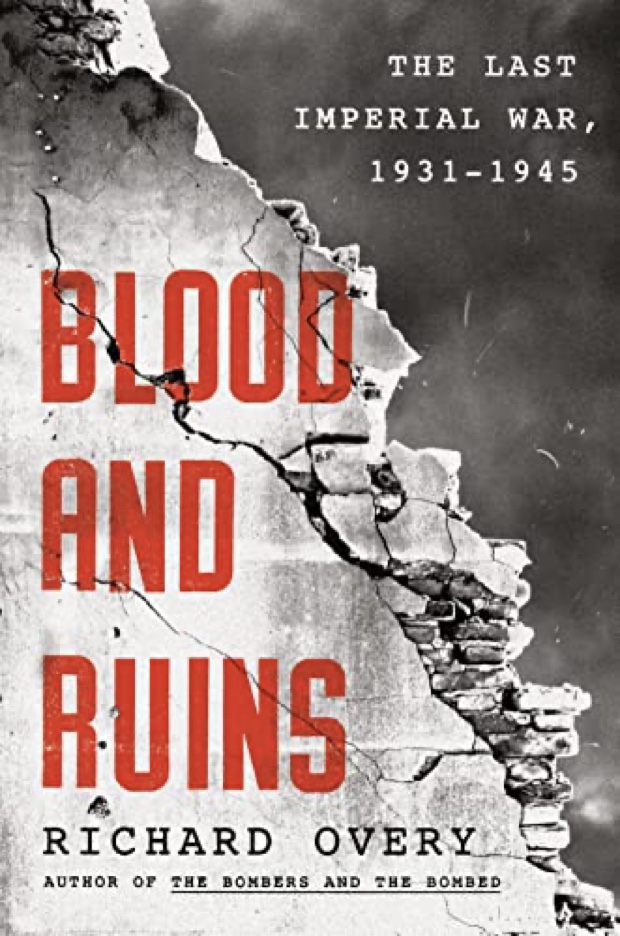
It took me more than a month to plow my way through this richly documented history tome by a professor at the University of Exeter. It is the only book that I have borrowed from the library this year that became due before I finished reading it, with 39 people waiting for it! I had to borrow it a second time months later to read the last 200 pages. By any measure, it should become one of the definitive modern reference texts on World War II and the events leading up to it and consequent to it. Now I feel a need to convince my readers that I actually read to the end, with a proportionately long review.
Commonalities of hundreds of years of wars- the political leaders’ perceived need for space for their ethnically, culturally, and racially homogeneous populations to expand, extract resources and prosper are explored in the Prologue and the first chapter entitled Nation-Empires and Global Crisis,1931-40. Even the British attempts to preserve their vast empire with suppression of native cultures and peoples is likened to Hitler’s invasions of Czechoslovakia and Poland in that regard. The hyperbole of Randolph Churchill’s 1940 rant illustrates this: “… if we lose our empire, we shall become, not a second-rank, but a tenth-rank power. We’ll have nothing. We will all die of hunger.” Ironically, the defeat of the Axis powers lead directly to the worldwide anti-empire nationalist uprisings that lead to the downfall of British, Dutch, French, Belgium and Japanese empires following the war, as related in great detail in the last chapter. Earlier intense competition between the Axis countries to grab the French, Belgian, Dutch and British colonies around the world developed while their defences were weakened by the need to defend the homelands.
In some ways the Nazi eastern campaign against Russia seems like the earlier British settler’s of the Americas in their treatment of natives but even far more heartless, massive, and deliberately cruel. In discussing the 1942 attempts to expand eastward a German senior commander is quoted as saying that “Among the peoples of the occupied East, 85 % of Poles, 50% of Czechs, 50% from the Baltic States, 75 % of Belorussians and 65% of Ukrainians are ‘expendable.’” This was a total of 47,925,000 racial aliens to be expelled or eliminated, not including the Jews, most of whom had already been murdered.
In the 138 page chapter titled The Death of the Empire State, 1942-45, detailed documentation of dozens of battles around the world are provided with an astounding amount of precise bits of data (some inaccurately called statistics) on almost every page. In the 1944 ‘Operation Olive’ alone against the Adriatic end of the German ‘Gothic Line’ “German forces had 8944 meters of tank ditches, 72,517 anti-tank mines, 23,172 anti-personnel mines, 117,370 metres of wire, 3604 dugouts, 2375 machine gun posts, and 479 anti-tank units.” The squabbles between Churchill, Stalin and Roosevelt are discussed as are those between Hitler, Mussolini and Hirohito. The final few pages of this chapter turn the conventional explanation of the reasons for Japanese surrender following the U.S. nuclear bombing of Hiroshima and Nagasaki (intended for Kokura) on its head and reveal the very messy process of surrender and rebuilding of a no-longer-imperial Japan.
Macroeconomists and trade union leaders may be interested in the 59 page chapter Mobilization for Total War and the later 58 page War Economics: Economies at War. Much of the later is devoted to discussion of the impact of America’s Lend-Lease program of aid to Britain, Russia, and Nationalist China among others. Again here abundant very precise numbers of questionable accuracy are provided, although some are referenced to sources in the notes. “[German] Air Ministry calculations made in late 1941showed that no more than 5 per cent of Britain’s rapidly expanding war production was lost as a result of the bombing campaign….The effort to disrupt British stocks of oil and foodstuffs was equally limited. Only 0.5 per cent of stored oil was lost, 5.5 percent of flour- milling capacity, 1.6 percent of oilseed output and 1.5 percent of cold storage facilities….. The cost to German was substantial ….between January and June, 1941, 372 bombers were destroyed… and 496 damaged. By May, the Bomber arm had 769 serviceable bombers….For the British side the heaviest cost was the death of 44,652 men, women and children in 1940-41..” These very precise numbers seem questionable to my sceptical mind. How can anyone be sure that the NKVD ‘blocking agents’ on the Soviet front prevented precisely 657,364 soldiers from escaping from the front line and that precisely 10,201 of these were executed? In other contexts relating data such as tonnage of bombs dropped, casualties, economic costs, ships sunk, etc., numbers are suspiciously rounded off with two, three, or four zeros at the end, with nary any acknowledgement that these numbers are estimates or approximations. I am sure there must be contradictions in some of the data stated as facts, but it would take a powerful computer analysis to find them all. The documentation is supported by 76 pages of notes, and a 47 page Index, not included in the number of pages of text that I have calculated.
The Fighting The War chapter with discussion of communications, use of deception and captured prisoners as double agents may be of interest to technicians in telecommunications, military strategists, and fans of spy novels. The differences between ‘strategies’ and ‘tactics’, two words often used incorrectly, are never expounded; this prompted me to undertake an internet search, where the terms are mostly distinguished in the context of corporate planning.
In Just Wars? Unjust Wars?, Overy clearly espouses the view that almost all individuals participating in WWII were motivated by sincere beliefs in the justice of the cause rather than by fear of reprisals from dictatorial leaders, regardless of the bizarre lies those dictators fed them. This assertion is unsubstantiated for the most part and insults the ability of at least a substantial minority of people to reason for themselves.“Fitness to colonize” was, and still is in some senses, seen as the preserve of rich white peoples in Britain, America, and some Western European nations (and now Russia and China).
This read emphasizes that national borders and names of countries are fickle and at the mercy of ruthless leaders. As Canadians, we should be grateful that the name of our country and its borders have changed little in over 150 years.
The long chapter on the role of the civil defence mobilization of nonmilitary civilian fire fighters, rescue workers, paramedics and resistance fighters in occupied territories shows up the artificiality of the distinction between military and civilian populations at least in places where bombing and shooting was occurring.
The equally loquacious discussion of the emotional reactions of fighters to danger, deaths of comrades, and killing is dense with euphemisms and attempts to dress psychiatric illness up in the more acceptable terms for physical ailments, and the approaches differed dramatically in the American, British, Russian, Japanese, and New Zealand military forces. The stigma of seeing mental illness as a moral weakness was even more powerful in the 1940s but still persists.
The chapter on Crimes and Atrocities documents the grossest most heart-wrenching documentation of anything I have ever read, worse than anything in the fictional Silence of the Lambs. Acts of cruelty of both military and civilian personnel on both sides, around the world and throughout the war make a mockery of the various Hague and Geneva conventions and their numerous vague unenforceable updates. They made any subsequent multilateral agreement on what constitutes a war crime or a crime against humanity almost impossible, a tragedy we are still living with, although there were a surprising number of convictions. The very widespread slaughter of Jews in the Baltic states, Romania, Ukraine, Belorussia, the Slavic states, and the Soviet Union with no help from Germany was a bit of a surprise to me. (This chapter also contains the only misspelling I found- use of ‘dystrophy’, where the author obviously meant ‘dysentery’.)
The massive movement of people following the war, some to be repatriated, some to newly created countries, some voluntary and some mandated is a facet of the war that is often neglected in standard texts but is discussed in detail in the final chapter. Canada, by 1951, is said to have accepted 157,000 displaced people of various previous ethnicities and nationalities displaced but the war. The defeat of expansionist Axis powers also forced reconsideration of imperialism and the beginning of disassembly of the existing exploitive empires of the conquering Allies, with the new United Nations playing a major role. This chapter also provides readers with a concise summary of the the complex negotiations leading to the establishment of the state of Israel and a summary of the rise of the Chinese Communist state. Only the continental conflicts in South America are largely left out in what is a concise summary of later twentieth world history in this chapter.
As a reference work of modern history, this is a comprehensive valuable guide. Consumed in small nibbles on the dense leaves, between snacks of lighter, tastier fare and lots of fluids (it is extremely dry) this provides an impressively informative, global, revisionist perspective on all modern wars of conquest including Russian’s invasion of Ukraine. Good brain food, but my antique brain is now ready for something lighter.
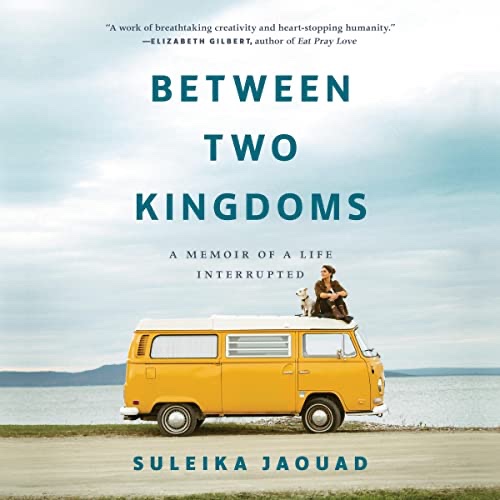
This is the autobiography of a young, immature, thrill-seeking, peripatetic, Tunisian-born, Princeton arts student as she relates her harrowing struggles, beginning at age 22, with acute myeloid leukaemia on top of myelodysplastic syndrome, and the hundreds of complications and dozens of hospitalizations over almost four years.
The details of her medical treatments, including a bone marrow transplant will prove interesting and new to readers with no medical background but were largely familiar to me, having worked with transplant patients for many years. Terms such as febrile neutropenia and GVHD (graft-vs-host disease) are accurately explained.
Her first symptom was disabling, diffuse, mysterious itching which she describes in the agonized pleading language I heard hundreds of times in my previous life, though I never encountered it in association with leukaemia. (I spent many years researching with limited success the mysteries surrounding this peculiar symptom that often precedes any other hints of certain types of chronic liver disease, and a few other systemic diseases by months or years.)
She details the devastating psychic effects of facing premature death and watching other young oncology patients and friends die, and then the very real almost equal difficulties of adjusting to being healthy and reestablishing healthy relationships and perspectives. Her grief is lasting but she displays some selflessness as she sneaks the ashes of her best friend Melissa into the Taj Ma Hall as per her wishes once she is well enough to do so. The toll of caring for her on family and friends is described in detail. A loyal boyfriend’s sacrifices are remarkable but inevitably her extreme neediness strains their relationship to the point of breaking.
The devastating cost structure of the American health care system is largely elided over as her well off relatives and friends contribute to much of her accommodation costs and she is eventually paid well for getting her blow-by-blow account of her progress accepted as serial articles in the New York Times, and later as the subject of public speeches.
The Two Kingdoms of the title refers to the states of near-fatal illness and the almost equal emotional turmoil she experiences as she tries to reestablish a healthy state of mind and normal relationships after recovery. The yellow vehicle represents the vehicle which she took on a 100 day tour around the country to visit with her new connections from the correspondents who connected with her in the cancer centres or from her reports in the New York Times.
It seems to me that the extremely rough emotional rollercoaster ride she relates- self-pity, rage, guilt, despair, and blame, to euphoria and manic hyperactivity-may relate at least as much to her underlying “premorbid” personality as to the effects of the disease and it’s treatment. Certainly not all patients who face prolonged life threatening illnesses express such extremes of emotional responses. Stoics do exist.
One nit-picky quibble. She makes the common mistake of using “data” and “statistics’ interchangeably.
A few notable quotes.
“We call those who have lost their spouses “widows” and children who have lost their parents “orphans,” but there is no word in the English language to describe a parent who loses a child……To witness your child’s death is a hell too heavy for the fabric of language. Words simply collapse.”
“Life is a foray into mystery.”
“Melissa painted self-portraits from bed; I wrote self-portraits from bed. Watercolors and words were the drugs we preferred for our pain.”
Not for everyone, but a good read.
⭐️⭐️⭐️
P.S. On checking recently, it is reported that her leukaemia unfortunately relapsed earlier this year, after six years of remission.
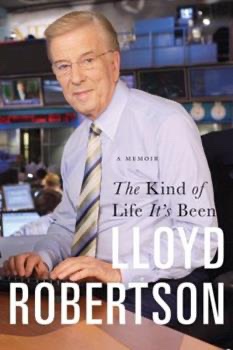
In this memoir Robertson tracers his life from a troubled childhood with a lobotomized mother and a rail-yard worker father in Stratford, Ontario to a part time job with a local radio station to various jobs with radio stations in Stratford, Windsor, Winnipeg, Ottawa and Toronto before moving into the new medium of television with the CBC. After this he moved to the pinnacle of the news world as anchor of the news desk at CTV in 1976. Along the way he discusses the intricacies of newsrooms and the personalities of their denizens who became the household names of the purveyors of what was happening in the world and for entertainment for millions of Canadians of the era.
The petty rivalries between the union-restricted, top-heavy CBC and the private more, open more efficient CTV that lured Robertson to abandon the “”Mother Corp” had wide repercussions but gave him more freedom to act as a commentator and journalist rather than just a reader. He comments on the quirky personalities of some of those household names, both here and in the U.S. Ever a gentleman, he seems to have never held a grudge or stooped to the questionable antics of some in the business.
Although much of his narrative is self-deprecating and he seems to be truly humble and appreciative of the breaks he got, his chapter on meetings with various members of the royal family seems to have a whiff of elitism, as in “See who I got to hobnob with.” Hobnob with the upper crust of society he indeed did -politicians, business leaders, sports heroes, etc-as an integral part of the job. His musings about the importance to the royals in Canadian’s lives seems a bit exaggerated as does his rah-rah patriotism during his coverage of the 2010 Vancouver Olympics as his career was nearing it’s end.
His take on the personalities of various public figures and their attitudes to the media are interesting, as are his long deliberations or dithering (depending on your viewpoint) about the right time to retire while still competent. He only yielded the news desk chair at CTV to Lisa LaFlamme, she who was recently fired for dubious reasons by Bell Media who now own CTV,
In late 2011, when he was 78. The right time to fade away is something many whose work can have a major impact on the lives of others is a question for which there are no easy answers.
His humble background, integrity and modesty adds to this interesting read. Although I could quibble with the emphasis he put on various stories, I end up admiring him, unlike many others writing their memoirs, including fellow newsman Peter Mansbridge whose autobiography is hubristic and disappointing.
The proliferation of news sources, their competitiveness, and the increasing biases of some of them make finding the real story in the news difficult. I am no news hound and detest the terms “breaking news” and “fake news” equally. On the rare occasions when I have been privy to the background facts of stories making newspaper headlines or airing on national broadcasts, I have wondered if they were covering the same facts that I knew. I guess this just emphasizes the important role for those heroes digging for the background facts. It is said that the importance of any medical ‘breakthrough’ is inversely related to its publicity. At least we still have media that are not yet in any major way refrained from telling us the truth as they see it. For that we should be very grateful and protective.
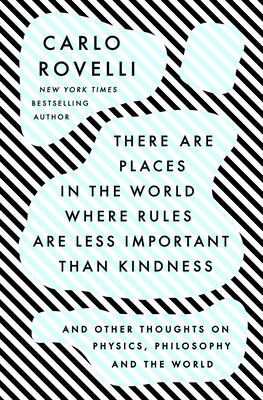
The intriguing long title of this book along with its equally enigmatic subtitle of And Other Thoughts on Physics, Philosophy and the World captured my curiosity when I read a review of it on BookBrowse.
This wide-ranging rambling commentary on everything from psychedelic trips to ancient history, literature and philosophy, to mathematics and cosmology is by an Italian theoretical physicist who is brilliant and articulate. In 46 essays previously published in academic outlets between 2010 and 2020, his insights into the way the world works range from the problem of free will, the poetry of the Epicurean Lucretius, Dante and Milton and the attempts to reconcile quantum mechanics to relativity. He discusses the contributions of such luminaries as Stephen Hawking, Joannes Kepler, Roger Penrose, Nickolas Copernicus and Galileo Galilei.
Some of this is away beyond my simple comprehension, and he lost me completely in discussions of paradoxes such the three essays about black holes from which nothing can supposedly escape nevertheless emitting heat, and a future collapsed universe where time ceases to exist. The Big Bang origin of an expanding universe which was cosmic gospel truth until recently has now been largely discredited, a development which he could not have foreseen when he wrote the densest essays of cosmology in 2014.
The positive life-affirming essay “Why I am an Atheist” could well be adapted and adopted as the manifesto of the many humanist societies around the world. The analysis of the philosophical enigma of free will is as lucid as any I have read.
The author is not only an observant scientist and communicator, he is also a remarkably brave intrepid individual wandering alone through hunter-gatherer villages and tribes in Senegal and Kenya with fearless infectious curiosity to learn about radically different cultures from his own.
As I read these essays, it struck me that they are so diverse that they could readily be divided into two books, one expanding the horizons of simpleton concrete thinkers like me on how the real world works, and another for dedicated to cosmologists and related deep thinkers and scientists.
This is the first nonfiction book by the Virginian novelist, attorney, and activist, the true controversy surrounding factory farming in the agricultural eastern plains of North Carolina.
The central issue is the harm done to the neighbouring farmers and their families, mostly Black, by the stench of hog waste drifting far and wide from the barns, the trucks carrying dead hogs, and the spraying of hog waste far onto neighbour’s property, and even on to their houses, and contaminating water sources and wildlife, as well as inflicting cruelty to the pigs. In 2020, after losing four multi-plaintiff cases and well over half a billion dollars in compensatory and punitive damages and losing in an appeal to the District Court of Appeals, the defendant firms agreed to settle the many more pending suits for undisclosed amounts and either cleaned up their operations or vacated them.
The laudatory descriptions of the personalities of the local, mostly black original farmers and their dedicated lawyers are unnecessarily long and detailed while those of the ambitious factory farmers with their unscrupulous law firms invading the area with integrated hog operations are uniformly and perhaps appropriately derogatory. Laudatory superlatives dominate in the lengthy descriptions of the plaintiffs seeking redress from the multibillion dollar multinational greedy conglomerates of Big Ag, some like Smithfield Foods owned by Chinese companies, in turn controlled by the communist government.
Vitriolic threats, intimidation, jury tampering, legislative capture, and publicity campaigns filled with known falsehoods are all used by the huge factory farm conglomerates and their supporters, some of whom are elected members of the state and federal governments.
Similar but mostly less complex problems have sprung up in many jurisdictions where multinational conglomerates have taken control over the business of growing our foods. All animal farms smell, as I can attest to having spent my childhood on one, but I am not aware of any traditional family farmer in Canada creating such a stink as to warrant a multimillion dollar lawsuit by neighbours.
There is no doubt about where the author’s sympathies lie. The plaintiffs before the judges smile and deliver “orations” whereas the defendants of the factory farm practices scowl, obfuscate and “bloviate”, seemingly one of the author’s favourite words. Byzantine law suits and counter suits in local, state, and federal courts and equally convoluted intertwined lopsided contracts with local family farmers with hidden racial bias overtones are described in unnecessary detail. We readers got your point 100 pages ago.
This is a meticulously researched true David vs Goliath battle in the U.S. agriculture industry, but it is unnecessarily long and a bit pedantic with pages-long descriptions of the personalities and emotions of the people involved. Dare I suggest that the author should stick to novels?
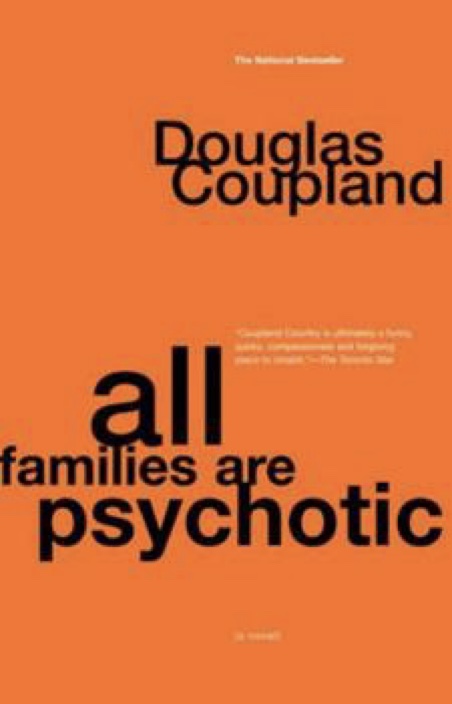
Set largely in Vancouver, the author’s hometown, and Florida, this fast paced thriller is populated by a host of misfits and kooks, most of them originally from Canada.
Quirky turns of phrases and metaphors, like “He looked like a bin of Salvation Army remnants” or , (in a sleazy restaurant) “Tinny generic-sounding Spanish music squeaked out of the wall panels, as though mice were partying inside.” abound.
Just when you, the reader, will think that nothing worse can befall the violent and chaotic Drummond family of five, it does, for all of them, thanks to the author’s vivid imagination. A bullet fired at their son by Janet’s ex-husband, who is sharing a bimbette with him, passes through him and in to her sternum, infecting her with AIDS from the promiscuous son. The astronaut daughter, with a missing hand thanks to her mother’s prenatal use of thalidomide is betrayed by her husband as her mother resorts to illegally imported use of thalidomide again, to treat her mouth ulcers from HIV, which also infects most of the family, one of them pregnant as a would-be surrogate mother. The astronaut has an affair with her Flight Commander, while her husband has an affair with his wife.
There are far too many chance encounters to be realistic, and I found it impossible to follow the sudden time and place shifts and the often non-sequester hate-filled encounters and conversations as the plot got more and more twisted and weird. Although medical science has progressed immeasurably since I was in that racket, and much of the science presented about HIV is remotely feasible, some is pure science fiction. But pure realism is probably not intended by the author.
As comical, light, diversional therapy, this is a witty farcical tale. Serious literature it is not. Good for anyone needing a laugh.
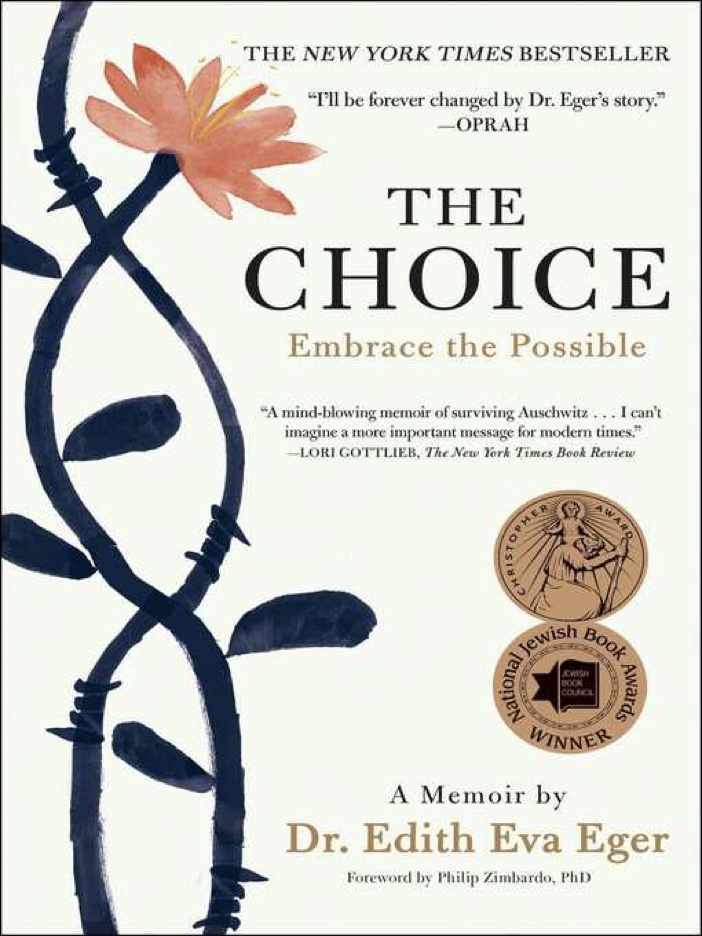
This memoir by a Hungarian/American Jewish clinical psychologist, now aged 94, is not a pleasant read. Rather it is a horrifying documentation of the incredible cruelty meted out to her and thousands of others in Auschwitz and other sites across Europe and later similar cruelty of Communists in the changing border areas between Hungary and Slovakia that she called home as a child, where she is convinced early on that her quarrelling Jewish parents and her two older sisters regretted her very existence. But it’s also ultimately an uplifting testament to the human survival instinct and spirit and the ability to see positives in the direst circumstances and forgive.
Chapter 14, when she is 40, in Jungian therapy and seeking a divorce, is filled with a bit too much introspective self-analysis and self-doubt for my liking, as though she is suffering from the imposter syndrome, the feeling that she doesn’t deserve the remarkable progress she has made in life. And two years later, she remarried her ex.
Forty years after her harrowing year at age 16 in Auschwitz, she returned there and experienced crippling guilt over her use of one correct word (mother) vs another incorrect one (sister) that, unbeknownst to her at the time, condemned her mother to the line of Jews destined for the gas chambers. For me, this lingering powerful guilt demonstrates the dramatically durable power of negative emotions to overpower weaker rational thinking, which she is certainly capable of.
There is abundant good advice for everyone in dealing with emotional pains, griefs, losses, disappointments, guilt and self-doubt feelings that we all experience, but much of it is common sense, a commodity apparently in short supply. There is no doubt about her intelligence, deep insights and positive influence on thousands of others as she reveals her life story to audiences around the world and even to her psychology patients.
The writing is mostly in short, snappy, arresting sentences and phrases such as: “… victimhood is optional” in the Introduction, and “My transgression is life. And the beginnings of cautious joy.” Or “A good definition of being a victim is when you keep the focus outside of yourself, when you look for someone else to blame for your present circumstances or to determine your purpose, fate, or worth.” But she also condemns self-blaming, while advocating for taking responsibility for your decisions. Such nuanced distinctions without a meaningful difference befuddle me. Throughout the book there is a lot of psychobabble, far too much for this reader to enjoy. My wife loved the booked and pointed out that our different takes on it may in part be because historically women have had far fewer choices in controlling their lives than men have. Perhaps because I have led a very lucky and fulfilling life full of choices (to this point), without experiencing much deep emotional trauma or open lasting conflicts, I had a bit of difficulty relating to the lives of people like the author and the patients she describes, much as they deserve everyone’s empathy. Perhaps psychiatrists and psychologists have unflattering words to describe me and my ilk. Shallow, out of touch with their emotions, or callous comes to mind. Stoical would be more flattering.
First, the positives.This account by a Madison, Wisconsin surgeon, gives readers with no medical background a wealth of information about the history of organ transplantation. The discussion, scattered throughout it, of the many ethical dilemmas with no easy answers is quite profound and appropriate. The tragedy of people dying while waiting for a vital transplant is coupled with an earnest plea for more donors. The description of the driven quirky personalities of the early pioneers in liver transplantation, some of whom I knew, seems accurate and insightful.
Now some negatives. It takes the author only 40 pages of writing and three years in medical school to begin to belittle the lesser beings choosing paediatrics, obstetrics, gynaecology, and internal medicine as inferior to that of miracle-working God-like surgeons. Even in the Acknowledgments there is no recognition that hepatologists, cardiologists, nephrologists, pulmonologists, or endocrinologists have ever contributed to the rapid advances in clinical transplantation. Part of the less glamorous jobs of these medical specialists is to prevent the need for patients to ever meet a transplant surgeon in the first place by developing increasingly successful medical treatments. They also provide much of the care for the patients after transplantation, along with family doctors, nurses, physiotherapists and social workers, and develop better drugs for this aspect of patient care. If it seems that I am exaggerating about the author’s surgical hubris, consider this immodest statement: “…I was considered one of the best residents in the hospital.” To be fair, he admits that he was filled with self-doubt at that point.
At one point he ludicrously asserts that “If we got everyone to stop smoking and abusing alcohol and drugs, eating better, and to clean up the environment, we doctors would probably have very little to do.” Has he ever heard of genetic and autoimmune diseases and those caused by the vagaries of nature?
The errors of fact include the the assertion that there are no medical treatments for the itch of chronic liver disease, nor for the diseases that cause it, and that high cholesterol is a major cause of NASH. (If I recall correctly, high triglyceride levels are more important). Some of the minutiae of some of the surgical techniques seem unneeded in a book for the general public and may be difficult for even other specialists to fully understand. While the description of individual patients and diseases is informative for the public and sends the right message about the need for organ donation, it is also melodramatic and problematic. Did it never occur to him that he legally needs consent to identify his patients by name in writing for the public or to give identifying information about donors to recipients and visa versa to deceased donor families about the recipients? In Canada, this is prohibited by law. He ignores the major role of Western University and its ethics committee in developing (at our request) guidelines for transplanting livers into people with alcoholic liver disease; those were subsequently adopted by many transplant centres around the world.
I recognized the names of many people, procedures, routines, drugs, and complications; some of the people were colleagues and collaborators and a few were friends or at least acquaintances; others failed to earn my respect.
I can understand why many people with no medical background will enjoy this book. But to me it is the most blatant example of surgical arrogance and rah-rah Americanism that I have ever read. No one outside of the U.S. except for the surgeons Sir Roy Calne, Dr. Joel Cooper in Toronto, and Christian Barnard in Cape Town, South Africa, all of whom trained in the U.S., are given any credit for breakthroughs in the field.
Not all surgeons are so self-centred and hubristic. For more than I worked closely with my medical school classmate, the very skilled and innovative Dr. Bill Wall, who was trained by Sir Roy Calne in Cambridge. He was one of four surgeons in the world doing successful liver transplants in the early 1980s, the others being Sir Roy Calne, Tom Starzl in Denver, and and Rudolf Pichlmayr in Hanover Germany and Bill was the only one doing so in Canada, but he is never mentioned in the long chapter on liver transplantation, nor is Pichlmayar, Anything but hubristic, Dr. Wall demanded perfection in the O.R. but sought and valued the input of all team members from social workers and physiotherapists to dedicated nurses and medical types like me. He also relied heavily on transplant coordinators, intensive care specialists, and anesthesiologists. Although we not infrequently disagreed about the best course of action, I cannot recall an angry word from Bill. The failure of many Lone Ranger cowboy surgeons like the writer of this book to assemble and value such teams no doubt greatly delayed progress in the field. In retirement, instead of writing the definitive treatise on liver transplantation, Bill has honed his skill as an artist and written a delightful illustrated children’s book, The Ant Who Needed a Transplant, due to be published next month.
If you want to read about the history of organ transplantation, choose the very different Spare Parts by Paul Craddock, published earlier this year.
A peculiar amalgam of historical facts and pure fiction, this novel by a Canadian best known as a conservative, often controversial, Ottawa broadcaster and radio talk show host, was abandoned in the William’s Court mailroom from whence I rescued it from an uncertain future. It doesn’t fit neatly into the usual historical fiction mold as most of the verifiable facts are contained in footnotes, but it does provide a rather unique Belorussian survivor’s perspective on WWII and the subsequent Cold War, even if that survivor’s story as presented here is largely fictional. He provides the documentation of events by a long tape recording supposedly delivered anonymously to the author.
Suspense spy thriller lovers will delight in the hijinks involved in the true, but probably embellished, episode of the killing of the incredibly sadistic Nazi chief administrator of Belorussia and the even more embellished adventures of the young real Soviet Igor Gouzenko, allegedly a defector from the their embassy in Ottawa in 1945, the speaker on the tapes, as he evades would-be killers around the world.
As the story progresses, the realism completely vanishes as Igor’s wild travels around the U.S., the Bahamas and Scotland evading FBI chasers, become ever more unrealistic and stuffed with cheap dramatically overblown adventures and all the tricks of writing a mystery thriller, including beautiful women to bed down, hidden document drops, doubles, and harrowing escapes. All of the major spies on both sides of the Cold War including Julius and Ethyl Rosenberg, Alger Hiss, Kim Philby, Guy Burgess, Anthony Blunt, Julius Fuchs, and even the Nazi sympathizer King Edward the XIIl after his abdication make an appearance. Although a lot of details of the lives of the very real Igor Gouzenko and his wife Valentina were undoubtedly adventurous and remain mysterious, this wildly imaginative account does little to fill in the many blanks. Fun entertainment but little enlightenment.
In the mid 2010s, a huge California tech company called The Circle, staffed by young idealist utopians collects information on everyone in the world, and basically takes over every aspect of everyone’s life, all in the name of improving their quality of life. From equipping all children with embedded monitors and thereby eliminating abductions to cameras with facial recognition worn by almost everyone everywhere and placed invisibly in billions of sites, to politicians ‘going transparent’ with audio and camera monitoring 24/7, nothing is beyond the reach of The Circle. The extent of sharing of info is perhaps best illustrated when a Scottish online follower of Mae Holland, the main character, who like all Circle employees has become what would now be called an ‘Influencer’, correlates her online DNA markers with her online vital signs and points out to her Circle doctor that her diet contains too much nitrates for someone with those characteristics thereby increasing her risk of cancer. There is constant skillful preying on the Circlers’ and the publics’ need to connect with others and to satisfy huge unacknowledged egos. Besides the Three Wise Men of The Circle leadership, there is the inevitable ‘Gang Of Forty that decides on all major projects.
Sprinkled throughout is enough graphic sex and vulgar language to satisfy the most prurient reader. There are a few weak attempts to develop suspense such as when Mae kayaks across the shipping lanes off California’s coast in a stolen unlit kayak at night or threatens sabotage of her former fat boyfriend’s artistic creations after previously promoting them online, but they fizzle quickly. The former episode is used by one of the Three Wise Men of the Circle leadership to make her confess publicly to her millions of followers and then spout and promote their meaningless slogans (and feel good about doing so). Still later, the high-tech search by millions of Circle followers that leads to the death of the reclusive former boyfriend is distorted by one of the Wise Men as a reason for them to adopt ever higher tech solutions to social problems.
The writer’s imagination is enormous and the plot is complex but not hard to follow. There re no chapter divisions and the whole story spans less than a year. A visual depiction of a shark devouring everything in a large aquarium serves as a symbol for the Circle.
Picture a future world where Elon Musk, Jeff Bezos, and Jack Ma control everything and everyone, spewing Chairman Xi Jinping aphorisms and jingoistic meaningless slogans such as
Sharing is Caring
Privacy is Theft
Secrets are Lies
and you have some image of what is portrayed in this dystopian novel-one that has become frighteningly ever closer to reality.
Basically this is a ten-year extensively revised update to the University of Lancaster researcher’s 2010 How Bad Are Bananas? that I greatly enjoyed reading when it was first printed. He also owns a company called Small World Consulting. More scholarly and less politically charged than Naomi Klein’s 2014 This Changes Everything, or Al Gore’s 2006 An Inconvenient Truth, there is something here for every thinking human being. Throughout, he expresses the carbon footprint of various activities in carbon dioxide equivalents, in metric units of weight.
No human activity except dying is entirely devoid of some impact on carbon emissions and even that has a one-time effect, depending on how one’s corpse is disposed of. (He concludes that cremation is the least harmful, but does not mention the possibility of acid decomposition.) I would prefer burial at sea, only allowed if you die on an isolated boat or in a shipwreck.
Berners-Lee acknowledges the often extensive uncertainties in his calculations, and provides detailed notes and a long index. Often his conclusions are counterintuitive e.g. electric bikes are better for the environment than standard ones because they allow for travelling twice the distance for the same amount of energy expenditure and exercise, thereby decreasing the need for travel by motor cars. Texting is more eco-friendly than emailing, though neither are very harmful. He accepts that there are often ‘truncation errors’ in calculations because not all inputs can be included.
Space travel, sea cruises, air travel and air transport are large sources of greenhouse gases, often not included in official reports of government bodies. But cryptocurrency mining is particularly harmful, because of the massive amount of energy used for cooling their stacks of computers. “Some are worried that if the trend continues, Bitcoin alone could push the world over 2 degrees C warming within the next 20 years.”
Obviously, not everything is included. I would have liked to see a comparison of living in a multi-story apartment vs row housing vs single family home with similar amenities and of similar size. I have some lingering concern about accepting nuclear power plants as a source of green energy, not because of radiation hazards, which are minuscule, but because of the massive amounts of energy used in the mining of the minerals, the construction materials, especially cement, and the disposal of the spent ingredients.
While I do not doubt the author’s honesty, brilliance, and integrity, close attention is needed as he spells out wide estimates of the carbon footprint of various activities, lest you lose track when he is comparing items and activities that are not at all alike in their effects.
The chapter on negative emissions is thought-provoking but leaves out one intriguing possibility that I just read about. Geneticists have tweaked the genes of soy beans and rice to ramp up their chlorophyll efficiency by up to 25%. This would seem to me to be a win-win development-more carbon capture with more production of sugar, water, and oxygen. But if the plant material is then used as fodder for methane-belching ruminants such as cattle and sheep, that could at least partially negate the benefit. Could this maneuver be scaled up to broad-leafed grasses and trees?
Loaded with pie charts, graphs, and lists, this is a valuable reference work. The two charts in appendices, of the carbon footprint of some foods (36 items purchased in Britain) and the carbon footprint of spending money (48 items, expressed in British pounds) could usefully be referred to frequently by any shopper.
Set in the late 16th century in a fictional British town near, and later right in Stratford, this novel initially concerns itself with the not uncommon problem of an unwed pregnant teenage girl in a blended family with strict adults and rebellious children. With stretched imaginations, the story is said by critical reviewers to parallel the life of a youth that Shakespeare supposedly based his Hamlet on, and they also claim that the pregnant girl is modelled after Anne Hathaway, Shakespeare’s wife. None of the allusions to Shakespearian themes were obvious to this reader. Later chapters relate the fraught relationships between in-laws of different generations and world outlooks and divergent levels of urbanized culture, from a glove-maker strict cruel patriarch to a young Latin-tutor son.
A circuitous route of the Black Plague bacteria via fleas from a monkey in Alexandria to London via a ship’s cats and rats, Damascus, Aleppo, Venice, Sicily, Barcelona, Porto, London, Stratford, and on to Warwickshire via a horse, is detailed. It infects and kills many people en route, including one of the main characters, a good illustration of the ignorance of infectious disease transmission of the era, long before Robert Koch, Louis Pasteur, Ignaz Semmelweis, and John Snow. Likewise, the fragility of life in the era before any effective medicines and antibiotics is made clear by the common and unpredictable deaths of children such a Hamnet, and the widespread use of quackery and sorcery. With this in mind, and the fact that in that era at least one in five children died before age five, the extreme and prolonged grief and pathos to the point of psychotic delusions of Hamnet’s mother and other members of the family upon his death seems unrealistic. Readers are also accurately reminded about the primitive state of communication channels of the era with most of the population being illiterate, having no railroads, cars or telegraph, and no reliable postal services.
The present tense is used throughout the entire narrative but the chronology of events skips back and forth and can be confusing. There is a dearth of dates and ages of the children as different events are discussed non-sequentially with gaps of time left out entirely. If one leaves the story and then comes back to it as I did it becomes difficult to pick up the thread and distinguish the characters from each other. Unrealistic abilities of the young mother to smell distinctive odours of her own very early pregnancy and her husband’s melancholy border on magic realism. The bloody details of childbirth hardly make for entertaining reading, no matter how realistic.
Equally unrealistic is Hamnet at age eleven changing clothes with his dying twin sister to fool Death into taking him instead of her and his mother’s earlier frantic distressed musings as she goes into premature labour with the twins. As Hamnet’s father, playwright, theatre company owner, director, and actor reincarnates his dead son as Hamlet, what plot there is drowns in a sea of grief, sentimentalism, and nostalgia.
For me, there is an excess of the flowery meaningless descriptions that seems to please many professional reviewers of books who belong to the ‘creative writing’ set. There are twelve sentences on one page page starting with “She sees…”. Excessive long descriptions of scenes and people abound and metaphors often contradict others in the same sentence.
I found nothing very educational, enlightening, enjoyable, or memorable about this book. Others with a more literary bent may well disagree.
The Umwelten (the various sensory input modalities) available to different species are explored in detail by this D.C.-based science writer for The Atlantic. Our human limitations in sensory inputs lead us to ignore those that are used by many other species and force us to interpret their behaviour in the light of what we can perceive, to our detriment. Some humans with special abilities such as those with synestheia (crossed sensory inputs such as seeing sounds or hearing colours), usually viewed as disabilities, may be more capable of sensing the world around them as other species do. And the blind and deaf develop heightened senses of smell, touch, and position, like dogs.
Viruses, which some scientists say do not qualify as living organisms, can ‘smell’ or in some other way locate vulnerable bacteria to attack. From these to elephants and orcas, every species has developed a unique Umwelten and there is considerable variation of these sensory perception abilities between individuals within the same species, much of it genetically determined; some is from training such as dogs trained to sniff out drugs or detect some human diseases.
Most vertebrates smell odourants stereoscopically with a two-chambered nose but insects do so with feet, legs or antennae, and snakes and scorpions with a forked tongue. Catfish have taste buds scattered all over their scaleless skin. In the chapter on sight the widely different eyes (single-called bacteria can detect light) to the 10.6 diameter eye of the giant deep water squid are discussed. There is astonishing variability in acuity, visual fields, detectable wavelengths and practical uses. “ Frustrating though it may be, most of us simply cannot imagine what other animals look like to each other, or how varied their sense of color can be”, Malcolm Gladwell’S 2009 book What the Dog Saw (which has very little to do with dogs or vision) notwithstanding.
The chapter on colour perception is too detailed and technical for my simple mind to get around, with opsins, receptors, different kinds of polarization of wavelengths of light, and the different abilities of species resulting from those factors. The pugnacious mantis shrimp and the peacock shrimp with small brains but at least 11 classes of photoreceptors seem to outperform our own proportionately larger brains but only two, three, for four photoreceptors in our eyes when it comes to perception of colours.
The chapter on heat and cold is also very detailed but does not mention an unusual human aberration that I have observed. Some people with ciguatera poisoning from eating toxic tropical fish develop temporary temperature perception reversal-hot environments are perceived as cold and visa versa. An acquaintance with this showed up at work all summer wearing a parka and winter mitts. As far a l know, no neuroscientist has been able to explain this.
The age-old question of which creatures are able to feel pain is addressed in fresh terms but seems unanswerable as Young decries the strong human tendency to anthropomorphize. He distinguishes between nociception (the ability to detect harmful stimuli) and the experience of pain.
The infrasonic sounds made by whales and the ultrasonic ones of many insects and some land mammals are documented in some detail although the uses of these are often a mystery to us with our limited range of hearing frequency. The chapter on echolocation by bats outlining the ten challenges they have overcome to make it into an effective hunting tool is the best explanation of this that I have ever encountered. and whale and dolphin echolocation is equally fascinating.
Overstuffed with astounding facts about the complexities of the natural world, there is something to delight the nature lover on every page e.g. female moths and elephant cows secrete the same chemical pheromone to attract a mate. Elephants ‘listen’ with their feet to interpret horizontal vibrations of the earth as do small planthopper insects). Tactile sense, electric, magnetic and gravitational fields, and echolocation are all explored. Some blind people have learned to navigate with the aid of echolocation, like bats and dolphins. A few have even taken up mountain biking!
Among the more interesting -to me at least- having observed several barn owls- their ears are asymmetrical, the left higher than the right, allowing them to locate the direction of a sound in 3D to within two degrees.
I have a couple of negative comments. Among the hundreds of facts discussed, a few will be intuitive to many readers and could have been omitted wile others may be too complex for readers with little or no science background. Some of the most interesting bits of trivia are confined to small-print footnotes that could have been incorporated into the main body. The last two chapters urging us to reduce our sound, light and other forms of pollution , while important advice, to me sound a preachy note and I do not take sermons very seriously
Nothing in nature is as simple as it seems to us, as Hamlet reminded Horacio: “There are more things in Heaven and earth …than are dreamt of in your philosophy.” Ed Young proves that truth with hundreds of examples.
⭐️⭐️⭐️⭐️
Thanks,
The Atlantic. (where I first encountered Young’s writing)
Sergey Sergeyi and his frenemy Pasha Khmelenko are the only two natives remaining in a village in the Donbas region of eastern Ukraine after the Russian attack in 2014. They are somewhere in the gray neutral area between Russian and Ukrainian forces. Sergey, a beekeeper abandoned by his wife and 4 year old daughter before the Russian assault, is strongly pro-Ukrainian and Pasha is equally pro-Russian but they are forced to cooperate to survive.
Sergey leaves the area to find a suitable place to set out his six beehives away from the constant shelling, and travels in his beat up old Lada with a trailer throughout Ukrainian and then Russian-controlled areas ending up in Crimea at the home of a Muslim Tartar, the widow of a murdered former fellow beekeeper, enduring cruel bureaucratic persecution by Russian officials at border crossings.
I could easily understand the loving attention of beekeepers for their charges and the amazingly complex life of bees, having grown up next door to my beekeeper uncle. The author relates such details of the trade as use of the honey extractor machine and how to return rogue swarms to the hive, that I concluded that he must have first-hand experience with it. I watched as the honey extractor machine was used at Hutchinson’s apiary in Mount Forest, and as Uncle Tom removed a swarm of his bees from a tree on our farm. The title refers to the sickly bees in one hive after Russian officials took it away temporarily, supposedly for a health inspection.
Sergey’s vivid and complex emotional musings and dreams are mixed in with his real life experiences. A missing grenade adds some tension to the story, but the plot is not very complex and the characters are easy to follow. The fictional characters are made to seem so real that I found myself wondering what has happened to them since the full-scale Russian invasion of Ukraine earlier this year, after the story was published. Silly, I know.
My only criticism is the lack of a geographic sketch of the area as the many small villages, towns and cities with long foreign names can be confusing to readers who, like me, are geographically challenged.
The writing style is best described as simple but perceptive and delightful with a deep appreciation of everything in the natural world. “All of a sudden, outside the window, the February sun began to shimmer and shine playfully, as if enjoying the first taste of freedom after long months of captivity.”
This is a timely, beautifully written story obviously aimed mainly for a Ukrainian readership, but has universal appeal.
A short review for this short beautiful novel by the acclaimed Irish writer. This is based on the life of an ordinary coal merchant, Bill Furlong, who never knew who his father was, in a small coastal town. His silent internal philosophical musings, as he reflects on doing nothing but working to support his family, eating, and sleeping are actually quite perceptive, He asks quite profound questions about the meaning of his life, like the Peggy Lee song Is That All There Is? “It seemed both proper and at the same time somehow deeply unfair that so much of life was left to chance.”
“Lately, he had begun to wonder what mattered….and could not help but wonder what the days were for.”
His encounter with a postpartum teen girl locked into the convent coal bin from the school for unwed mothers/laundry/jail shocks him into moral reckoning with himself and raises troublesome questions about the whole community almost totally under the control of the Catholic Church. It is based loosely on the real experiences of many of the Irish folk by their troubled relationship to Catholicism and the Madeline laundries operated by it until 1097. No easy answers are provided.
A beautifully written tale that is both simple and profound, inviting and appalling at the same time. Highly recommended.
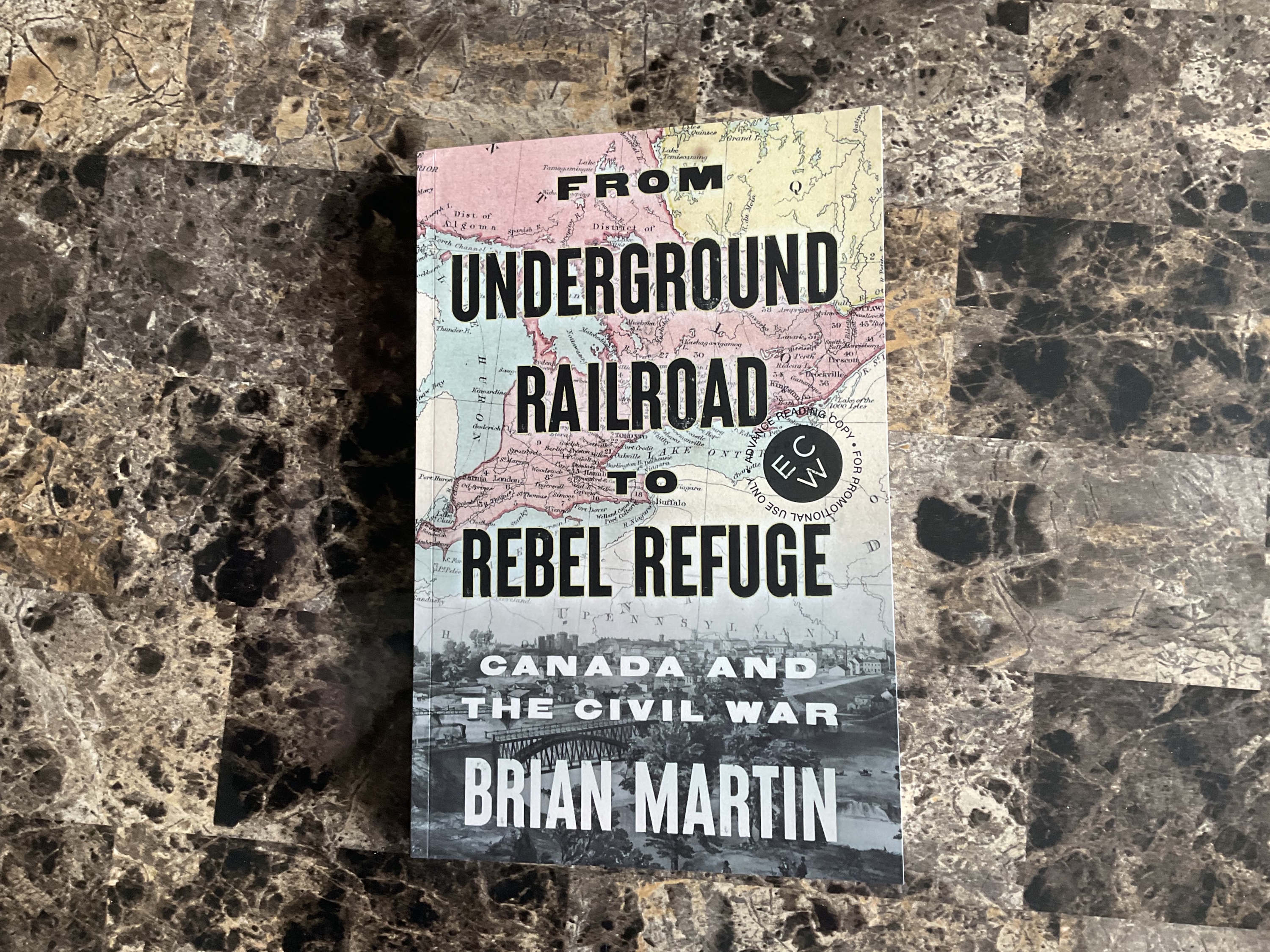
First a full disclosure. Whenever I am very disappointed on reading a book that has been given a rave review by persons unknown to me, I suspect that the review was written by a close relative or friend of the author, or worse, was paid for their praise. Such is the nature of marketing. The author of this history is an journalist/sports writer/biographer/historian, acquaintance of mine from my years in London, Ontario, and a friend on Facebook, but not a close personal friend. We both had previous book published by a small, now defunct Ontario publishing house. When I heard about this book to be published in October, I asked him if I could buy an advance copy for review, and the publicist at ECW Press was kind enough to send a free preprint ‘for promotional purposes only’. But I think I can still provide a relatively unbiased assessment of it. Hence this paragraph written before I even opened the gifted preprint.
Now my review.
All the 1850’s, 60s, and 70s Canadian and American history that we were never taught in high school or even in university, and should have been, is served up here in rich, scholarly, entertaining detail by the London, Ontario journalist/sportswriter/biographer/historian, extending the documentation briefly into the 1930s.
Far from passive bystanders watching the war from ‘America’s attic’ Canadians were intimately involved in far more complex ways than most of us heretofore appreciated. Before the war, Canadians were active participants in providing safe passage for escaping slaves to safety in the free north U.S. and southern Canada via the Underground Railroad. They usually settled in cities and towns close to the border, where they generally, but not always, were welcomed. Lucan, north of London, Ontario, was at that time named Wilberforce, after the British abolitionist.
The 1857 racist precedent-setting Dred Scott decision by the U.S. Supreme Court did much to precipitate the war. (Will another recent similar packed Supreme Court decision precipitate the next one?) Canadian adventurers, dedicated idealists, abolitionists, white supremists, many with American relatives and a few duped, drugged, or hijacked youths joined American forces on both sides and thousands of them never returned home. At least a few Canadian women disguised themselves as men to enlist on one side or the other to take up arms, probably unintentionally killing fellow Canadians. The border crossings, particularly at Detroit and Buffalo, became two-way thoroughfares with Canadians heading south to fight and thousands of Americans of various stripes, and for various reasons finding a usually friendly welcome in Canada. It was not just people who used this highway- farm produce from rich southwestern Ontario soil and fabric from its urban factories crossed the porous border with compliant, bribable guards to feed and clothe armies. Of particular interest to me was the arc of Bennett Young’s life from childhood poverty in Kentucky to Confederate soldier, to leader of a raid on St. Albans, Vermont from Lower Canada (Quebec) in an attempt to drag Britain into the war. He became a fugitive after the war living in Canada with clusters of former fellow Confederate bigwigs in sympathetic towns and cities. After education in Europe he then returned to Kentucky and a thriving law practice and founded Eastern Kentucky University where my daughter teaches theatre arts. Small world!
The various attempts by the Confederate forces to drag Britain into the war and open up a northern battlefront against the Unionist army fighting them in the south was a serious concern to Canadians in what was then pre-Confederation Upper and Lower Canada, as was worry about being annexed to the States at various times, a serious proposal endorsed by Lincoln’s Secretary of State, William Seward among others. Following the war, impoverished southern plantation owners deprived of their slaves, some of them former Ku Klux vigilantes (the forerunner of the KKK) found their way to Canada spewing hateful racist language, many of them setting in London, Ontario, where they thrived. Several families of them are buried under big monuments on Millionaire’s Row in Woodland Cemetery.there. Jefferson Davis, president of the Confederate State during the war, found temporary refuge in Montreal after it ended. John Wilkes Booth hatched his plans to kill Abe Lincoln in Quebec. The late attempts of a newer KKK to establish cells in Canadian cities succeeded briefly in the 1920s but floundered in part because the racist anti-Catholic Loyal Orange Lodge “had effectively cornered the market on bigotry…”
The book is divided logically into three parts covering the periods in the 1850’s just before the war to during it, and then after the war during Reconstruction. The writing is straightforward easy prose, and while there are far more names and places than I can possibly remember, there are also a surprising number that I am familiar with as many of the towns, streets and family names are common around southwestern Ontario.
I hope this enlightening book will become available in ebook and audiobook formats, as it can easily be widely appreciated even without the helpful photographs and maps.
This should be obligatory reading for serious Civil War, Canadian and international history buffs; I highly recommend it even for the Canadian and American general public as well. I learned a lot of unique Canadian history and enjoyed it immensely, something I cannot say about my high school history class.



 The Passionate Reader