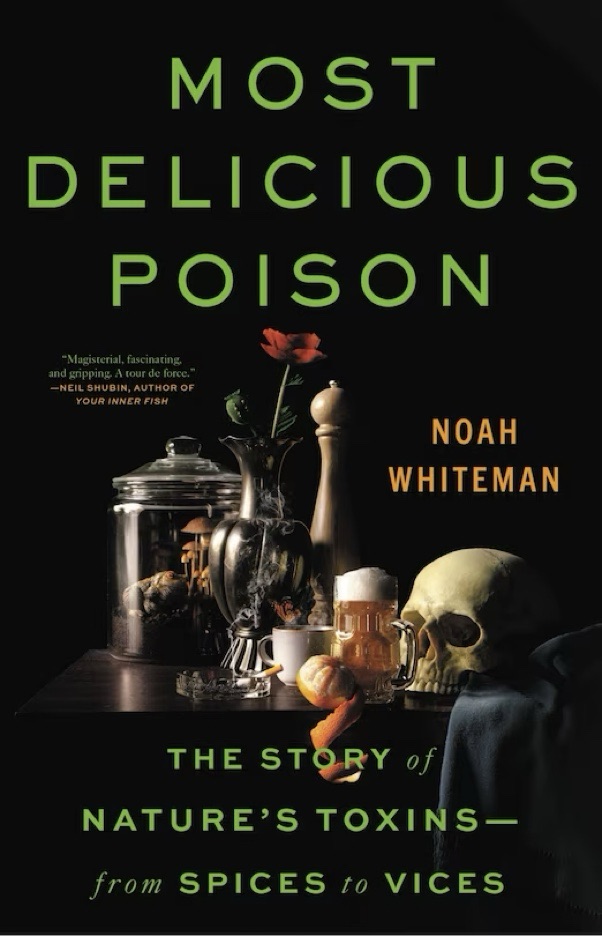
In this scholarly work by the Berkley professor, the definition of a poison is somewhat loose, as he notes early on – it all depends on the dose. One needs to keep the relationships clear as they can be very complex as some plants use a huge variety of compounds in defence while animals and microorganisms sometimes succeed in adapting them fortheir own purposes. Such is the case with aspirin- like compounds and the phenolics and flavonoids that have produced some useful medicines.
In describing the monarch butterfly defence using toxic cardiac glycosides, the long history of this tactic is emphasized as is the complex relationship between our endogenous production of similar products. It seems a stretch to link the author’s father’s fatal alcohol abuse to any specific product in nature and I could not follow the logic. Similarly, to state that “A line can be drawn from the single most influential drug ever, the Pill, to the herbivore-repelling diogenin-laden of wild yams in Mexico, the red trillium birthroot of the Native Americans, and the oubain in the poison-tipped arrows that the Girama people used to defend against the Portuguese invaders in 1505” seems an extreme stretch, but this book is full of speculation.
The long chapter on the death odour is so unfocused as to weave its way into many other areas such as psychedelics and the narcotic epidemic. There is no mention of the revolting odour called fetor heptaticus on the breath of some patients with chronic, but not always severe liver disease. I briefly studied it and showed that it often did not indicate severe disease. It is believed to be mainly caused by a mercaptan, and is so potent that one drop will clear a sizeable building, and is used by gas companies to alert them to leaks.
The history of coffee is interesting but I am concerned that no distinction is made between causation and correlation and the bit about pregnancy made no sense- there is no such thing as first trimester premature birth! The protective effect of smoking on development of Parkinson’s Disease is mentioned, but not the effect on ulcerative colitis. One snippet of interest is Sigmund Freud’s addiction to cocaine. The author totally lost me in his wandering logic under the title. The Herbivore’s Dilemma.
The author seems to regard chapter titles and subtitles as mere suggestions or launching points to then discuss myriad unrelated topics as they occur to him. He never addresses the issue of free will and may not have ever pondered it, but acts as though it doesn’t exist. It is hardly news that there are thousands of poisons, that they serve an evolutionary purpose, or that we vary in our responses to them. Beyond that few will want or need to know more details. There is a huge amount of information conveyed in this book, but it is so poorly organized as to be very difficult to remember. I cannot recommend it.
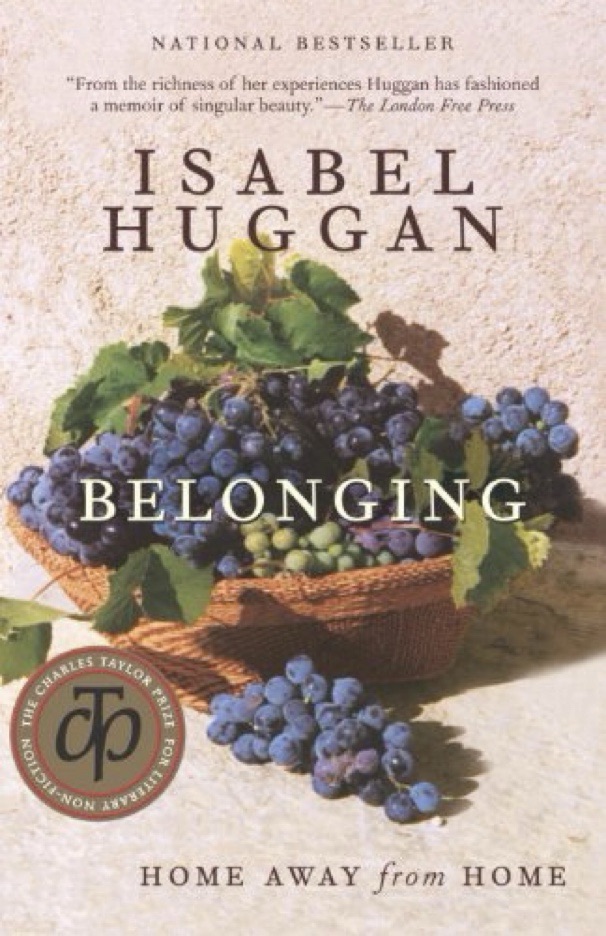
This is the book that my sisters recommended-one of several with the same title. Born in Elmira, Ontario, in 1944, the author has since lived in London, Ottawa, Belleville, Kenya, the Philippines, and two places in southern France as she followed her husband around the world. In addition, she has had several visits to Tasmania.
The writing is lyrical as she muses about the meaning of the endless useless objects that she collects. More nostalgic, sentimental and introspective than almost anyone I ever met, there are keen insights and musings about relationships. There may be a remote connection to my mother. She mentions that her mother was Catherine Innis McLennen; my mother’s maiden name was also McLennen and there are some other hints as the geography and time period fits. Her extensive travels around southwestern Ontario brought back fond memories of my similar travels.
The description of her travails in the never-ending fixing up her ancient home in southern France adds humour with their inept contractors. There will be no difficulty keeping the characters straight but in the latter sections of the book it becomes less autobiographical and less related to her own experiences.
There is nothing very profound in this story and she never discusses her own beliefs and philosophy, but seems to consider the whole world her home. Although I could not relate to many of the places she dwells on, there is little doubt that she would be a most entertaining dinner guest.
From the author of The Gift of Rain, another interesting historical novel. The prologue is set in South Africa in 1947 but the action is in Panang, Malaysia in 1921 in Part I. There Somerset Maugham with his same -sex companion travels the globe collecting stories about Sat yen-Sen and surreptitiously collecting information for MI -6, the British foreign intelligence agency. It was hardly a secret even at the time to those in the know by the time of his death. The stories are told in part by the married hostess of the group who gather in Panang, Malaysia.
Part Two is set in Panang in 1910, narrated by the same wife/teacher of a local lawyer who provides an interesting perspective on Dr. Sat yen Sen and the China of the era. But there is a lot of time shifting and a lot of discussion and speculation about marital infidelity that made it even more difficult than in The Gift Of Rain to keep the characters straight. The murder of a supposed rapist becomes even more complex when new revelations are found in the epilogue after the narrator has moved to South Africa. The symbolism of the House of Doors seems a bit weak to me. The two constants in the book are the life of the rebel Sat yen Sen who after many failures finally overthrew the Chinese empire of the day, and the life of Somerset Maugham with his homosexual partner as they wander the globe.
Not as good as The Gift of Rain, in my opinion, but still an interesting read. If I had to choose one or the other, I would choose The Gift of Rain.
Bizarre is the only word to describe this book. I thought it had been recommended by my sisters but now doubt that. I guess you could call it an autobiography, but there are few details except for the etherial overpowering and all pervasive sense of not belonging of the author. I became more and more concerned about the mental state of the author, a Montreal Sufi and Jungian as I read on. The overwhelming self analysis and vagueness made this not only useless advice for this concrete thinker, but I wondered if anyone could make sense of it. There are not just a few but hundreds of meaningless sentences such as “When we go inwards at night, we are restoring ourselves to the multiplicity of our coherence.” At one point, she describes herself as a “unique weirdo” and that seems to fit. I gather that she works as a psychotherapist and dream interpreter on a small island off the coast of British Columbia, but I have no idea what her qualifications are. Dreams and short nonsense poems are liberally interspersed within.
I/10
I foolishly persisted to the end, hoping it would improve. It did add some interesting history of relatives who survived the Holocaust and hints of a Jewish background, but there is also a distinctly non-rational flavour, a hint of anti-science and more admonitions to do this or that nebulous something. And in the final few chapters, there is a bit more autobiography that goes a little way in explaining her emphasis on community, but it remains very vague with impractical suggestions. While I do not doubt the author’s intelligence and good motives, the cultural chasm between her world and mine is just too great for me to get anything meaningful from this book.
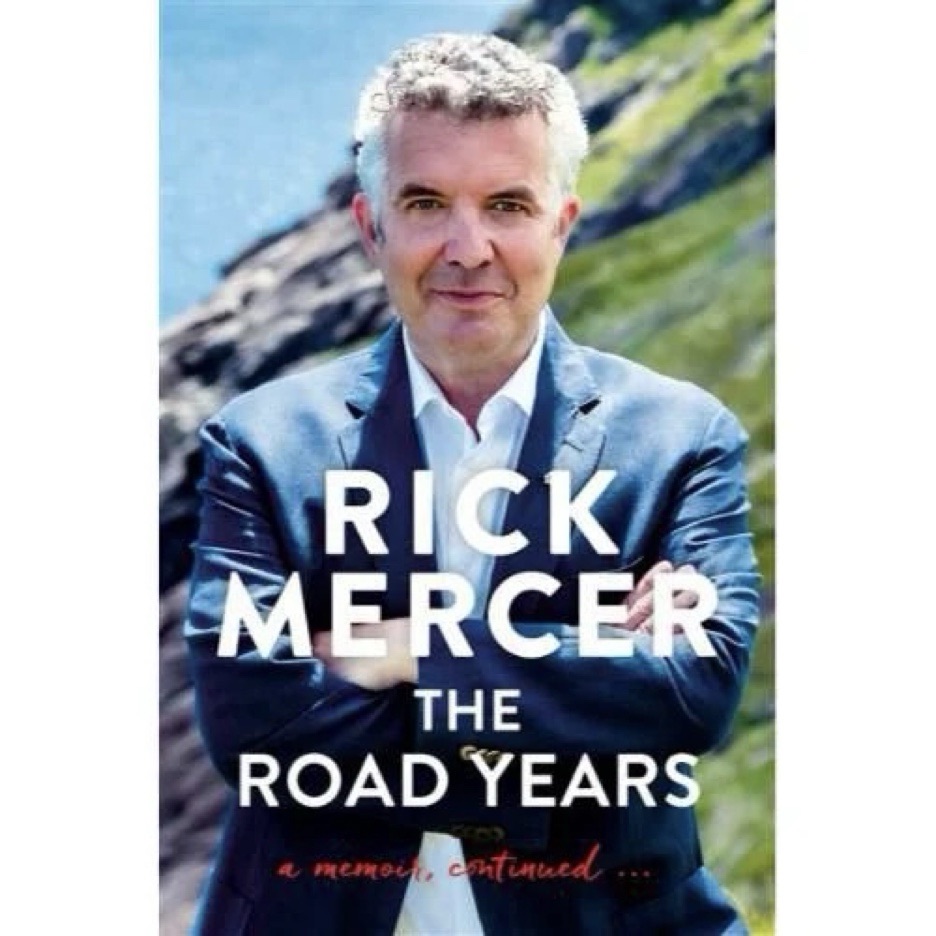
One of several books by the Canadian known mainly as a comedian and daredevil, this is part biography and part history. He goes through a few of his old adventures such as in a Varney, Ontario road race with old cars with no brakes. In another he is tasered in Ottawa, unfortunately on the same day as a misidentified man died by being tasered. That episode was wisely never aired. The most daring would appear to be tagging black bears in Algonquin Park.
But as the book progresses it also becomes more serious and more political. He clearly was not fond of either Stephen Harper as a person nor of his politics. He interviews Belinda Stronach, one of the few who openly disagreed with the all-controlling Stephen Harper, and then deserted him to become a liberal cabinet minister and advocate for the international centennial goals. His visit with her to Africa as part of those international goals with Jeffrey Sacks is touching and mind changing. The resulting decision to sponsor the Spread the Net was a huge success among school children as it saved many lives.The background of the famously recalled nude diving into the lake with Bob Rae is shown to have been a diversion from the fact that they had caught no fish that day.
There are good insights into what is involved into the weekly planning of a television show and he has nothing but praise for those who did it for years.
There are are far too many superlatives, too many famous names dropped and too few jokes in this disappointing book for those who are expecting more of the mostly entertainment genre of previous books. But for those who want a serious discourse on Canadian history, this is a great book.
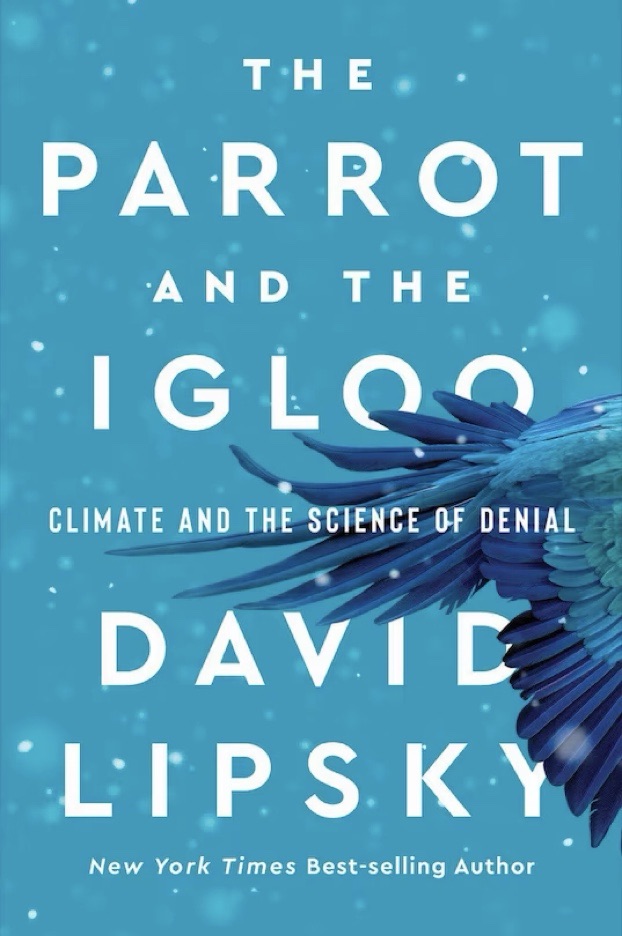
The Parrot and the Igloo. David Lipsky. 2023. 18 hours, 46 minutes. (Audiobook.)
In the two hour Part I, this American environmentalist details the discoveries of such luminaries and forerunners of our technologies as Faraday, Volta, Turing, Westinghouse and Franklin leading to the ultimate discovery of carbon as the main cause of global warming.#
In Part II, the early warning of climate warming is featured, including Arrhenius who falsely believed that oceans would compensate, much earlier than usually appreciated and identified carbon dioxide as the major cause. The effect of methane is never mentioned. And the albedo effect is discussed in detail, providing a positive feedback loop. Jimmy Carter’s policy of boosting reliance on coal in response to the Arab oil embargo is only briefly mentioned. The surprising fact is that others, both Republican and Democrats were at least equally guilty. The myth of the frog in boiling water is shown to be just that-a myth. Long divergences about the relationship between lung cancer and smoking including eminent scientists, illustrate the ease with which people can be deceived by government propaganda, but that is hardly news. However, the broader efforts to discredit all science had its origin in this and can be linked the actions of the cigarette industry. We are now living with the consequences of this. The introduction of the late billionaire Reverend Moon, is confusing and it is a real stretch to relate it to climate change. It is not the only tenuous connection in this book. But there is no doubt about the link between aspirin use and Reye’s syndrome although some still deny it. That is one of several instances where the author repeats himself, sometimes several times.
Short terse sentences are everywhere and it seems to be the point that government agencies are ill equipped to deal with well paid lobbyists. The long conflict over the freedom of information act also seems unrelated. The author seems pleased to show off his minutiae of innumerable facts of no major significance. There are numerous incidents which are said to have been crucial to the survival of the species, as authors exaggerate their importance. Apart from numerous outright lies, many points of data are used selectively, to fit with the bias of the author. The hour-long final chapter criticizes the administration of Obama for its low priority of the climate crisis. The epilogue and the postscript are both more than one hour long.
This book is needlessly long, disjointed, and pessimistic; lots of problems are identified but no solutions are even suggested. I cannot recommend it but did finish it. I am sure better ones await.
This book is the choice for this month’s Western University Alumni Book Club, with its peculiar format of online discussion in sections.
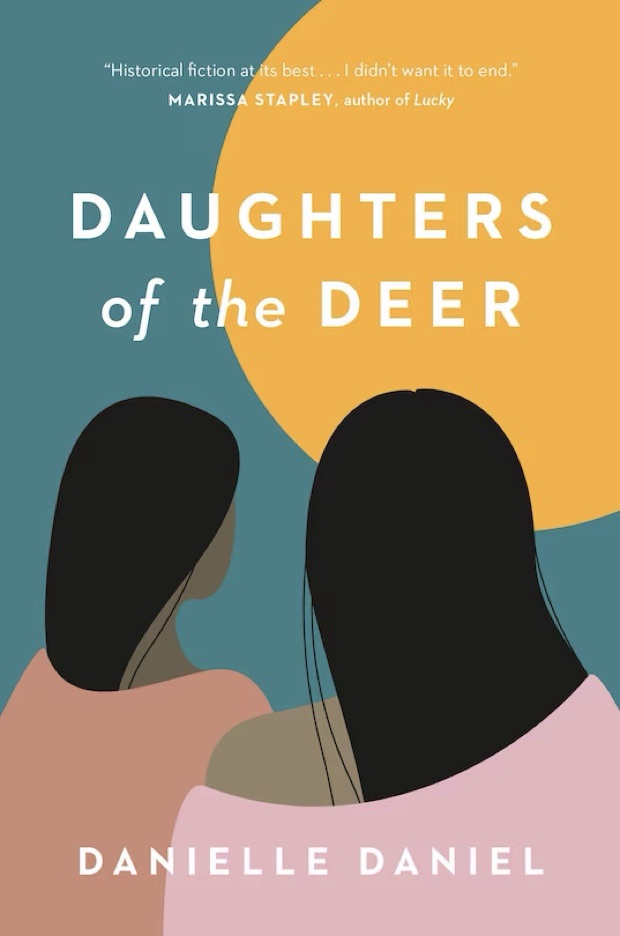
Maria, a widow of the small Weakanari tribe, a part of the larger Algonkin nation, near Trois Rivière in the late 1600s is the narrator of most of this interesting native tale although some is third person singular prose and some is mixed. At one point, she appears to be the narrator, but then refers to Maria in the third person singular. It is described as historical fiction, but could possibly also be considered as embellished memoir, as the family tree which is included at the end shows that the author is the granddaughter of Maria. Maria is reluctantly remarried to a French soldier for their protection from the raiding Iroquois. The all-encompassing dictates of the Catholic Church and Jesuit priests ensures that the native spiritual practices are eliminated and their babies are baptized. She reflects my thoughts exactly when she states “ I cannot imagine how a god who is all-knowing would allow babies to burn in hell for eternity because they are not baptized.” The white French also brought what I gather was measles, which proved deadly to the natives. After a winter of near-starvation, further encounters with French culture and religion and the death of her beloved Chief, Maria and her family feel isolated, friendless and lonely and reluctantly decide to leave the tribe and resettle on a 12 acre seigneurie farm in southwestern Quebec, near the junction of the Richelieu and the St. Lawrence rivers near Ville Marie. A gay couple and a lesbian couple are readily befriended and welcomed by the natives but shunned and condemned by the French Catholics.
Robin Wall Kimmerer’s advice in Braiding Sweetgrass to take from nature only what you need, to give back what you can to ensure sustainability, and to express gratitude, distinctly native creeds, is repeated here.
Bizarre dreams of talking animals and magical travels mixed with pantheism, belief in an afterlife, and purported cures for various ailments from natural products are the features of this book that I have the most trouble appreciating and understanding. At times, Maria’s daughter appears to be hallucinating, seeing her dead lover who has suicided. There was no recourse for the women if their husband dies or leaves them, as they had no property rights and are deemed to be property of their white husbands. The introduction of alcohol and its effects on the native culture is shown to be devastating.
A politically correct interesting well written tale that I quite enjoyed with some reservations. I await discussion from others of the online book club.
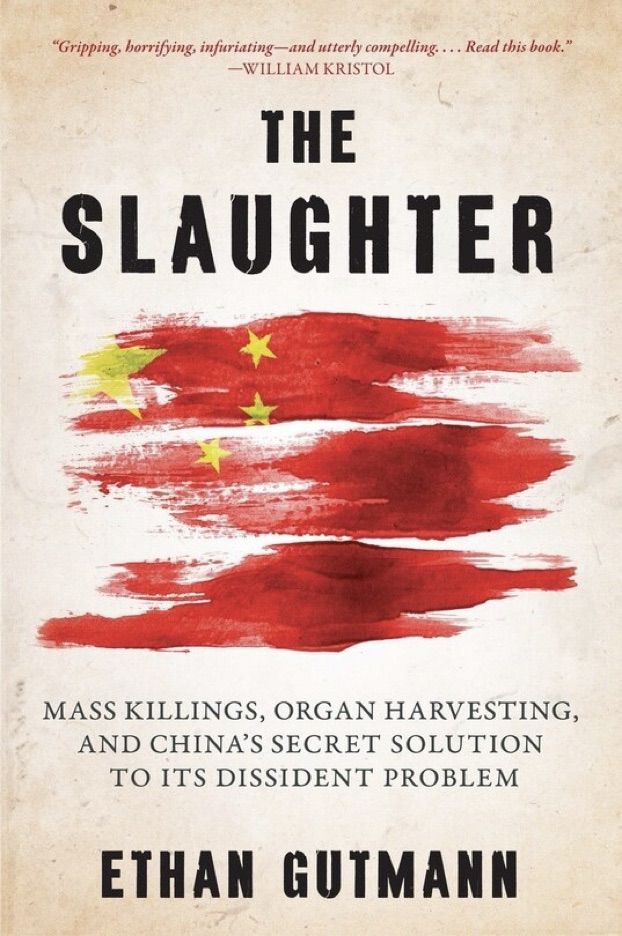
I found this book by a British China watcher abandoned in the mailroom of our apartment complex. With ‘Organ Harvesting’ in the subtitle I thought it might interest me. The first chapter describes gruesome executions of the ethnic Uyghur Muslims of Xinjiang province to retrieve organs for transplantation. The next chapters detail the history of Falon gong, a quasi-religious practice of exercise and meditation derived from Buddhism with bits of traditional Chinese medicine, Confucianism, and Taoism thrown in. They are proponents of nonviolent pacifism with an emphasis on truthfulness, compassion, and forbearance, hardly threatening tenets to any authorities. It was founded in 1992 by Li Hongzhi who became the hero of the ‘cult’, and it was banned by the Chinese Communist Party in 1999 when it’s domestic practitioners reached an estimated 70 million. The following chapters are devoted to documenting the brutal attempts to eliminate the practice by the Chinese government. It is now practiced around the world, including in Canada, but only secretly in China. Dedicated to it to the point of risking torture and death, thousands of Chinese practitioners openly practiced it and were incarcerated, subjected to very inventive means of torture, and killed by the state apparatchik. One survivor recalled that she was spared because she was blood group AB negative, making her a suitable organ donor for less than 3 % of the population. (Recipients with that blood type can receive organs from any donor.)
By 2002, the battle was in the airwaves with cyber-attacks from both the Communist government and Falon gong leaders. At one time, the latter highjacked state TV stations to announce that the ban was lifted. Foreign communists espionage agents and Falon gong leaders were also hacking, but few western governments got involved.
David Kilgor and David Matis, two Canadian investigators concluded that 41,500 Falon gong practitioners in China were executed for their organs between 2000 and 2005. By the time of the 2008 Beijing Olympics, they and the author put that number at 64,000 Falon gong ‘prisoners of conscious’ murdered for their organs.
In the late 1990s, during a short locum in a small Middle East emirate, I was presented with a healthy Arab youth who had just returned from having a liver transplant somewhere in China a few weeks earlier. Although we trained several Arab transplant hepatologists, none were from that country and his compatriot physicians had no idea how to treat him. I was able to give them some guidance in their care of such patients. As per ethical standards, we never inquired about the donor, although I was vaguely aware of controversies concerning Chinese organ donors, and use of executed criminals as donors for a very profitable international market. How much did that patient or his government pay for that transplant? The legitimate ethical controversy surrounding payment for voluntary donation of a kidney or a liver segment by some poor resident anywhere is never addressed.
In 2012, my wife and I did a three week tour around China. I was naively unaware of even the existence of Falon gong, Uyghur dissidents, and banned House Christians or the controversy about their persecution and frequent use as retail donors of organs in a thriving international marketplace. We were taken to places and events that the government wanted to showcase to the world. But the ‘harvesting’ of organs from executions of innocent people persists and deserves condemnation of the Communist government and the participating doctors by the international community.
Included in this book are several not very helpful photographs and too many foreign names of people and places that no western reader would be able to keep straight.
This is an exhaustively researched, very enlightening documentation of an important aspect of international relations and organ transplantation. Not for everyone, but as a former transplant physician, I appreciated the discussion.
4/5
I found this book by a British China watcher abandoned in the mailroom of our apartment complex. With ‘Organ Harvesting’ in the subtitle I thought it might interest me. The first chapter describes gruesome executions of the ethnic Uyghur Muslims of Xinjiang province to retrieve organs for transplantation. The next chapters detail the history of Falon gong, a quasi-religious practice of exercise and meditation derived from Buddhism with bits of traditional Chinese medicine, Confucianism, and Taoism thrown in. They are proponents of nonviolent pacifism with an emphasis on truthfulness, compassion, and forbearance, hardly threatening tenets to any authorities. It was founded in 1992 by Li Hongzhi who became the hero of the ‘cult’, and it was banned by the Chinese Communist Party in 1999 when it’s domestic practitioners reached an estimated 70 million. The following chapters are devoted to documenting the brutal attempts to eliminate the practice by the Chinese government. It is now practiced around the world, including in Canada, but only secretly in China. Dedicated to it to the point of risking torture and death, thousands of Chinese practitioners openly practiced it and were incarcerated, subjected to very inventive means of torture, and killed by the state apparatchik. One survivor recalled that she was spared because she was blood group AB negative, making her a suitable organ donor for less than 3 % of the population. (Recipients with that blood type can receive organs from any donor.)
By 2002, the battle was in the airwaves with cyber-attacks from both the Communist government and Falon gong leaders. At one time, the latter highjacked state TV stations to announce that the ban was lifted. Foreign communists espionage agents and Falon gong leaders were also hacking, but few western governments got involved.
David Kilgor and David Matis, two Canadian investigators concluded that 41,500 Falon gong practitioners in China were executed for their organs between 2000 and 2005. By the time of the 2008 Beijing Olympics, they and the author put that number at 64,000 Falon gong ‘prisoners of conscious’ murdered for their organs.
In the late 1990s, during a short locum in a small Middle East emirate, I was presented with a healthy Arab youth who had just returned from having a liver transplant somewhere in China a few weeks earlier. Although we trained several Arab transplant hepatologists, none were from that country and his compatriot physicians had no idea how to treat him. I was able to give them some guidance in their care of such patients. As per ethical standards, we never inquired about the donor, although I was vaguely aware of controversies concerning Chinese organ donors, and use of executed criminals as donors for a very profitable international market. How much did that patient or his government pay for that transplant? The legitimate ethical controversy surrounding payment for voluntary donation of a kidney or a liver segment by some poor resident anywhere is never addressed.
In 2012, my wife and I did a three week tour around China. I was naively unaware of even the existence of Falon gong, Uyghur dissidents, and banned House Christians or the controversy about their persecution and frequent use as retail donors of organs in a thriving international marketplace. We were taken to places and events that the government wanted to showcase to the world. But the ‘harvesting’ of organs from executions of innocent people persists and deserves condemnation of the Communist government and the participating doctors by the international community.
Included in this book are several not very helpful photographs and too many foreign names of people and places that no western reader would be able to keep straight.
This is an exhaustively researched, very enlightening documentation of an important aspect of international relations and organ transplantation. Not for everyone, but as a former transplant physician, I appreciated the discussion.
Goodreads suggests that one should analyze what they have read periodically. This is relatively easy for me as all the books I have read and reviewed are on my ThePassionateReader blog, but slotting some into a specific genre proved difficult. Here is how it seems to break down.
I had difficulty classifying several of the novels without going to the library and checking painstakingly what category they were shelved under. For next year, I plan to slot them into categories as I go.
Nonfiction Genres: Sciences- 29 Medical- 10. Biography/Memorir- 12 History/Current Events-12 Philosophy- 2 There is obviously some overlap and arbitrariness to these categories.
Authors: Canadian-15. (Aboriginal- 3) American- 28 British- 6 Icelandic-1 South African-1 Malaysian- 1 There are many who have lived in many countries or whose nationality I have forgotten.
Oldest: David Copperfield. 1850 Newest: Of Time and Turtles. September 19, 2023.
Longest: David Copperfield. 2104 pages Shortest: The Ant Who Needed A Transplant. 23 pages (children’s book)
Format (for those where I recorded it). Hardcover: 29 Paperback: 12 Ebook: 13 Audiobook: 5
The family tree, map, and point-form chronological history at the front of this dramatic family memoir of a large extended East German family makes it easy to follow the events and characters in the book. The author is the U.S.-born daughter of an early escapee from the repressive East German communist state. She married a U.S. army intelligence officer and Holocaust survivor, has lived in numerous countries and at one time in the 80s headed dangerous U.S. army espionage trips into East Germany from West Berlin.
The family members in East Germany and the West were separated with minimal or no communication for 40 years, hence the title. The larger contingent in the east were indoctrinated into Communist doctrine, restricted in everything they did or said, watched constantly, and faced hardships and shortages which were worsened if any of the family tried to escape to the west. Some became teachers of the state dogma and at least one became a guard at the Berlin Wall, with orders to shoot anyone trying to escape. The author does not condemn those who, in a previous lives worked for the Nazis or the East German STASI, nor does she reveal anything about her personal political views except to praise Ronald Regan and George W. Bush. There is nary a word about Trump or Obama. The extent of how well the propaganda of the repressive state was accepted by good ordinary citizens is a stark reminder that we are all susceptible, and we should not condemn ordinary Russians for believing Putin’s lies, nor at least some Americans (and a few Canadians) for believing Trump’s. Most of us probably believe some lies, whether promulgated by politicians, religious leaders, or others.
One cannot read this book without learning what amounts to a brief history of the whole Cold War. When the Soviet Union eventually collapsed along with the Berlin Wall, the late Mikhaïl Gorbachev was hailed as a hero, and the members of the author’s family who were still alive of are able to get together in numerous emotional reunions.
Despite the author’s extensive research and numerous diaries and conversations, some descriptions of the emotions, thoughts, and gestures of the family members must be surmised or inferred and some conversations are probably embellished or paraphrased at least a bit.
This book can alternatively be read as a truly heart-wrenching tragic story of loss and separation or a testament to human determination to endure, survive, and make a difference against incredible odds. For me it is the best history lesson I have read in years.
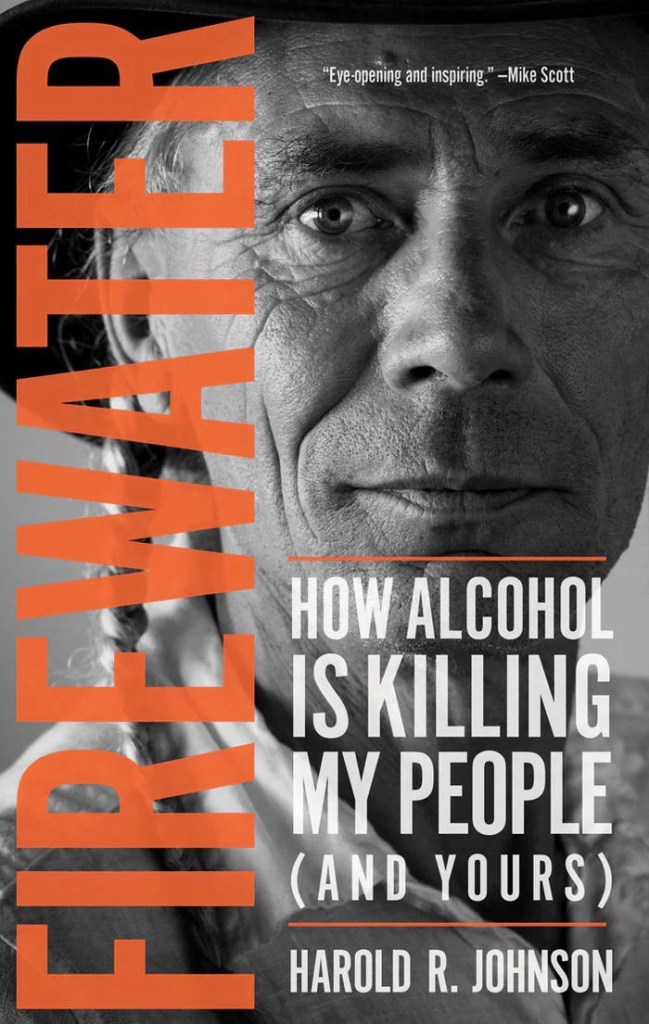
A friend suggested a book by this title, but I am not sure this is the one she intended, as there is another book with the same title by David Williams in his Wilderness series. And yet another book that she may have been referring to is titled Fireweather. (I probably wrote the wrong name down.) In any case, I downloaded this one which is a short confusing narrative by a native Saskatchewan Cree lawyer about the devastation of native people and culture by the white man’s introduction of liquor. He has worked as both a prosecuting attorney and a defence lawyer on the reserves and describes the revolving door appearances of poor, often abused and poorly educated fellow natives in legal trouble, almost always for violent crimes while drunk. He notes the hypocrisy of the judges and prosecutors who condemn all alcohol use in the hearings on the reserves and then have several stiff drinks on the plane back to the city. There is a distinction made between real alcoholics who seldom commit violent crimes and the young binge drinkers who do. While noting the evils of residential schools, displacement of natives from their lands etc. he rejects both the victim explanations, and the medical model which sees alcoholism as a disease and asks his his fellow natives to take responsibility for their own actions and to revive the native customs and culture. That includes their reverence for the land, their old fanciful creation stories and their unity with their deceased ancestors, the land and all of nature. The documentation is intertwined with these native creation stories and the stories that we all tell ourselves about the nature of the world and our place in it. Some of these stories seem to emphasize the bleak insignificance of all life in the grand scheme of nature.
He is very critical of native leaders and white leaders alike: “… the politician looks at the polls and figures out which direction the people are headed and then runs out in front and pretends to be leading.”
While not providing any major lasting solution to the problems created by alcohol abuse in his fellow natives, this author gives readers, whether native or white, an interesting and thoughtful perspective on it.
3/5
Thanks, Jackie.
Describe a man who has positively impacted your life.
Dr. Gerald Klatskin, professor of medicine at Yale in the 1970s is my obvious choice. For three years, I was a fellow in his Liver Study Unit. He was a patient teacher, researcher and friend. We fellows learned early on to never go to his office late in the day (his door was always open) to ask a question as we would be there for hours as he expounded on an answer, with both data and anecdotes.
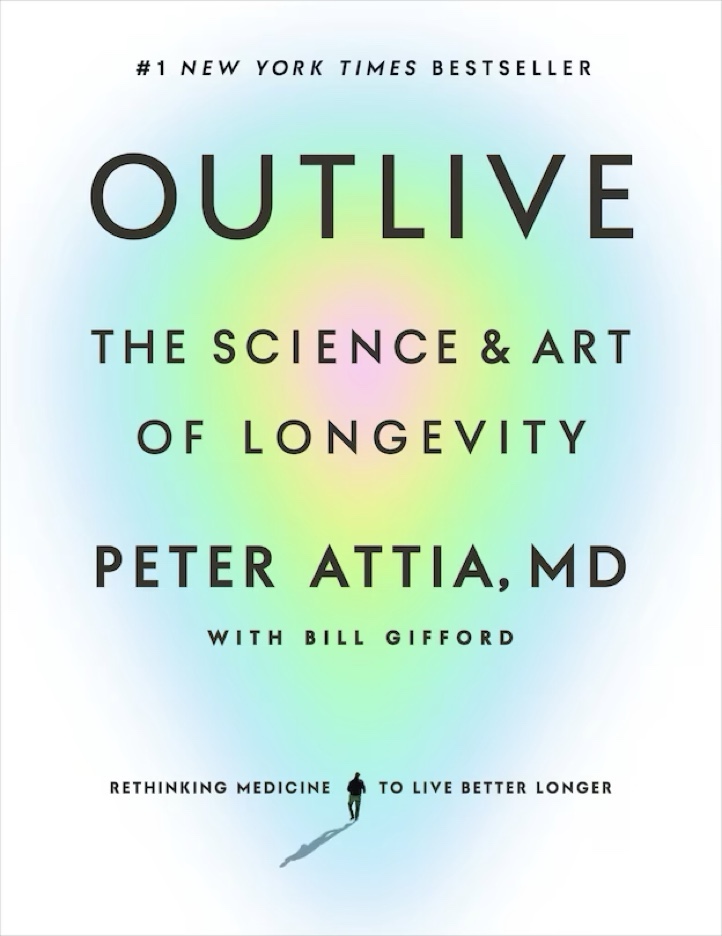
This former oncology surgeon left medicine to work in the world of financial risk assessment for a time, then returned to some form of medical practice and writing. He distinguishes Medicine 1.0, as it was unscientifically practiced until the mid-twentieth century, Medicine 2.0, as it was then practiced until the present, and Medicine 3.0, his particular vision for medicine of the future with a heavy emphasis on prevention, public health, and prolongation of your years of healthy living and shortening of the period of morbidity at the end. These are certainly laudable goals. In a chapter on centenarians, Attia accepts that the record-holder for longevity is 122 year old Jeanne Calment, although some others have asserted that her identity was assumed by her daughter when she died at a much younger age.
In the first half of the book, the modern public heath problems of the metabolic syndrome, heart disease, cancers, and dementia and the physiologic mechanisms underlying them are discussed in great detail, perhaps too much detail for some readers.
In discussion of his goals in light of the recent rising rates of obesity, diabetes, hypertension, and nonalcoholic fatty liver disease, constituting the metabolic syndrome, he identifies rapamycin and metformin, as possibly geroprotective, i.e., increasing ones healthspan into old age. The discussion of this syndrome does not credit my former fellow trainee at Yale, Dr. Denis Miller, whose forgotten paper in the mid 1970s was one of the first to describe many of its features. Typically, as a young surgeon on opening an abdomen and finding a cirrhotic liver, the author assumes that the patient must be a heavy drinker, apparently unaware of the many other causes of cirrhosis, including nonalcoholic steatohepatitis (fatty liver) from this metabolic syndrome. He sees a case of our modern evolutionary adaptations being too slow to accommodate our modern dietary and environmental changes in our loss of the enzyme uricase long ago when we did not need it, leading to hypertension and obesity from modern excess fructose ingestion. Attia goes all out in advocating for early, extensive and frequent screening with expensive blood tests and frequent imaging studies to detect the early stages of this metabolic syndrome. His advocacy for screening for almost all cancers is even more extreme. I cannot argue with a former oncology surgeon on such matters, but my hunch is that some screening such as testing for the calculated derivatives of the PSA for prostate cancer, full body MRI screening for all adults, and more frequent screening colonoscopies beginning at a younger age will find a lot of “incidentalomas” that do not need to be treated, and tip the risk/benefit balance toward if not fully into interventions that do more harm than good. Most older men die with prostate cancer, not of it. The relationship between sun exposure and skin melanoma development is weak and far less straightforward than is presented here and we need some sun to produce adequate levels of vitamin D if our diets are deficient in it.
Although the author downplays the contribution of genes to the development of atherosclerosis, he then advocates testing everyone for the ApoE gene variants, the lipoprotein LDL concentration of cholesterol, and for the LD(a) lipoprotein, although he admits that there is nothing that can currently be done to alter the concentration of the latter. Why test for a factor that you cannot alter? The routine expensive imaging of hearts for coronary calcification with exposure to ionizing radiation that he advocates also seems to me to be of unproven benefit. He has exposed himself to three CT angiograms with not just ionizing radiation but iodinated dye and considerable expense purely to relieve his anxiety about the possibility of dying a sudden cardiac death, a common occurrence in his family. In the section of exercise he also advocates measuring bone mineral density every year on all of his patients, exposing them to an admittedly small doses of ionizing radiation. The greatest dangers of spending a lot of time and energy trying to fend off a sudden cardiac demise are, it seems to me, increasing anxiety and the increasing time toward your end in declining health, something he strives to avoid, and decreasing the enjoyment of whatever time is left to us. We all must go and there are worse ways to exit than to drop dead doing something you enjoy, at least if your will is kept up to date.
In the second half, Attia and Gilford offer many helpful suggestions to deal with these modern problems, including exercise, sleep, nutritional regimens, and means of maintaining good mental health.
I came to appreciate the huge benefits of regular exercise in my seventies, after a scary bout of meningitis from early disseminated Lyme disease left me with an unsteady gait and brain fog. However, one day recently I returned from my daily routine workout at the well-equipped gym in our apartment complex only to discover that my routine was all wrong according to this self-styled expert on everything. But I am not about to change in any major way from what my exercise guru marathon-running daughter taught me. Nor am I likely to ever measure my VO2 Max with fancy machinery, buy a lactate meter or implant a Continuous Glucose Monitor as the author does and advocates for all adults. I am always disappointed with the low numbers of calories I have burned on the elliptical or the recumbent bike, barely even enough to allow me an extra butter tart, and many fewer than my ancestors would burn in a day of hard farm labour. My lactate meter is just the degree of muscle pain as I exercise. And I certainly will not be doing toe yoga, nor taking selfies at the gym to figure out what I am doing wrong, as advocated here. Somehow I have been breathing successfully for more than 78 years without the five pages of advice that Attia provides on how to do it properly.
In the chapter on nutritional biochemistry Attia is skeptical about much of the published literature and advice, and I have to agree with him. In some ways it reminded me of Gabriel Mate’s The Myth of Normal, Max Lagavere’s Genius Foods, Robert Lustig’s Fat Chance, and Helen Bishop McDonald’s The Big Fat Misunderstanding. However, apart from insisting on adequate quality protein intake to maintain muscle mass, he is less dogmatic in the advice in this chapter unlike the aforementioned authors.
The discussion of the importance of adequate sleep covers not only the health benefits but strategies and tactics that are helpful in assessing and improving one’s sleep hygiene. These are dealt with in more detail in Matthew Walker’s Why We Sleep.
In a book about living longer and better and avoiding premature deaths, it is a big oversight to never dwell on two big killers of young Americans – the opioid epidemic that kills more than 100,000 Americans each year, and the unique American gun culture which killed more than 40,000 in 2022. He does provide some interesting advice on how to reduce deaths in motor vehicle accidents which amounted to about 42,000 in 2022.
In the final chapter, on mental health, Attia relates his personal struggles with suicidal depression, and self-loathing which he relates to childhood abuse. He also discusses his own ways of dealing with this including two inpatient stays, frequent psychotherapy sessions and at least occasional use of the psychedelic drugs MDMA and psilocybin that Michael Pollan advocates in How To Change Your Mind. I hesitate to break the Goldwater Rule and attach a psychiatric diagnosis to someone I have never met, but I would bet more than equal odds that the writer fulfills DSM-5 criteria for OCD.
In places, the advice doled out in this book is more in keeping with what one would expect from a life coach or a personal trainer than from a medical practitioner. Still, suggesting a boxing workout to treat/delay the cognitive decline accompanying Parkinson’s Disease is not something I would expect from any doctor or trainer who should know about the high risk of developing dementia pugilistica which that “sport” produces.
Having been indoctrinated into and having worked in the world of what Attia calls Medicine 2.0 treating people with established disease, (although I did incorporate what preventive measures I could with vaccinations and counselling), I had difficulty with some of the basic premises of the approach that this book presents. In thinking about this, my concerns boil down to three: the economics, the generalizability and the blame game. The costs that extra prevention regimes entail might be offset by decreasing needs for treatment of established diseases such as diabetes, heart attacks, or orthopedic treatment of broken bones, but this would apply to only or mainly in rich western countries. A youth in Nigeria will be unlikely to afford MRI scans, a gym membership, or a healthy diet. Finally, if I spend the last few years of my life drooling in diapers in the locked ward of a nursing home, unaware of my surroundings, Attia could blame me for not following his detailed prevention schemes. Such ‘blame the victim’ attitudes are cruel and unjustified and ignore the major role that chance usually plays in determining how long and how well we live.
Having been very critical in this review, I feel obliged to acknowledge that this book provides a ton of good advice, an interesting and unique perspective that should be taken seriously, and the results of a lot of research. I kinda, sorta enjoyed reading it.
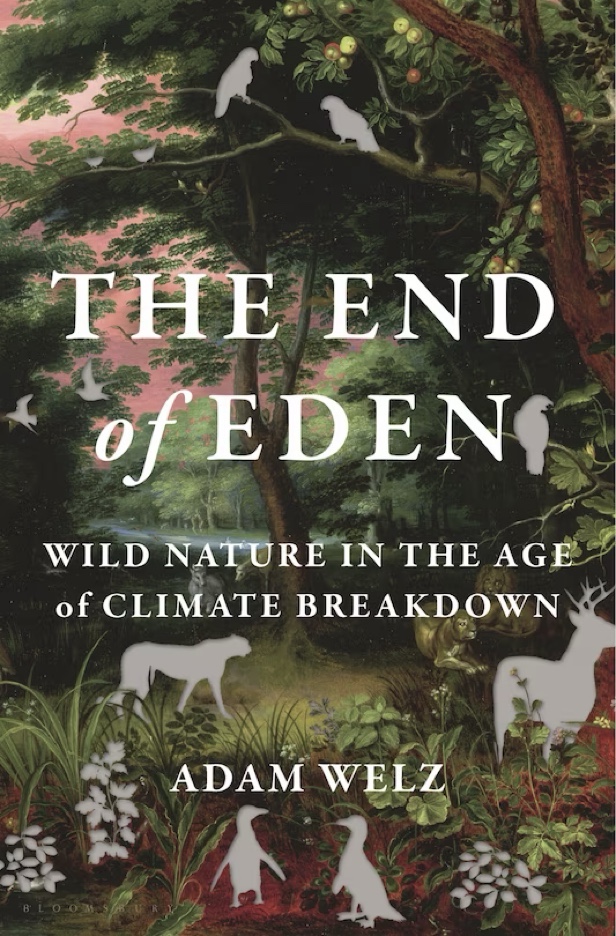
This South African globe-trotting naturalist has produced a very readable documentation of the dramatic and devastating effects of climate breakdown on plant and animal life around the globe.
Basic principles of physics, chemistry, thermodynamics, ecology, physiology, and a bit of meteorology at the undergraduate or even high school level are presented in Chapter 1 as a background refresher.
The most frightening revelation in the ensuing chapter on plagues and diseases is the release of dormant but still infectious viruses and bacterial spores, including anthrax, that are millions of years old, from melting Arctic permafrost carcasses. They are now decimating Norwegian reindeer populations and may introduce new/very old pathogens to other species including humans. This prospect may challenge future epidemiologists. Will the next human pandemic come from a permafrost cadaver? Smallpox?
The increasingly frequency and severity of storms, droughts, and floods, and pollution of the whole ecosystem are all well known, but they are made vivid by the author’s visits to such places as New York City in the aftermath of Hurricane Sandy, the interior of Australia following the record fires of 2019-20, the bleached coral reefs of the Great Barrier Reef and, closer to his home, the loss of hundreds of species of plants in the Cape Floral Region of South Africa due to warming and drying of the air. The marvels of how all species of plants and animals are able to adapt, changing diets, migration routes, and their interactions with other species never cease to amaze me, and some remarkable such feats are discussed here. But those changes do have their limits, dependent as they are, in part at least, on genetic alterations that occur only over thousands of generations and cannot keep up to the rate of change in the environment that we have brought about. Some species such as the American Barn Swallow have become different subspecies because of widening differences in the climate in their winter and summer homes. Since life on earth began 3.7 billion years ago, change and adaptation to the environment has been, but only in the last 200,000- 300,00 years has Homo sapiens emerged as by far the most dangerous, destructive global invasive species threatening the survival of all life forms.
I read one paragraph several times and concluded that the author switched the words “male” and “female” in error in this passage. “Aromatase becomes more active at higher temperatures, converting most of the testosterone in the eggs [of Australian green turtles] into estrogen. Thus eggs incubated at higher temperatures become male, cool nests produce females…..” The facts are that now, in a warming environment, there are far more female than male hatchlings.
The Conclusion is mainly a discussion of how the research and documentation of the extent of man-made climate breakdown has effected the author personally and psychologically and his plea to readers to redouble efforts to do whatever we can to halt what he sees as ever-increasing destruction of life of all forms on earth. Despairingly he comments that “It’s profoundly alienating to carry and communicate important knowledge that people around you won’t act on – and that even you struggle to act on, because you must make a living in an economy whose regular operation causes the problem you’ve identified. To survive, you must make things worse.”
This is a sobering, informative, and important book. In a way it is an updated, more detailed environmental treatise like Rachael Carson’s Silent Spring , with less emphasis on toxic pesticides and insecticides and more on the fossil fuel industry. I won’t say I enjoyed it but I read it with interest and am glad to have had it recommended to me.
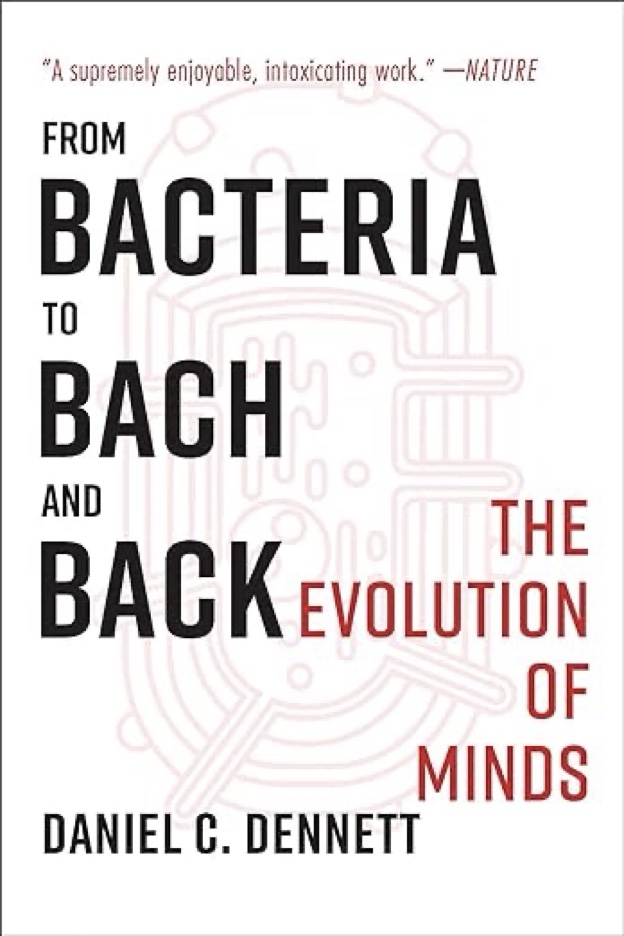
The prodigious Tufts University professor of philosophy is part of the four horsemen of atheist philosophy that includes Sam Harris, Richard Dawkins, and the late Christopher Hitchens. Here he expounds on the circuitous path of evolution that leads to what we call the human mind.
In Part I, the discussion centres on the Darwinian principles of physical evolution of the human brain over millions of years. The driving force of human progress is described as the bottom-up Darwinian evolution of brains over millions of years that act as cranes to produce “intelligent designer” humans. This is the reverse reasoning to that of a God sky hook that came first and created human brains. The author’s emphasis on competence without comprehension, mentioned in numerous places, makes a mockery of attributing anthropological reasoning, knowledge and comprehension to some animals, as in the book What an Owl Knows. An owl or a bat does not need to comprehend or know the physics of echolocation to use it competently in hunting for food.The killdeer does not need to even identify the approaching fox as a predator or comprehend why she deploys the broken wing deception to lead him away from her nest; she just needs to use this deception competently, a process that has been fine-tuned by evolutionary changes in hundreds or thousands of her ancestors; those who did not undergo those mutations were less likely to survive and reproduce. I do not need to understand Faraday’s law to plug in the EV or a tea kettle. Nor does anyone need to understand how the code to operate an elevator was developed to ride one.
Part II is devoted to the more rapid process of cultural evolution with detailed analysis of memes, a word first coined by Richard Dawkins in The Selfish Gene, to describe “ a way of behaving or doing, internal or external that can be transmitted from host to host, by being copied.” This may be an oversimplification of memes, a word subject to broad interpretation, but the details of much of this section, particularly in the chapter What Is Intelligence? werebeyond my comprehension. And the same can be said for much of the whole book, as when, for example Dennett discusses three-wheeled Martian iguanas as an metaphor (I think) for AI. Linguistic hair-splitting is prevalent throughout; nowhere is this more obvious than in the chapter on words, the existence of which some philosophers dispute since they have no mass, consume no energy, have no chemical composition and occupy no physical space, even as those same people use words to make this assertion. Once one goes down that rabbit hole, it seems to me, the whole concept of language and communication becomes meaningless. Is it any wonder that I find the works of most philosophers confusing?
Unlike Sam Harris and Richard Dawkins, but in line with Christopher Hitchens, Dennett tries to reconcile a belief in human free will with his atheistic belief in the absence of an immaterial soul or mind separate from one’s brain, although he seems to waffle a bit in stating that we need to live as though free will exists, even if it doesn’t. If one really adheres to the belief of no free will, a lot of words such as choice, justice, facts, fairness, duty, and morality become meaningless. But in Part III, Dennett strives to reconcile the possible absence of free will with moral responsibility and accountability. The most dogmatic denier of free will of all philosophers was seventeenth century Baruch Spinosa, at least as his writing was later interpreted.
In Part III, evolution of physical and cultural traits are brought together to explore the nature of consciousness, self-awareness and self-analysis in very erudite language with such words as heterophenomenolgy, quale, qualia, and blurt (as a noun), that perhaps someone out there understands but I certainly do not. As an example: “We won’t have a complete science of consciousness until we can align our manifest-image identifications of the sub-personal information structures and events that are causally responsible for generating the details of the user-illusion we take ourselves to operate in.” Duh.
In the last chapter, a fairly easy to understand discussion of machine learning, and AI and the risks to our future that some see in this modern development is presented. Dennett does not predict our extinction by these programmed machines that may exhibit competence exceeding our own in some fields, but without the comprehension that is characteristic of at least some Homo sapiens. I can only hope he is right about this.
One great quote: “A neuron… is always hungry for work; it reaches out exploratory dendritic branches seeking to network with its neighbours in ways that that will be beneficial to it.”
The writing is opaque, dense, erudite, and humourless and while I learned a lot, I only really understood a small fraction of what the author was trying to convey to readers even with rereading portions of it. For a more more understandable and shorter discussion of consciousness and its neurological basis, I would recommend Patricia S. Churchland’s more concise Conscious. The Origins of Moral Intuition.
2.0/5.
Thanks, Harpers.
What are your two favorite things to wear?
Summer: Full chest waders and fishing vest.
Winter: Long johns, lined jeans, lined jacket, balaclava and tall hiking boots.
This New York writer suffers from the peculiar terrifying affliction called sleep paralysis in which the brain becomes alert but the body remains in sleep mode, unable to move for a variable length of time, This book may in part be the product of that bizarre experience which lead him into wanting to know more about how the brain works. He starts with how two anatomists proved, with the death of King Henri II of France, in1559 that countercoup blows to the head can be fatal without any skull fracture or direct injury to the brain by an outside force.
The author approaches the subject matter here very logically, with a build up from individual cells, to how they communicate, to clusters, networks, circuits, columns, specialized areas of the brain and the integrated circuitry of the whole brain, spinal column, and peripheral nerves.
The crossed wiring leading to synesthesia, the phenomenon of seeing sounds, smelling sights, etc, is very well explained. The large number of amputees from the American Civil War lead to intense (but not quite ‘duelling’) debates leading to some enlightenment about the basis of phantom limb sensations such as intense pain or itching. And there are the bizarre documented episodes of phantom penises experiencing erections and ejaculations! The suggestion that foot fetishes occur commonly because the main foot and genital areas represented in the sensory and motor cortex of the brain are adjacent and their wiring may get crossed in a mild form of synesthesia seems intriguing. The bizarre sexual urges of some victims of brain injuries is puzzling, as is the criminal sexual predation apparently ‘caused’ in rare patients by use of the drug L-Dopa, widely used in treating Parkinson’s disease.
The 45 page discussion of the adventures of the rogue American Nobel laureate (who was also a pedophile) D. Carlton Gajduesk in the highlands of New Guinea and his discovery of the misfolded protein causing the now-eradicated Kuru in cannibalistic natives, along with other scientists later extending this line of research to explain scrapie in sheep, mad cow disease in bovines and Creutzfeldt-Jacob disease in humans is clear and fascinating.
The emphasis of the legendary volatile Baltimore neurosurgeon, Harvey Cushing, on the brain’s control over many functions via hormones secreted by the brains southern peninsula, the pituitary gland, was controversial in the early twentieth century but opened up the whole new field of neuroendocrinology. Wilder Penfield, founder of the world-famous Montreal Neurological Institute pioneered surgical treatment of increasing precision in the treatment of epilepsy.
A chapter on memory and recall distinguishes several subtypes, and goes some distance to explain the anatomical bases for them and why our memories are sometimes faulty. Some types of memory loss such as in Wernicke-Korsakoff syndrome are accompanied by confabulations to hide the deficit. From personal experience with such individuals, I can attest to the fact that those confabulations can be very elaborate and convincing.
The discussion of the parts of the brain that are mainly responsible for speech was of particular interest to me since one of my early academic publications as a medical student reported the results of a study I did with my neurologist/teacher, Dr. Andrew Kertesz, on localization of lesions producing speech disorders, differentiating expressive and receptive aphasia in stroke patients, in the late 1960s. In emphasizing the diversity of centres used in language skills, Kean writes “ There’s no neurologic ‘pantry’ where we keep our words.”
Myriad victims of brain injuries have inadvertently contributed in many ways to the advancement of neuroscience and the localization of specialized areas of the brain. Some of those injuries result in beliefs and actions of the victims that make any fairy tale seem realistic. For example, people with Capgras syndrome firmly believe that parts of their bodies or people around them have been replaced by doubles, even denying their own identity in a mirror. Victims with the Cotard delusion are sure that they are dead, even as they chat with the living from beyond the grave.
Kean confronts the issue of free will directly by stating categorically that “Free will is a retrospective illusion, however convincing.” but expands on this in a postscript conversation to say that “…no matter what we do, we’ll always feel like we have free will.” With respect to locating the seat of consciousness in the brain, he writes that “Consciousness isn’t a thing in a place; it’s a process in a population.” In other words, “..consciousness isn’t localized; it emerges only when multiple parts of the brain hum in harmony.”
Some of the most intriguing information about neuroanatomy, neurochemistry, and neuropharmacology and the happenstance history of discoveries in those fields is found in the referenced notes at the end of the main text. I have included those in the the number of pages I calculated. And some of the ‘neurosurgeons’ of the title are nineteenth century grave robbers, barbers, zoologists, and philosophers dabbling in studies of the brain.
I do not understand the mathematical diagrams at the start of each of the twelve chapters and found one obvious typo: “Elliot was a good people.” Not bad for a book of this length.
You do not need to be a neuroscientist nor have any medical background to enjoy this clearly- written, well-illustrated, educational, and humorous discussion of some of the most bizarre thoughts, beliefs, and actions that human beings have ever engaged in. Apt metaphors give the brain attributes of a whole being, including being in error as when the brain thinks that the amputated limb is still functioning as part of the body.
You may snicker with a whiff of schadenfreude (the enjoyment of others misery) as you read this book, but no reader knows what brain ailment may await them to make them the subject of some future brain researcher and perhaps have another peculiar syndrome named after them.
3.5/5
Thanks, BookBub.
Cam
What are your family’s top 3 favorite meals?
I do little of the cooking or baking but my wife makes delicious lentil soup with a variety of other vegetables and some small pieces of beef or chicken added, a great vegetable lasagna, and, believe it or not, great beef tongue with bay leaves and onions. We don’t have deserts,on a daily basis, but I do occasionally bake good Mississippi mud pies and/or sour cream and raisin merengue pies.
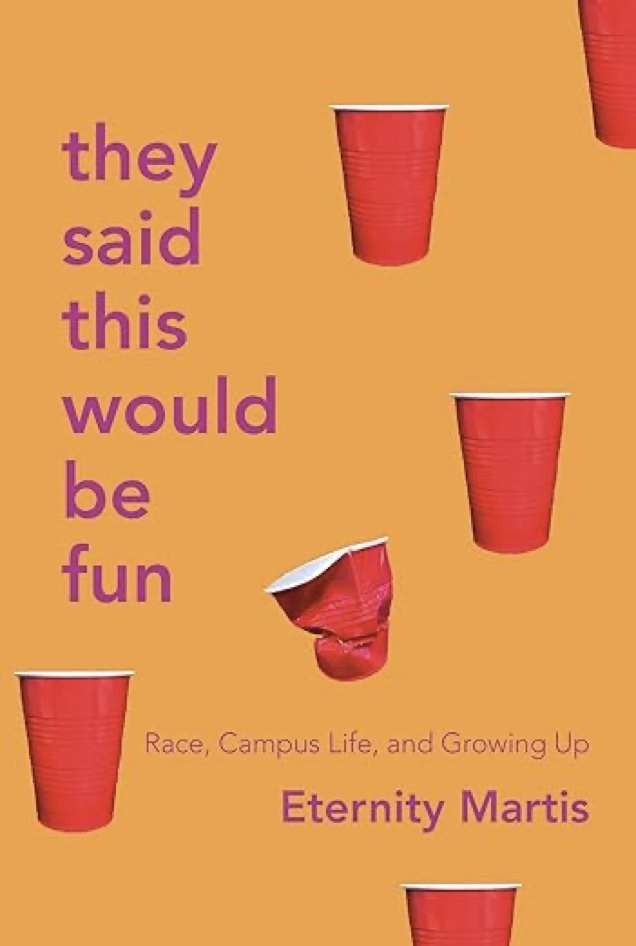
I am not sure where I heard about this memoir by a young black student’s experiences as a student at Western University, from 2010 to 2014. This brought back fond memories of my many years at Western, as a student and later as a faculty member, including the London restaurants, Joe Kools, The Ceeps, Chaucers, and The Barking Frog and the Sydenham-Medway student residences where I lived for one year. She is now a journalist in her home town of Toronto.
Much of the book is devoted to proving that racial discrimination, hatred, and violence is prevalent across Canada, perhaps especially in rich, staid, conservative, WASPy London, and this is certainly adequately documented with examples of individual incidents and data.
The description of the abuse she endured by intimate teenage sexual partners she fell for, demonstrating very poor judgment, is heart-wrenching and goes a way to explain her subsequent dedication to women’s advocacy. Her excessive alcohol consumption at Richmond Row bars to bury her problems in second year, and her subsequent belly pains, is apparently diagnosed by a nurse at Western’s Student Health Services as due to gastritis, seemingly without any laboratory investigation. Why wasn’t the diagnosis of alcoholic pancreatitis considered?
Painting Western as worse and more racist and misogynist than any other Canadian university without citing any experience at any of those other institutions may be true, but is unproven. She apparently does not recognize the irony in Black Londoners organizing ongoing secret Blacks-only segregated meetings at a back room of the Barking Frog bar. How long would such meetings be tolerated if reversed with white folk only meetings in such predominately Black communities as in parts of Detroit or south Chicago?
There is no denying the cruel, unjustified, and pervasive existence of white privilege and racism in Canada and it should be exposed, condemned, and fought vigorously, but this book does not recognize the existence of the majority of white Canadians who do not intentionally discriminate against Blacks. Her complaints about police and security guards profiling Blacks is of a well-known and accepted phenomenon. There is a marked paranoid tone to the writing and rage (which she admits to) and she justifies this rage with questionable racist motivations she attributes to some white peoples’ words and actions. Hanlon’s razor states something to the effect that one should never invoke malice to explain that which can be adequately attributed to stupidity (or incompetence); this author certainly does not follow that advice. It would be neither ‘woke’ nor politically correct for me to suggest that her own insecurity and Toronto childhood experiences with a largely absent, unhelpful father contributed to her interpretation of some personal comments and encounters as racial slurs, when they were not meant as such, but I have never been accused of being ‘woke’ or politically correct, and the thought did occur to me. For example, when she was dining out with her light-skinned Irish-Pakistani mother, she takes offence when the server asks if they want separate bills. She admits to childhood self-hatred because of her colour, being the dark-skinned offspring of a Jamaican father.
As a privileged white male, when I finished reading this rant, I wondered what actions or words I could possibly use to try to befriend a Black person of any gender that could not be twisted into a racial slur by someone determined to do so. But we white folk also need to fully educate ourselves about what others may consider to be racial slurs or actions. Yet I have somehow become good friends with a wide variety of people of various origins and with widely varied amounts of melanin in their shin. Perhaps they are either less attuned to finding racial slurs in the conversations with white folk than this author, or more willing to forgive and forget them. This is a problem that may perpetuate distancing our white selves from people of colour by making us reluctant to try to befriend them or say anything to them lest it be misinterpreted as displaying racism. Na Nehisi Coates, the black activist and writer is perhaps the poster child of those seemingly determined to use the race card to win any debate about any issue. As the saying goes “If all you have is a hammer, everything begins to appear to look like a nail.”
I cannot conscientiously recommend this book, but I am glad I read it, if only to give it a negative review.
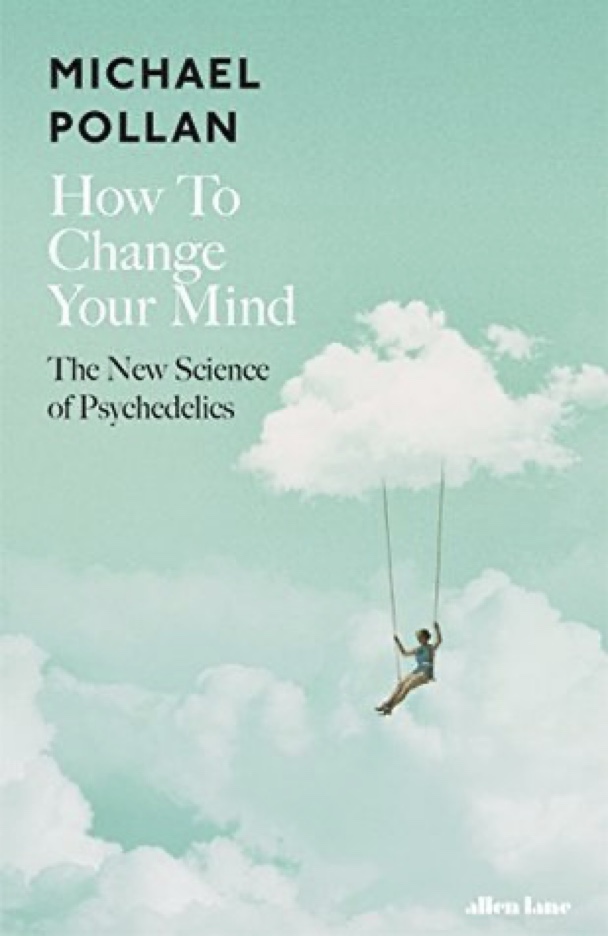
I usually avoid books whose titles feature “How to” as they tend to either promote simplistic generalizations or complicated instructions that I cannot possibly follow. However, an acquaintance recommended this science-based very erudite neurochemistry discussion and I previously somewhat enjoyed Pollan’s This Is Your Mind On Plants, with some reservations. At the heart of this one is detailed discussion of the mysticism and life-changing experiences of people under the influence of psychedelic drugs. But much of this is confined to controlled experiments under medical supervision, unlike the experiences reported in the 1960s before most such drugs were banned (in the U.S. in 1970). It is not confined to experimental treatment for defined illnesses, but also as a life-enhancing additive for normal people, if such creatures exist.
Of the seven chapters, the first three deal with the long and almost universal history of use of ‘trips’ including meditation, shamans, and psychedelics in religious rites and various ceremonies. This included widespread uncontrolled use of magic mushrooms, and various other mind-altering drugs before they proliferated in the counterculture of 1960s America. They were studied by the CIA, as possibly useful for mentally traumatized soldiers and as chemical weapons. This discussion of their effects on many notable people includes Aldous Huxley, Ethyl Kennedy, wife of RFK, Carey Grant, Dylan Thomas, and Alan Ginsberg. The Canadian psychiatrist and mystic, Dr. Richard Maurice Bucke, in London, Ontario in the 1890s with Walt Whitman promoted the zany theory of ‘cosmic consciousness’ as documented in in the biography of Bucke by my late colleague, Dr. Peter Rechnitzer. Later the notorious doctors Humphrey Osmond and Abram Hoffer treated patients with a wide variety of mental illnesses with LSD in the small Saskatchewan town of Weyburn in the 1950s. With the advances in neurochemistry and neuropharmacology, the concept of cosmic consciousness no longer seems so crazy.
“People feel they have been let in on a deep secret of the universe, and they cannot be shaken from that conviction.”
The chapter detailing the author’s personal trips (purely in the interest of science, of course) on LSD, psilocybin derived from mushrooms a bizarre molecule called 5-MeOT-DMT from the poison glands of a rare toad and plant-derived ayahusasca make fascinating reading, as do the following chapters on what is known and not yet known about the neurochemistry and the modern use of such drugs for treatment of addictions, schizophrenia and depression. The default mode network in the brain with its controlling ego or self as the centre of consciousness and its dissolution under the influence of psychedelics resulting in broadening of neuronal connections was an entirely new and intriguing concept to me.
It is not necessary to believe in any religion or an afterlife to benefit from the the ‘spiritual’ experience of a psychedelic trip. The author is a firm agnostic as are many trippers, even as they describe the experience as a spiritual journey to meet with God or become one with the whole universe. But the word spiritual has become so vague as to be almost meaningless.
It seems to me that there are linguistic inadequacies in describing the complex effects of psychedelic drugs just as there are in explaining the complex interconnectedness of everything in nature, but I have never felt the need for a boost from a drug to be totally awed by this “Oneness”. The documentation that plants, animals, and insects possess something akin to our decision-making consciousness leaves me in awe whenever I think of them. Pollan avoids any detailed discussion of whether or not we have minds capable of making decisions separate from our chemically-wired brains, but it seems clear that he does not. And he wisely points out that enthusiasm for any new therapy usually wanes as it is used in broader contexts.
In describing the experience of people getting high on mushrooms: “Even the most secular among them, come away from their journeys convinced there exists something that transcends a material understanding of reality: some sort of ‘Beyond’.
Two other good quotes:
“Our brains are prediction machines optimized by experience…”
“There is an infinite time to be dead.”
This is a carefully researched exposition of the purported modern medicinal benefits of use of a variety of psychedelic compounds. It also details the long history of their use in many cultures before they were hijacked by the 1960s counterculture, then banned and driven underground by an inept FDA in 1970. I am convinced that they have legitimate uses in modern medical practice, but, perhaps because of their condemnation until recently, have never been tempted to take even one dose of any of them. The etherial and spiritual descriptions of their effects is totally foreign to my linear and concrete ways of thinking and the dependence of their effects on the setting and expectations defies explanation other than, at least in part, as placebo effects. But if I am given enough warning about my approaching expiry date, I might be tempted to take a high dose of pure psilocybin as one of its reported effects in 80 percent of dying cancer patients is a complete and lasting loss of the existential distress of knowing you are about to die. However, I would much prefer to be given no such advance notice and be struck by a meteorite or shot in the head by a mistaken jealous husband- when I am over 95.
Longer, but with a much broader international perspective than his earlier book on mind-altering compounds, this is a much better book. I learned a lot.


 The Passionate Reader