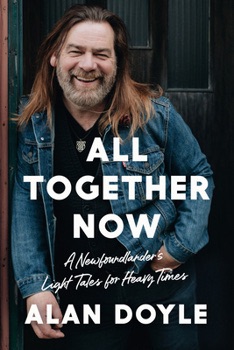
This light read by the Neufie musician, actor, and writer is filled with humour that is could only come from a true Newfoundlander. The stories of his adventures as he travels the world as front man for the famous band The Great Big Sea, seem to surprise him as much as they entertain readers.
Some of the episodes get serious such as when he shares his thoughts on parenting. He seems to have a bit of the imposter syndrome and is stunned and awed by the famous musicians and Hollywood actors and musicians whom he meets and befriends, including Anne Murray and Russel Crowe.
A great reprieve if you have been reading heady stuff lately as I have.
This is the first nonfiction work by the Indianapolis author of several novels, including the best-selling The Fault in Our Stars. He is also a self-confessed depressive and suffers from obsessive-compulsive disorder.
In the first few chapters, he details how tuberculosis was viewed in the Middle Ages, including as an enhancer of feminine beauty, via weight loss and pallor, or as a stigmatized spiritual punishment. It was also regarded as a gift of the talented poets, writers and musicians, many of whom died of tuberculosis in their youth.
Following the discovery of the responsible bacillus by the disgraced Dr. Koch, attitudes changed slowly, but there was little effective treatment and a lot of ineffective treatment recommendations, until the late 1940s.
Much of the later part of the book concerns the continuing inequality of modern treatments in the era of multidrug resistance, and the huge toll that tuberculosis continues to extract in many countries, still killing more than a million people per year. The difficult choices of where to invest in health care include a Chilean physician who had to chose between feeding four thousand starving Haitians and developing treatment for multidrug resistant T.B. at home. Such difficult choices about the »social determinants of health » feature prominently in much of the book.
This is a very intelligent and thoughtful detailed analysis with bundles of information, and an interesting global and very human perspective. It is written in simple language that almost anyone should be able to understand. I am going to recommend it for our book club’s discussion.
This book by a peripatetic Miami journalist is by far the most informative nonfiction that I have read this year so far. Wide-ranging and scholarly, (31 pages of Notes and Index) he traces the. dismal history of the environmental movement from its beginnings to 2025. Much of it concerns the work of the brilliant and abrasive Princeton enviromental lawyer, Tim Searchinger, and his frequently counter-intuitive but factual science.
The farm subsides throughout the world are thoroughly trashed as is the biofuel industry. There is throughout detailed science that includes the regenerative farming movement with all of its limitations, and the start-ups that include genetically modified crops, vegan fads, meat substitutes derived from meat or plants, fertilizers, deforestation, methane production from belching and farting cattle and efforts to scientifically increase the efficiency of photosynthesis.
The perspective is global and although the science is erudite, most of it should be understandable by anyone with a high school education.
I occasionally volunteer at a small ecofriendly regenerative farm and was a bit surprised by the limited impact he claims this movement could have, but the science seems irrefutable. That land is not free is a recurring theme, making efforts to increase yields of crops mandatory, while decreasing farm acreage and increasing forested land cover.
«The key, as always, will be to get the incentives right- so farmers can make more money, by making more food with less land: forests are worth more standing, and storing carbon than logged and burned… »
Much of the book seems like a doom and gloom documentary, but he ends up with some optimism and a plea for each of us to do our part.
The action takes place entirely in June and July 2019, except for the dragged out last 27 pages which extend to March, 2022.
The dysfunctional family is a stable frequent feature of many novels, and this thriller is certainly no exception. A immature 16 year old with a narcissistic mother marries, her mother’s lover, a pedophile almost three times her age who then abuses their daughters. Then she meets a feminist podcaster who was born on the same day as her in the same hospital. They begin a series of podcasts about her experiences, hiding the fact that the podcaster is herself married to an intermittent binge drinker and a cocaine addict. From there, it gets even weirder and more unrealistic. Faithful to the title, readers are made to feel compassion for the apparent victim until much later when she is shown to be a serial lier and murderer in disguise.
There is endless emotional turmoil and none of the characters are remotely normal.
I have not read any of this London, England’s other 21 books nor am I likely to.
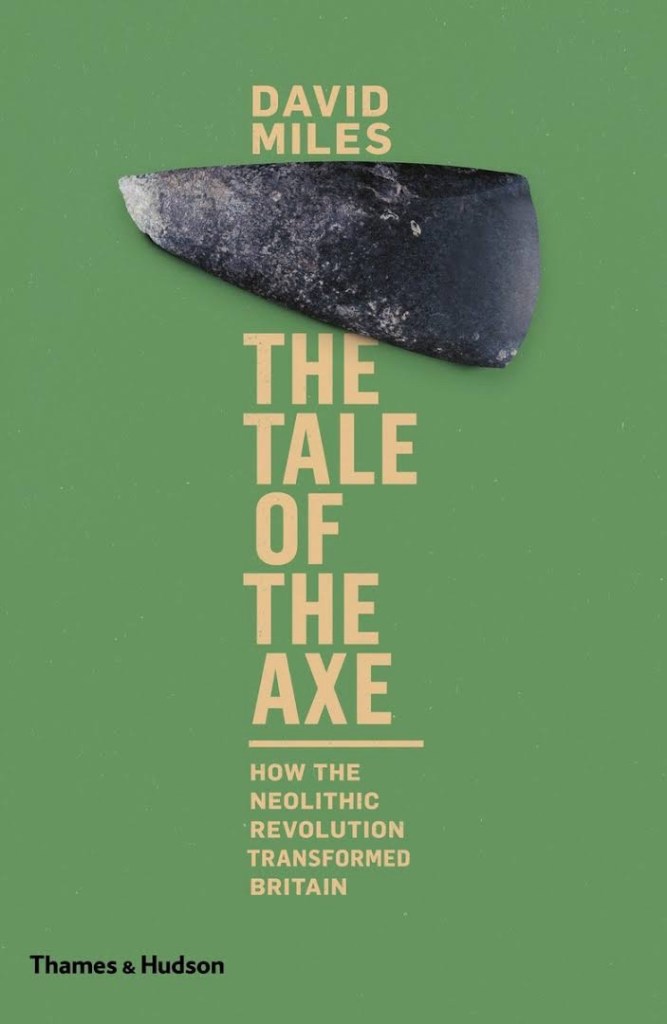
I seldom give up on a book once I have started into it, but I came close with this one. Supposedly about Britain, the Neolithic era and ancient axes it is humourless, and meanders from the earliest hominids around the world, from archaeologic axes to diets, boats, funeral rites and mystical religious beliefs. It takes 160 pages to get to Britain, and then initially several hundred thousand years before the Neolithic era (approx. 17000 to 7000 BCE), at a time when Britain was not an island. In the first two parts readers are introduced to prehistoric cultures over a vast time frame and from many parts of Europe, Asia and Africa. Chapters include discussion of cannibalism, pollens, antlers, wild and domesticated plants and animals, and geological formations, with names of places, different types of stones, and archeological controversies that are confusing and of little interest to me.
I had to take a break to refresh my memory of the mechanics and reliability of radioisotope dating of different materials, with an internet search, a scientific method referred to extensively but never explained. My eyelids frequently interfered with my reading and then I would lose my place and reread several paragraphs before discovering the error.
The author seems to assume an intricate knowledge of not only British but worldwide geology with more stone types than I could keep track of. I’ll admit to learning a significant amount about the gradual transition of peoples around the world from hunter-gatherer societies to a farming way of life. Some of the farming thousands of years ago reminded me of my childhood on a family farm, laboriously picking stones off cultivated fields, but never identifying what type of stones they were.
The diagrams and maps are generally confusing although the photographs of some cites are interesting.
The 14 page Epigraph goes a little way to redeem this hopelessly disjointed and detailed book. In it the author discusses modern dilemmas, disagrees with Yuval Noah Harari and Jared Diamond about the domestication of plants and animals, disparages industrial farming and enslavement of animals, and touches on the challenge of climate change. But it has nothing to do with Axes or Britain.
This book represents a failure of the author to identify a target audience, if there is one. The only one I can think of is perhaps a few dedicated archeologists, who could use it as a reference.
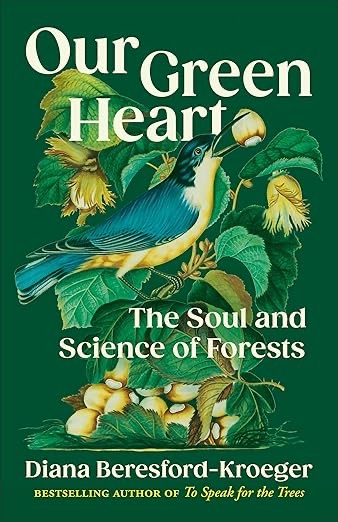
This book by a local (Merrickville area) tree specialist of Irish descent, is divided into 30 short chapters, all related to the remarkable biology of trees. From the ucalyptus trees that in are in danger of spontaneous combustion starting forest fires in California to the remarkable sounds of trees emitted below the frequency we can hear, and the communication between and among species, the science is interesting and dense.
The author documents some proven medicinal discoveries of compounds of arboreal origin, but makes outrageous claims, or at least unproven ones for others. This reveals a profound lack of any understanding of medical standards of proof of benefit. Of arboreal aromatic compounds she claims «They stimulate smooth muscles…dilate small arteries…open the lungs to refine breathing…lower blood pressure… inhibit the excess secretion of hydrochloride acid by the stomach… improve the flow dynamics of red blood cell… bring nasal vasoconstriction which makes it more difficult for airborne viruses… to enter respiratory pathways. » Just how does that work? I have no doubt that some of these benefits are real but also no doubt that none of them have been proven in a carefully blinded trial. In several places she claims that various tree products have anti-cancer effects. Tidewater trees « should be a man’s best friend because they hold a solution to prostate cancer. »
The writing is poetic and there is no doubt about the author’s good intentions. But there is also a self-satsified smugness to it. She unabashedly claims to be the first person to publish on tree aerosols. The groundbreaking discoveries of Suzanne Simard relating to fungal tree communication in Finding the Mother Tree are discussed but Simard is never mentioned in the text or cited in the short suggested reading list or the Index.
There is a lot of useful, interesting information in this book, but the lack of acknowledgment of other scholar’s contributions, and unfounded medical claims spoiled the reading for me. I look forward to what others have to say about it at our July book club meeting.
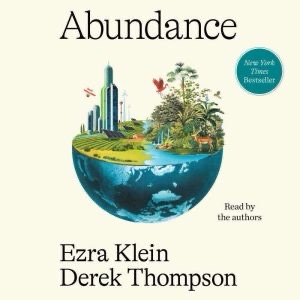
This book by two Brooklyn opinion writers and podcasters is not a bad book, but it is not a great one either.
It starts out with a short unrealistic utopian vision of the world of 2051.
Much of the book is concerned with the possibilites and potental of the U.S. economy to deal with such problems as the housing shortage, the climate crisis, health care, technology, and pandemics, with the emphasis on the inhibiting role of governments at all levels. There is a distinct right wing emphasis on the burden that excessive and often conflicting government regulations play. This is most evident in the contrasting results of the housing problems of California and Texas.
They note in passing that per capita, the U.S. has « twice as many lawyers as Germany and four times as many as France….In 1967 there were three cases per 100,000 directed at enforcing federal laws. By 1976 there were 23. By 2014, there were 40. »
The role of government in working with industry in developing Covid vaccines is appropriately praised, and held up as an example for other innovations particularly in dealing with climate change with a pull rather than a push approach.
This book is very much concentrated on the U.S. with little recognition that other counties even exist. It is dry, humourless, wordy and longer than the above pagination would suggest. In the ebook version there are many duplications of page numbers. The hardcover is 304 pages, not counting the extensive Notes and Index.
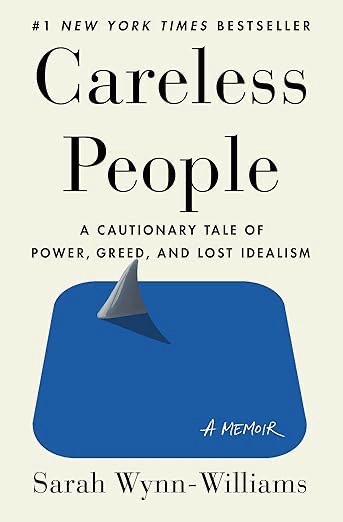
The autobiographical tale of this New Zealand lawyer/UNdiplomat/Facebook executive, is filled with easily anticipated disillusionment and entirely unpredictable personal crises including a nearly fatal childhood shark attack and a equally serious amniotic fluid embolism with her second delivery.
She was idealistic to the point of naivety, and left her job at the UN in 2011 to join Mark Zuckerberg and Cheryl Sandberg as a senior policy advisor at Facebook, hoping to assist in making the world more connected. Attending many conferences of world leaders and billionaires, she arranged many meetings with presidents and prime ministers, on behalf of Zuckerberg.
The unstated goal was always global growth without regard to human rights or morals, working deviously with the Chinese and with fatal consequences for thousands of Malaysians to collect data on their citizens. They planned and launched a program specifically to prey on teenagers susceptibility to emotional insecurity. The annual Davos World Economic Forum farce is seemingly almost entirely a show of power and wealth with no consideration of morals.
Both Mark Zuckerberg and Cheryl Sandberg are portrayed as ruthless amoral workaholics whose demands on underlings bear no relationship to the people described in Cheryl’ s book, Lean In. The author’s complaints about sexual impropriety of a co-worker was ignored and lead to her firing in 2017.
Not a pretty picture of corporate America, and global tech companies, nor anything to instill confidence in any government’s ability to rein in the excesses of the AI-driven tech, this book is timely but quite pessimistic.
I joined Facebook to publicize books for sale and later to publicize my blog of book reviews, (ThePassionateReader. Blog) but delete the vast majority of postings, ads, friend suggestions, videos, etc., which some AI thinks I should look at, without a second thought. Perhaps even this limited engagement is not justified.
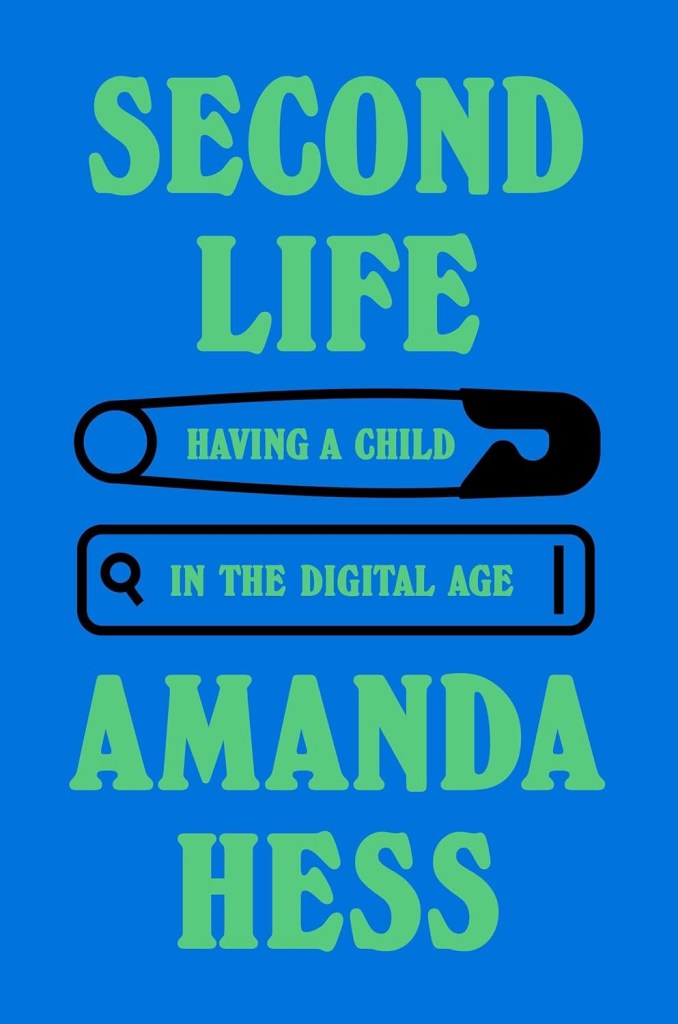
I thought this New York Times writer and critic was going to write about the pros and cons of having a child in modern times. But I was completely wrong. This subject is mentioned only briefly about thirty pages from the end. She has one planned four year old with a peculiar disorder called Beckwith- Wiedmann syndrome born by Caesarian section and one younger one. As the grandfather of a three month old grandson I never expected to have and have not yet met, (he lives 4746 km away) I thought this would be an interesting read. He was also born by C-section.
But this is all about the extremely complex care in modern obstetrics and the sometimes lunatic fringes of home birthing, with their anti-doctor biases, and equally controversial and contradictory advice of so-called experts in parenting. These processes are aided immensely by extensive social networking and so-called influencers, who seldom know what they are taking about.
It seems peculiar to me that the obstetricians at least in the U.S. are now recommending extensive early screening for genetic diseases for everyone, using sampling of fetal cells from the mother’s blood. This is irrespective of whether or not the parents would opt for abortion if serious defects were found. This at a time when access to abortion is being progressively inhibited in the United States. Echoes of eugenics.
I cannot comprehend the complexity of modern child birth nor of child rearing as well as any mother can, and fortunately do not now need to. But this is an informative and easy read, although I suspect it is more applicable to the U.S. than to Canada. I am sure my daughters living there would find it useful.
Written by the Venezuelan/American fellow at the Carnegie Endowment for International Peace before Trump was reelected, I could not help but think that he may now be in danger of being deported back to Venezuela. He is certainly no Trump fan, but the book now feels a little outdated with Trump’s reelection, although many of the devious tricks autocrats use to obtain and maintain power have already been deployed by Trump in the last five months.
He makes extensive use of the acronym 3P autocrats, i. e. those using populism, polarization and post-truth to maintain power.
The author quotes extensively from four books that I quite enjoyed among others: Francis Fukuyama’s The Origins of Political Order, Timothy Snyder’s On Tyranny, and Bill Browder’s Red Alert and Freezing Order.
This is a deeply researched pessimistic screed about global politics that will make many readers and committed small-c democrats despair about the future, the exact opposite of his obvious intention, of making them engage with politics. To be fair, in the penultimate 15 page chapter, he outlines five processes we must use to counteract autocracy, couching all of them in the military term Battles. But I could not think of any of them as actionable on an individual level. In the Afterword, he argues for ranked-choice voting and for wide use of citizen’s juries.
There is little humour and the book is dense with facts. One very apt quote that caught my attention: “ With the practices and institutions that protected society from disinformation in tatters, practitioners of the dark arts of post-truth find themselves kicking penalty shots without a goalkeeper to stand in the way.”
It is perhaps smug, but I take comfort in the fact that Canada is never mentioned in any negative way.
I admire the scholarship, learned a lot, but am left pessimistic without any obvious remédiable action on an individual level. I cannot recommend it except for those with political aspirations, political scientists, or those already wielding political power.
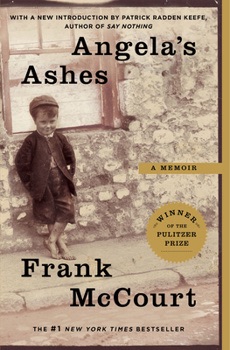
An very embellished memoir of an impoverished childhood in Brooklyn and then back in Limerick, Ireland, during the depression and up to his return to New York in 1949 at age 19.
The poorly educated Irish were opposed to anything English, especially his father who was from the north. Throughout he lived in extreme poverty with a father who drank every cent he made, and he got almost no education. Sexual awakening in his early teens led to some bizarre fantasies and self-gratification, with no understanding of human anatomy, physiology, or reproduction.
The title refers to his mother’s devout practice of placing ashes on the forehead as a Catholic ritual, not cremation, although several children died of mysterious illnesses.
No one captures the unique dialogue and culture of the Irish, the all-pervasive influence of the Catholic Church, and the limited understanding of life of a growing child in the way the late this author does. Ten year old Frank, at his confirmation: “Priests and masters tell us Confirmation means you’re a true soldier of the church and that entitles you to die and be a martyr in case we are invaded by Protestants or Mohammedans or any other class of heathens…. I want to tell them I won’t be able to die for the Faith because I’m already booked to die for Ireland.”
There is a movie based on this book that I have not seen, but my friends are unanimous that it is not as good as the book, which is just beautiful.
The well-known CNN medical reporter and Atlanta nerosurgeon turned novelist, creates a fictional Monday morning closed Morbiity and Mortality conference in which doctors review their mistakes. They are merciless and cruel, with extremely unrealistic characters, and sometimes career -destroying revelations. I have attended many Morbidity and Mortality Rounds and usually the audience is very sympathetic to the doctor who goofed up, thinking that it could have been him or her. I know of no hospital with 60 academic surgeons on staff, nor have I ever heard of someone bleeding to death while undergoing a craniotomy. No hospital would allow someone except in the direst circumstances to go to the O.R. without a history and preoperative laboratory tests, especially not an asymptomatic youth. And all of this takes place in the first 40 pages. It is even more bizarre that the story is said to take place in Chelsea Michigan, a town I have visited, with a population of under 6000, but with a world famous hospital covering six blocks. Some poetic licence!
A surgery resident is able to diagnose pulmonary embolism that had mystified internists, not with a lung scan but with a spiral CT. In Chapter 25, the author’s lies about internists become explicit when he belittles them by claiming that they, unlike surgeons, “Rarely did they cure anyone.” A star neurosurgeon after brain trauma becomes “50 percent of what she once was” but apparently is able to function as a family doctor, including delivering babies.
In Chapter 18, it becomes clear that neither the emergency room doctors at Chelsea General nor the author have any idea what is involved in organ donation, a surprising deficit for a practising neurosurgeon. A heavily tattooed killer is considered for organ donation whereas his elderly victim is not, but is sent right to the morgue. (No one is too old to be a liver donor.)
This is not the only book trumpeting the mythical unique skills of neurosurgeons at the expense of other specialists, witness Gray Matters by Theodore Schwartz, and Sam Kean’s The Tale of the Dueling Neurosurgeons. Then there is the Netflix film series based on this book that I have not and will not watch.
Lest I be perceived as just a jealous internist envious of the praise and awe neurosurgeons get from the public from such writing, I should acknowledge that the author has an engaging writing style and a very vivid imagination.
My advice to Dr. Gupta: “Stick to neurosurgery, give up unrealistically overdramatizing it and stop belittling internal medicine specialists and praising surgeons.”
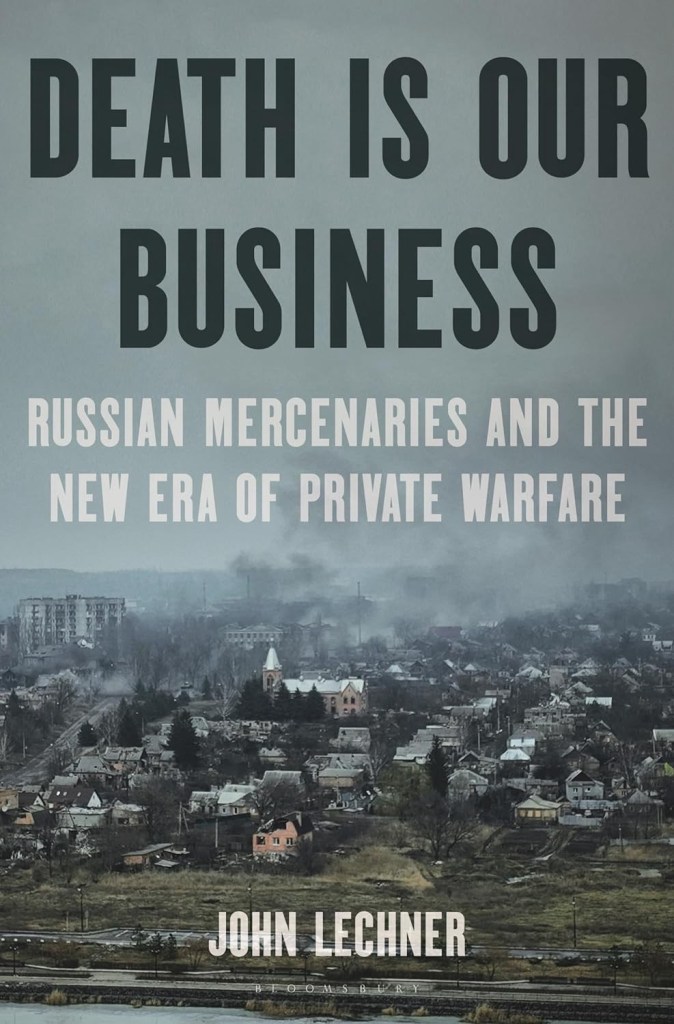
The American journalist and researcher gives a exhaustive account of the dozens of private military forces operative in Eastern Europe and Africa in the early part of this century. I would challenge any non-historian Canadian to recall even a small portion of the names of the hundreds of people and places discussed in the introduction and first chapter (70 pages) with their shifting loyalties and murderous ways.
The main focus of the book is on the Wagner group of paramilitary forces under the direction of Yevgeny Prigozhin which operated in at least a dozen African countries as well as Ukraine before falling foul of the Russian oligarchy. They were and are businessmen as well as private armies that operate at arms length from official armies, often allowing governments, including the U.S. to deny responsibility for their often atrocious actions. Vast sums of money and the international arms trade are at stake, particularly as they exploit Africa’s natural resources.
This is a deeply researched book, involving considerable peril to the author as he travels through war zones and interviews combatants with variable allegiances. It is also discouraging as it documents the tremendous influence of private armies and money quite separate and often at odds with official governmental agencies.
I cannot recommend this erudite book except to those involved in the military, paramilitary or security industries.
The late New York professor of neurology clearly had a knack for the short story. His wide-ranging curiosity for hidden talent in what appeared to be hopeless cases of a wide variety of neurological impairments and his deep humanity shine through in all of his writing. From phantom limbs to autistic artistry he saw the potential benefit in every ailment.
Most of the stories relate to the people he encountered in long term care facilities. The investigations were limited by today,s standards without CT scans or MRI. I was intrigued that he mentions meeting and discussing prosopagnosia with Dr. Andrew Kertez, a professor at Western with whom I researched and co-wrote my first academic paper. I was intrigued by the complexity of temporal lobe seizures that may have contributed to Dostoyevski’s writing talent and Shostakovich’s music. It has been suggested elsewhere that temporal lobe epilepsy caused St. Paul’s sudden conversion.
The most astounding pages relate to the profoundly “retarded” twins with a totally unexplained ability to tell the day of the week for every date for hundreds of years in the past, among other numerical phenomena.
The comparison and contrast of Tourettes’s Syndrome and Korsakoff’s, was confusing to me, but the Korsakoff patients he discusses seemed much more complex than any I ever met.
There are a host of medical terms that most people will not be familiar with, and some hair-splitting differences in terminology that can be confusing, at least to me
The professor of Theology at the Princeton Theological Seminary, provides the most modern and deeply researched treatise into the life of Jesus that I have ever read, even exceeding Richard Rubenstein’s When Jesus Became God. Drawing on many texts that were arbitrarily excluded by the powers who determined what gospels to include in the Bible 200 years after Jesus’s death, she shows
the many contradictions between the ones that were included in third hand accounts from writers, none of whom knew Jesus personally, and wrote many years later. Much of the gospels were written based in part on oral tradition and what had to happen to fulfill Old Testament prophecies.
What emerges is the picture of of a charismatic megalomaniac Jewish rabbi, who speaks in parables, may have been delusional, and is himself conflicted about his role in a troubled world.
There is a lot of debate about who actually condemned Jesus to death in the setting of Roman occupation of Israel, and the details of his crucification.
The resurrection is discussed in detail and the later adoption of the dogma that this was a physical event is seemingly accepted as a real possibility by the author.
The author also clearly believes some of the more etherial and vague stories about Jesus and his vast and continuing impact on the lives of 1/3 of the world’s population, but minimizes the misery and cruelty that has resulted with many wars and cruel Crusades, preferring to emphasize the message of love, help and self-sacrifice. I was therefore not surprised when I recently read about her praise of a variety of clergy who were using various hallucinogens as part of a study to enhance their “spiritual experience”.
I accept that there is a lot more to life than what can be proven by science alone. But I cannot accept dogma that seems to me to me to be clearly impossible scientifically, such as the virgin birth, the resurrection of the physical body, and the transubstantiation of bread and wine into actual body and blood-Jesus must have been completely devoured hundreds of times if that were true. Which body of mine will be resurrected- that of my 20 year old or my current 80 year old? If a cannibal eats me, which body will be resurrected?
An interesting but dry well written very educational read.
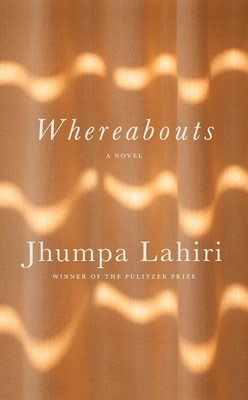
Whereabouts? indeed. And when? There are no answers to these questions in this novel written by the American author of Indian origin. In short chapters of 1-4 pages, she muses about the life she leads as a single young modern woman, with observations of the people around her and the city she lives in most of the time, obviously somewhere in Italy.
The writing is very engaging and her observations and speculation about other people, the city, the weather and everything around her are insightful. There is almost no plot, but it is an easy light read.
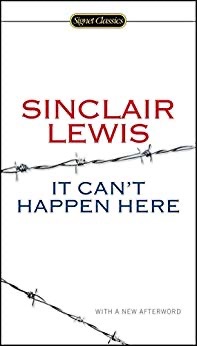
The late American novelist, satirist, and playwright imagines the outcome of the 1936 Presidential election, one year after the book was published. In this cautionary political farce, Berzelius Windrip, a lying, bigoted, openly anti-Semitic, misogynist, racist, ant-immigrant self-serving demagogue Senator wins and proceeds to destroy everything that America once stood for.
In later chapters, Doremus Jessop, a Vermont newspaper man tries to a analyze various forms of government from Russian communism to fascism to socialism and democracy, and seems to come to the conclusion that none of them work. There is a distinct undercurrent of anti-capitalism. Then he does the same thing with various religions.
A police state with forced labour camps develops, but the propaganda’s lies are so convincing that most people come to believe that everyone is better off. An illegal Underground Railroad takes thousands to Canada, and there are threats to invade Canada and Mexico.
The Minute Men volunteers for Windrip morphs into a vicious Gestapo-like Corpo police force to silence any dissent, and they arrest Jessop for writing an anti-Windrip editorial. The universities are consolidated and curriculums are revised to eliminate any philosophy, arts, or true intellectualism.
In the second half of the book, it seems to become less realistic as thousands are summarily executed, two coup-d’état take place and even by 1939, there is no resolution with the country divided by what amounts to a civil war. It is difficult to determine who is a communist, a fascist, or a liberal socialist, as those pejorative terms were then not as rigidly defined as they are today.
This book is prescient with many of the actions then considered impossible and relatable only as fiction now having been enacted by the current, personality cult administration. It remains to be seen how accurate it is.
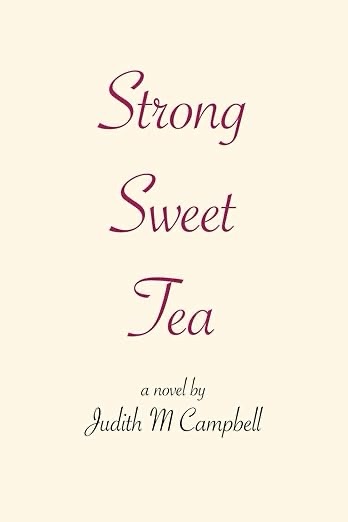
This story of pioneer life in Carlton County in the mid 1800s to 1983 is full of nostalgia and reminiscences. But it is true to the hard lives of the brave Irish Methodists who escaped the Irish potato famine to start a new life in the Ottawa valley and in that sense can be considered as historical fiction. The local scenes with farms around Fitzroy Harbour, Diamond Church, and city life in the Glebe are easy to relate to for any locals. The innovation of using italics to convey the long musings and innermost thoughts of the characters and their conversations is a bit unusual.
Long nebulous musings about the meaning of faith, grace, life and death, and self-doubt, emotional greetings with much hugging and kissing, nostalgia, tears, pubic displays of affection and inability to come to terms with death are very foreign to me, having been raised in a family where such emotionality was absolutely taboo. And the physiologic reactions to those emotions are exaggerated and unrealistic.
Loaned to me by a friend of the author, I cannot recommend this book.
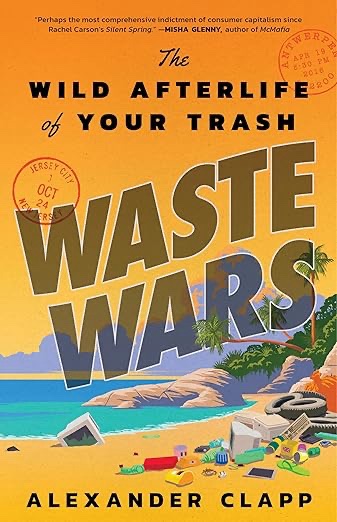
This is a very enlightening but scary, extensively researched book by a Greek journalist. He travels around the world seeking to understand the movement of all kinds of trash from microplastics to monstrous cruise ships that have become outdated.
There seems to be some inconsistency in praising the industry of recycling steel because of its environmental credentials with 1/3 the carbon output of making new steel, while criticizing the huge ship dismantling industry, but the impact of the movement of parts of ships negates most of the benefits.
The hypocrisy of countries banning the importing of trash from rich countries while buying millions of tons of plastics allegedly for recycling is made abundantly clear, while equal hypocrisy is showered on the people by the fossil fuel industry folk always trying to increase sales of plastics.
The dark underworld of the movement of trash, with poor enforcement of laws and almost no inspection of cargo ships for illicit trash is detailed.
I diligently separate my discards into cleaned paper, plastics and metals, and compost, but after reading this gloomy tome I am left to wonder how much that benefits the environment- certainly not as much as the collectors and traders would have me believe. It seems to me that everything is overpackaged in plastic and we should be protesting that. I just ate a cupcake with a silly little gold coloured plastic flower on top of it that may well end up being burned with emission of toxic fumes in a tofu factory in Indonesia.


 The Passionate Reader